Honda and Nissan to Unify Vehicle 'Brain' by 2029 After Merger Talks Collapse
Following the collapse of merger talks, Honda and Nissan are now collaborating on a shared operating system and central vehicle computer. The new technology is expected to appear in production models by 2029. This partnership aims to cut development costs and strengthen their position against rising US and Chinese competition in the software-defined vehicle sector.
Honda and Nissan are charting a new path together. Even as merger discussions were called off, Japan's two automotive heavyweights are now moving toward a more defined collaboration centered on shared software development and a unified operating system for future vehicles. It's a direct strategy to slash development costs and push back against the accelerating competition from US and Chinese rivals.
Japanese reports indicate an agreement could be imminent to develop a common operating system and central vehicle computer. These technologies are slated to appear in new models starting from 2029. Both companies confirmed that talks are still ongoing and no final deal has been officially announced yet — the door remains open.
One Operating System Instead of Two Separate Platforms
The core concept hinges on unifying the software architecture that controls vehicle functions. This approach allows both manufacturers to share the enormous expense required to develop what the industry calls Software-Defined Vehicles (SDVs). The scope is vast: from managing diverse in-car functions to enabling new features through over-the-air updates rather than relying on physical component changes. This philosophy is fundamentally shifting how we think about car ownership and longevity.
A Central 'Brain' for the Car
The potential collaboration isn't limited to the operating system itself. The plan also involves co-developing a centralized computer for the car. That mirrors modern automotive trends of consolidating dozens of separate electronic control units into fewer, high-performance computing hubs. This move helps integrate driving systems, infotainment, connectivity. Advanced driver-assistance into a more streamlined and rapid electronic architecture.
This integration accelerates software updates and future AI-driven functions. Nissan is already working on a platform named “Nissan Scalable Open Software Platform,” which includes a vehicle operating system and cloud-based data architecture. The platform's goal is to enable faster updates and new features, while standardizing how applications interact with various car components. Honda would bring its deep expertise in hybrid systems and safety technologies to enrich this unified framework.
The coming decade presents significant challenges for Japan's top automakers. The collaboration between Honda and Nissan on this sensitive technical front serves as a true test of Japanese resilience in the smart car race — a race where China currently leads with a wave of advanced and more affordable models.
Frequently Asked Questions
2 questions answered
Related News
View All News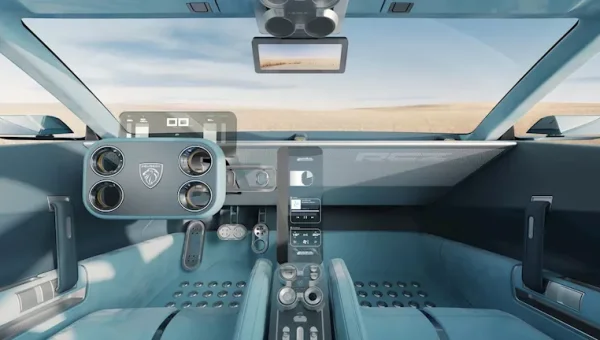
Peugeot Unveils RCZ Vision Concept with Square Steering Wheel
Peugeot has unveiled the RCZ Vision concept car featuring the Hypersquare® steering system with a square wheel and Steer-by-Wire technology. The system eliminates mechanical linkages and offers a maximum steering…

Betty Deploys Hydrogen Injection Tech in 104 Vehicles to Cut Emissions by 20%
Betty, a subsidiary of Almarai, has begun deploying hydrogen injection technology across 104 vehicles in its distribution fleet to reduce emissions by up to 20%. The project is in partnership…
Porsche Explores Manual Feel in EV Era: Patent Reveals Real Gearbox with Electric Motor
Porsche has filed a patent for a mechanical gearbox designed for electric motors, featuring two mechanical gear ratios and a real clutch. The original filing dates back to March 2013,…
Not Fully Electric: What Does the PHEV Badge on Some Cars Really Mean?
PHEV cars are plug-in hybrids that combine a petrol engine with an electric motor and a larger battery than traditional hybrids. They can drive on electricity for a set distance…
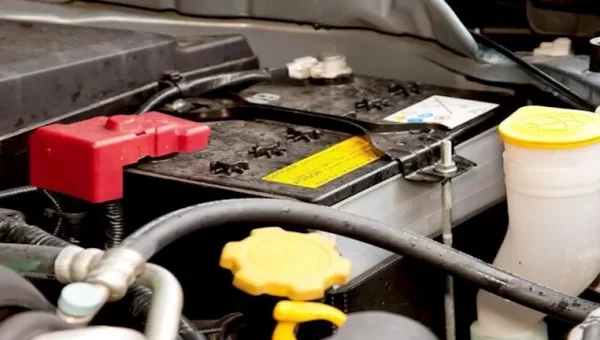
How to Keep Your Car Battery Alive in Winter: 7 Practical Tips to Avoid Breakdowns
Car batteries are affected by cold winter temperatures, reducing their ability to start the engine. Tips include avoiding short trips, reducing electrical loads, cleaning terminals, turning off devices before leaving,…