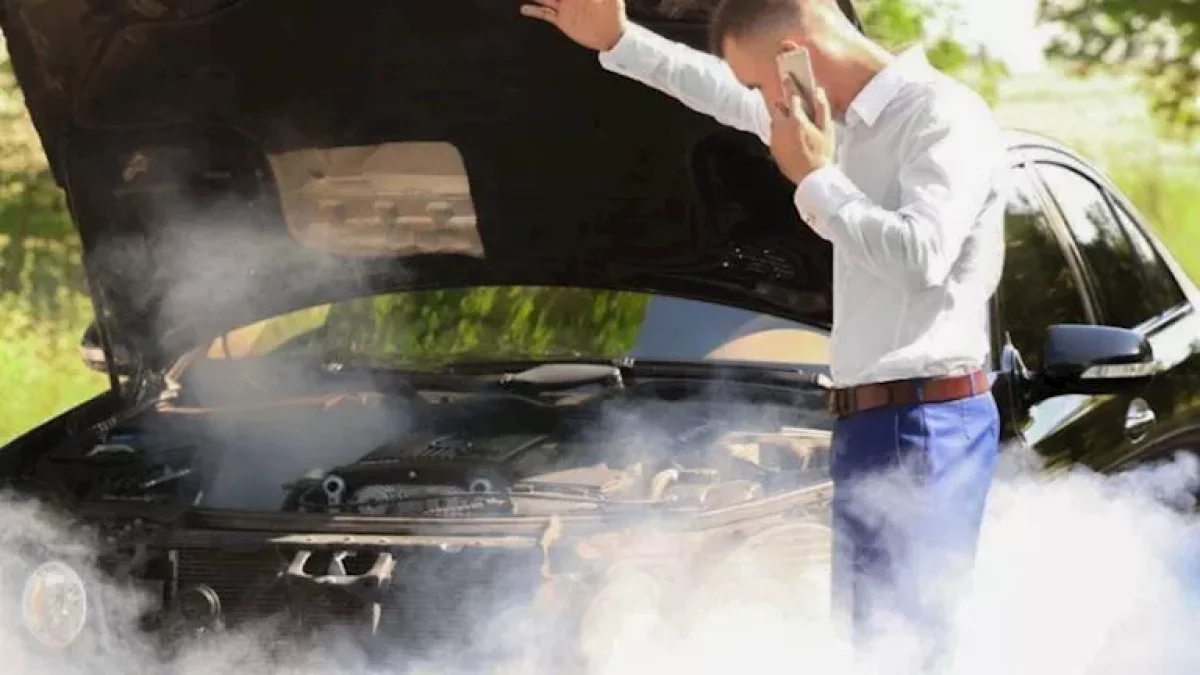
Heatwave Raises the Risk of Engine Overheating: Essential Tips to Protect Your Car
Egypt and several countries around the world are experiencing a heatwave that is affecting daily life while also placing additional stress on vehicles. High temperatures have a direct impact on vehicle performance, with the engine being one of the components most vulnerable to excessive heat. As temperatures continue to rise, the risk of engine overheating increases, potentially leading to expensive mechanical repairs if the issue is not handled correctly. Following preventive maintenance practices is therefore essential to maintain vehicle reliability and reduce the chances of unexpected breakdowns.
Maintain the Cooling System
The cooling system is the engine's primary defense against excessive heat. Drivers should regularly check the coolant level and ensure it remains between the minimum and maximum marks on the reservoir. It is also important to use coolant that matches the manufacturer's specifications rather than relying solely on plain water. In addition, radiator hoses and the radiator itself should be inspected periodically for cracks or leaks, while dirt and debris should be removed from the radiator to help maintain efficient cooling performance.
Check the Cooling Fan and Engine Oil
The radiator cooling fan plays a vital role in controlling engine temperature, especially when the air conditioning system is operating or when driving through heavy traffic. Engine oil is equally important because it reduces friction between internal engine components while also helping dissipate heat. Drivers should therefore follow the recommended engine oil and oil filter replacement intervals and always use the oil grade specified by the vehicle manufacturer.
Adopt Driving Habits That Reduce Heat
Avoiding sudden acceleration and prolonged high-speed driving during extremely hot weather can reduce the load placed on the engine and help prevent excessive temperatures. It is also advisable not to leave the vehicle idling for extended periods, particularly while stopped in traffic, as unnecessary idling can contribute to additional heat buildup inside the engine.
What to Do if the Engine Overheats
If the temperature gauge reaches the red zone or the engine temperature warning light illuminates, the correct response is to stop the vehicle immediately in a safe location and switch off the air conditioning to reduce engine load. After stopping, the engine should be turned off and allowed to cool before any further action is taken. Responding properly to an overheating engine can help minimize the risk of more serious mechanical damage and preserve the vehicle's overall performance.
Related News
View All News
Signs of Spark Plug Failure in Your Car Engine — When to Replace Them
Spark plugs are essential engine components, and their failure causes difficulty starting, engine vibration, poor acceleration, and increased fuel consumption. Other signs include an illuminated check engine light and exhaust…

Your Complete Guide to Maintaining Car Tires as Winter Temperatures Drop
As winter approaches and temperatures fall, car tires need extra care to maintain grip and safety. Regular pressure checks, tread depth inspection, crack monitoring, and wheel alignment are essential steps.…

From Paper to Pavement: Inside the Making of a New Car
Developing a new car begins in the design studio with initial sketches that become a 3D digital model and then a full-size clay model. Engineering teams work in parallel to…

Tesla Drops 'Self-Driving' Name in Europe, Calls It 'Driver Assistant'
Tesla has renamed its 'Autopilot' system to 'Tesla Driver Assistant' in Europe after misleading claims. This change follows legal disputes and a retreat from full self-driving promises. In the U.S.,…

Chery Tiggo 9 CSH Survives Brutal Safety Tests: Saltwater Immersion and Underbody Impacts
Chery conducted extreme safety tests on the Tiggo 9 CSH, including a 24-hour saltwater immersion of its high-voltage battery and an underbody scraping test against a solid obstacle. Results showed…