Experts Explain Gas Leak Concerns in Converted Vehicles and Detail the Safety System
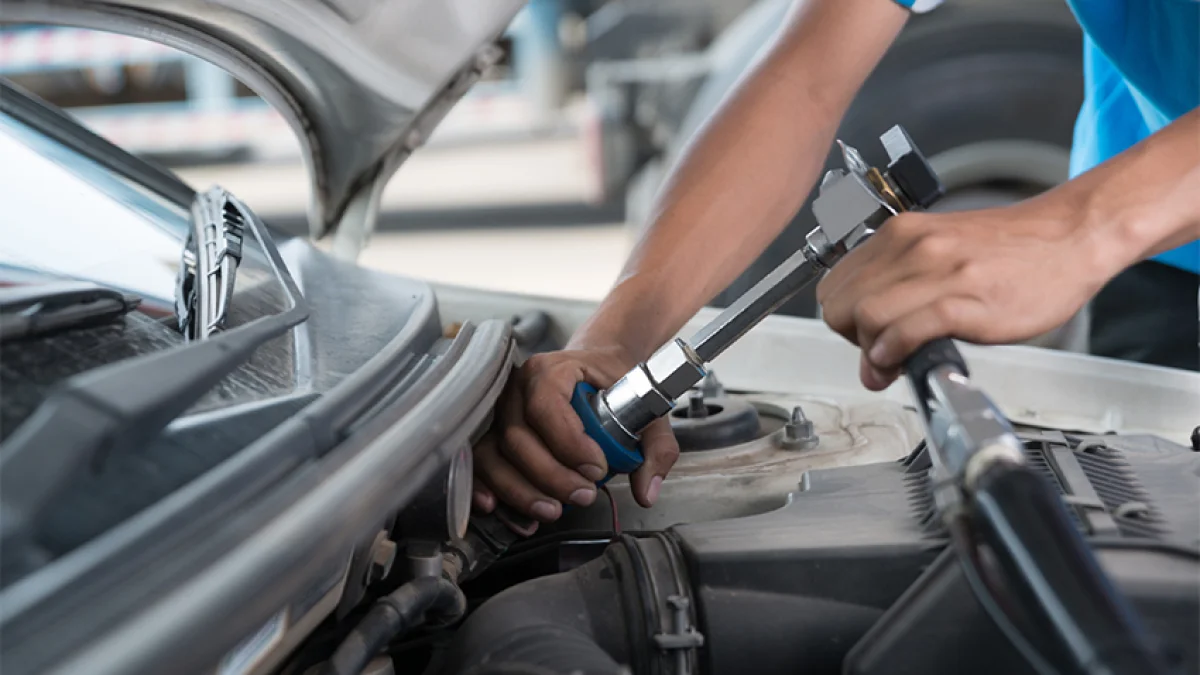
As the use of natural gas as a vehicle fuel continues to expand, concerns about potential gas leaks remain a common issue for some motorists considering vehicle conversion. However, experts emphasize that modern natural gas conversion systems are engineered in accordance with approved safety standards and incorporate multiple protection features designed to prevent gas leaks while maintaining occupant safety under various driving and operating conditions.
Natural Gas Conversion Follows Strict Safety Standards
According to experts from Gaztek, converting vehicles to operate on natural gas is carried out under precise technical requirements, with every component of the conversion system installed in compliance with approved safety standards. These procedures are intended to ensure safe vehicle operation across different usage conditions while maintaining the reliability and performance of the entire natural gas system.
Ventilation System Prevents Gas Accumulation
The experts explained that the conversion system is equipped with dedicated ventilation hoses designed to direct any small amount of gas resulting from a limited leak outside the vehicle. This prevents gas from accumulating inside the luggage compartment or passenger cabin, helping maintain passenger safety and reducing the possibility of gas collecting in enclosed areas within the vehicle.
Automatic Safety Valves Enhance Protection
The specialists added that the system also includes a valve that automatically stops the flow of natural gas whenever the engine is switched off or the vehicle stops operating. In addition, the gas cylinder is fitted with a safety valve that releases excess pressure if temperatures rise or gas pressure inside the cylinder increases beyond normal operating limits, providing an additional layer of protection.
The experts further confirmed that if the gas pipes experience any breakage or damage, the cylinder valve automatically shuts off to immediately stop the flow of gas. They stressed that the combination of multiple integrated safety systems makes operating vehicles powered by natural gas completely safe, with every protection feature designed to preserve vehicle safety and protect passengers throughout normal vehicle operation.
Related News
View All News
Signs of Spark Plug Failure in Your Car Engine — When to Replace Them
Spark plugs are essential engine components, and their failure causes difficulty starting, engine vibration, poor acceleration, and increased fuel consumption. Other signs include an illuminated check engine light and exhaust…

Your Complete Guide to Maintaining Car Tires as Winter Temperatures Drop
As winter approaches and temperatures fall, car tires need extra care to maintain grip and safety. Regular pressure checks, tread depth inspection, crack monitoring, and wheel alignment are essential steps.…

From Paper to Pavement: Inside the Making of a New Car
Developing a new car begins in the design studio with initial sketches that become a 3D digital model and then a full-size clay model. Engineering teams work in parallel to…

Tesla Drops 'Self-Driving' Name in Europe, Calls It 'Driver Assistant'
Tesla has renamed its 'Autopilot' system to 'Tesla Driver Assistant' in Europe after misleading claims. This change follows legal disputes and a retreat from full self-driving promises. In the U.S.,…

Chery Tiggo 9 CSH Survives Brutal Safety Tests: Saltwater Immersion and Underbody Impacts
Chery conducted extreme safety tests on the Tiggo 9 CSH, including a 24-hour saltwater immersion of its high-voltage battery and an underbody scraping test against a solid obstacle. Results showed…