5 Warning Signs of a Failing Fuel Pump: Don't Ignore These Symptoms
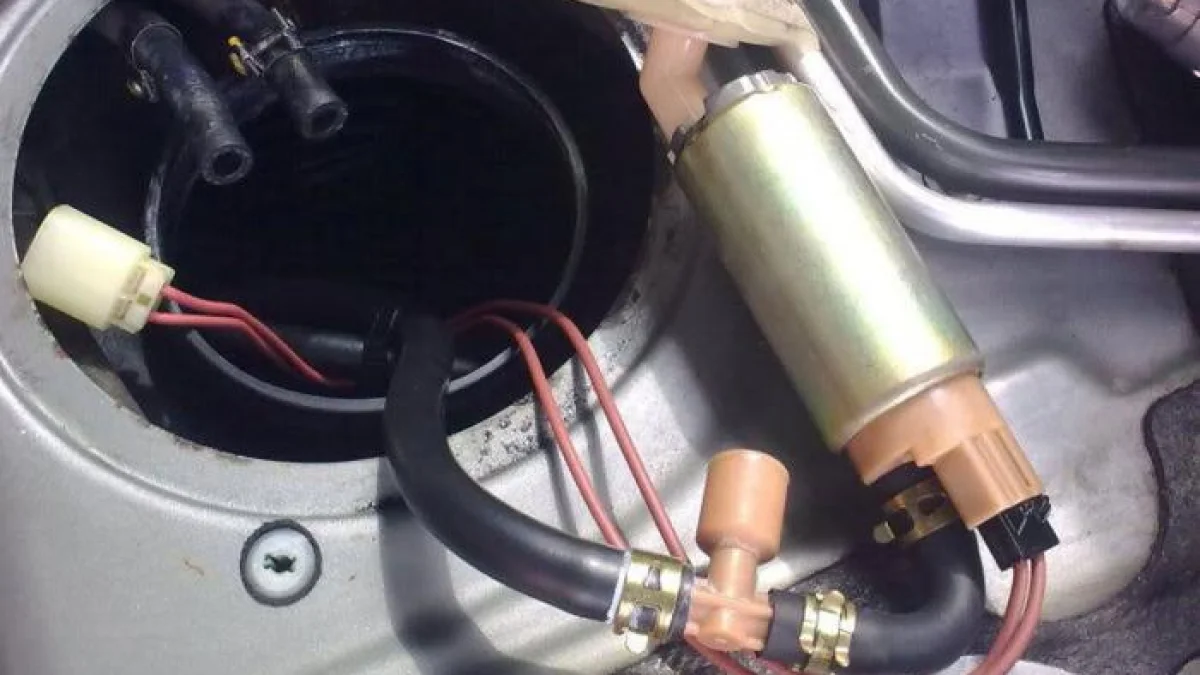
A failing fuel pump often starts with subtle symptoms that many drivers overlook, such as delayed engine startup or sluggish acceleration when pressing the gas pedal. However, ignoring these early warning signs can lead to sudden engine stalling and dangerous roadside situations. The fuel pump is a critical component of the vehicle's fuel system, responsible for delivering fuel from the tank to the engine at the correct pressure. When its efficiency declines, the engine receives an inconsistent fuel supply, triggering a range of symptoms that require immediate attention.
Difficulty Starting the Engine
One of the earliest indicators of a weak fuel pump is when the vehicle takes longer than usual to start, especially in the morning or after being parked for extended periods. This typically occurs because the pump cannot deliver sufficient fuel pressure from the first moment, causing slower cranking and requiring multiple attempts before the engine turns over. If you experience this issue with your used car, you might consider checking reliable options such as Hyundai or Toyota for better mechanical condition.
Engine Hesitation and Loss of Power
If you notice hesitation, jerking, or a sudden drop in power during acceleration, a failing fuel pump may be the culprit. In this case, the engine does not receive a steady flow of gasoline, making the problem more apparent when pressing the accelerator, climbing hills, or carrying a heavier load. It is essential to inspect the fuel system in vehicles like Nissan or Chevrolet if these symptoms appear.
Sudden Engine Stalling: A Serious Red Flag
One of the most dangerous signs is when the engine stalls while driving or at traffic lights, especially if it happens repeatedly without an obvious cause. This indicates that the fuel pump can no longer supply the necessary fuel to keep the engine running, a failure that should never be ignored as it can lead to hazardous situations on the road. Regular maintenance is highly recommended for models such as Kia and Mercedes to avoid such risks.
Whining Noise from the Fuel Tank Area
A fuel pump normally emits a faint hum when the vehicle is started, but if this sound becomes louder or turns into a distinct whine coming from the fuel tank area, it may signal impending failure. The noise often becomes more noticeable when turning the ignition key or during driving, especially if the pump is working under higher-than-normal pressure due to a partially clogged filter or worn internal components. Monitoring the condition of cars like BMW or Honda can help detect similar issues early.
Increased Fuel Consumption and Reduced Efficiency
A weak fuel pump can disrupt the combustion process inside the engine, leading to higher fuel consumption and reduced operational efficiency. If you notice that your vehicle is burning more gasoline than usual without a clear reason, it is crucial to inspect the fuel pump and the entire fuel system. For optimal performance, consider choosing reliable vehicles such as Suzuki or Mitsubishi, which are known for durable fuel systems.
Related News
View All News
Signs of Spark Plug Failure in Your Car Engine — When to Replace Them
Spark plugs are essential engine components, and their failure causes difficulty starting, engine vibration, poor acceleration, and increased fuel consumption. Other signs include an illuminated check engine light and exhaust…

Your Complete Guide to Maintaining Car Tires as Winter Temperatures Drop
As winter approaches and temperatures fall, car tires need extra care to maintain grip and safety. Regular pressure checks, tread depth inspection, crack monitoring, and wheel alignment are essential steps.…

From Paper to Pavement: Inside the Making of a New Car
Developing a new car begins in the design studio with initial sketches that become a 3D digital model and then a full-size clay model. Engineering teams work in parallel to…

Tesla Drops 'Self-Driving' Name in Europe, Calls It 'Driver Assistant'
Tesla has renamed its 'Autopilot' system to 'Tesla Driver Assistant' in Europe after misleading claims. This change follows legal disputes and a retreat from full self-driving promises. In the U.S.,…

Chery Tiggo 9 CSH Survives Brutal Safety Tests: Saltwater Immersion and Underbody Impacts
Chery conducted extreme safety tests on the Tiggo 9 CSH, including a 24-hour saltwater immersion of its high-voltage battery and an underbody scraping test against a solid obstacle. Results showed…