Ford X-8: The Strange 14-Inch, 30-HP Engine That Almost Changed History
In the 1920s, Ford developed the X-8, an eight-cylinder engine with an X-shaped design as part of a secret project for a Model T replacement. The engine measured 14 inches long and 17 inches wide, displaced 1.77 liters, and could produce up to 30 horsepower according to patents. Despite development until 1926, oil leakage and low-mounted spark plugs prevented production, leading Ford to the Flathead V8.
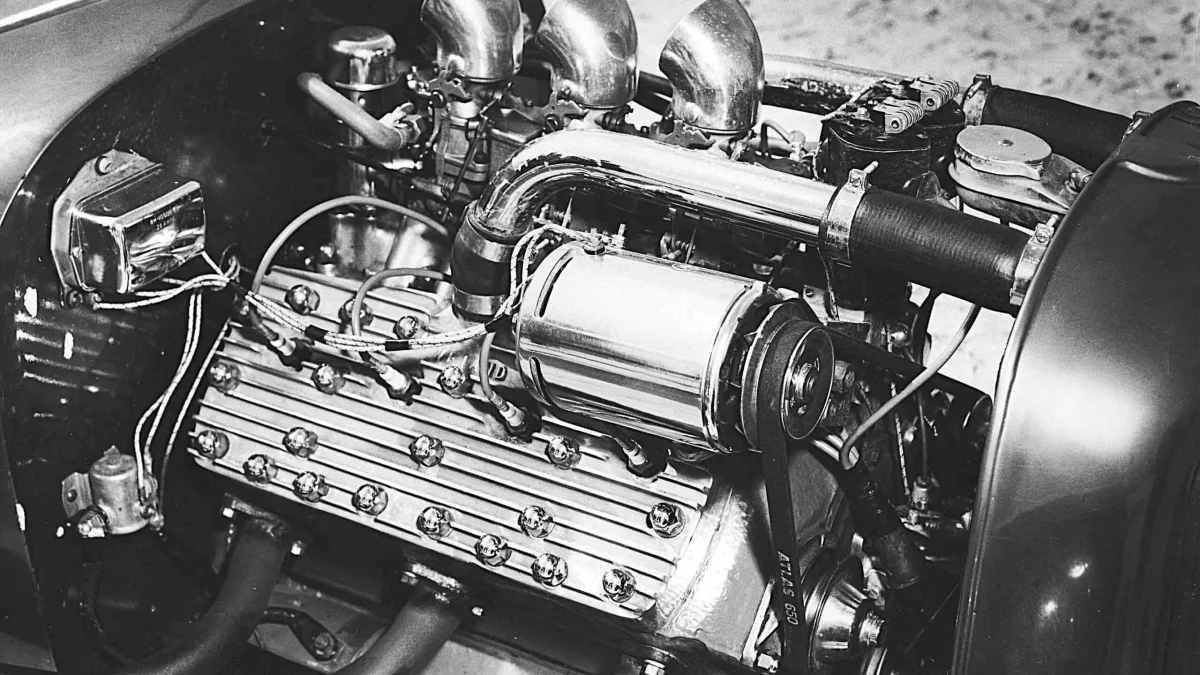
14 inches long, 17 inches wide and tall, and just 30 horsepower. This isn't a motorcycle engine but Ford's X-8 eight-cylinder powerplant developed in the 1920s as part of a secret project to underpin a new car replacing the Model T. The engine with its unique X-shaped design never reached production, yet it remains one of the strangest engineering experiments in Ford history.
X-8 Design: Four Cylinders Per Arm
The core difference between the X-8 and conventional V8 engines lies in cylinder arrangement. Instead of two opposing banks in a V shape, the eight cylinders were placed around a central crankshaft in an X configuration. The engine had two groups of four cylinders, but describing it as two connected V4s isn't entirely accurate. Each group was arranged in an X, making it closer to two X-4 engines joined to a single crankshaft. This layout explains its extremely compact size: roughly 17 inches in height and width, with a length of just 14 inches. A displacement of 108 cubic inches—about 1.77 liters.
Air Cooling and Eight Spark Plugs
The original design relied on air cooling. That explains the large fans on both sides of the engine. Cylinders were finned to increase surface area and dissipate heat. The engine used eight spark plugs with a relatively complex intake and exhaust system. Each side had a manifold serving four cylinders with both intake and exhaust passages. Ford's patent revealed that one version of the design could produce up to 30 horsepower, though The Henry Ford museum doesn't specify an official power figure for the engine currently on display.
Why Ford Abandoned the Project
Despite years of development, engineering problems prevented production. Oil leaking into the cylinders was a major flaw. The low-mounted spark plugs were exposed to dirt and mud from the road. Engineers tried converting the design from air cooling to water cooling, but the project continued to suffer from multiple issues. As development stretched to 1926, Ford began searching for a more practical solution.
The Road to the Flathead V8
Before Ford introduced its famous Flathead V8, Henry Ford embarked on an unconventional engineering experiment with the X-8. Developed in the 1920s, it was meant to power a new car replacing the Model T. But the engineering failure did not stop Ford. That later shifted efforts to developing a conventional V8 that became one of the company's most iconic engines. The secret project ended, but left behind a unique engineering tale of a 14-inch, 30-horsepower engine.
Frequently Asked Questions
3 questions answered
Related News
View All News
Petrol in a Diesel Engine: A Seconds-Long Mistake That Can Cost You Thousands
Filling a diesel car with petrol instead of diesel can cause severe damage to the high-pressure fuel pump and injectors due to lack of lubrication. Starting the engine after the…
Brake Pad Wear: Signs and Causes — When Should You Replace Them Immediately?
Brake pads are among the most critical spare parts for vehicle safety, and their wear shows through repeated squealing, weak braking response, pedal vibration, or the car pulling to one…

Car Expert Reveals 8 Household Tricks Using Toothpaste and Cat Litter to Save Your Car Without a Workshop
Engineer Haitham Farag, a car maintenance expert, revealed 8 simple household tricks to address car issues without a workshop. The tricks include using toothpaste to polish headlights, nail polish to…

Dry vs Wet DCT: What's the Difference and Which Is Better in Traffic?
DCT transmissions are divided into dry and wet types, with the key difference being clutch cooling. Dry is lighter and simpler but suffers from heat in heavy traffic, while wet…
Porsche Patents Dual-Clutch Gearbox That Mimics Manual Feel with Electronic Clutch Pedal
Porsche has patented a dual-clutch transmission system that mimics manual driving with an electronic clutch pedal and shift lever. The system allows full automatic driving or manual-like shifting without mechanical…