

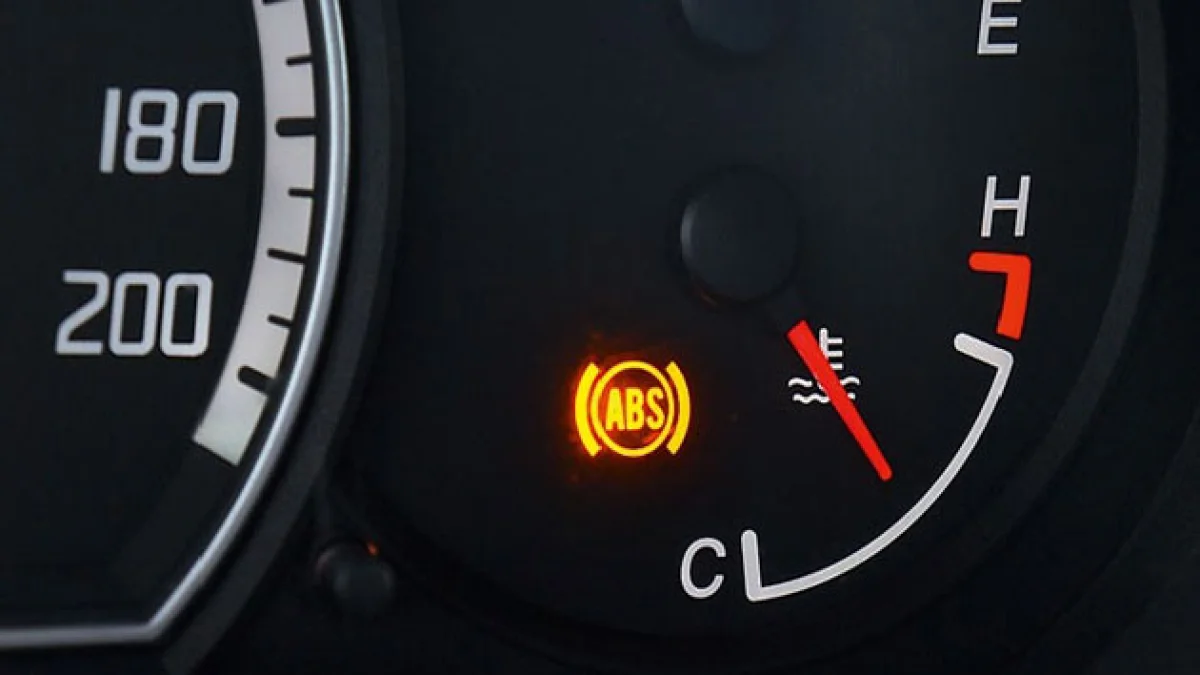
The 'Floater Chip' Malfunction: Why Your Car Suddenly Stops Despite a Full Fuel Gauge
Imagine driving down a highway when your car suddenly comes to a halt, only to discover the fuel tank is nearly empty — despite the fuel gauge on your dashboard stubbornly showing a sufficient level. This phenomenon, often called the 'illusion indicator,' is not a complex mechanical failure. It is typically caused by a small, overlooked component inside the fuel tank known as the 'fuel floater chip' or sending unit.
Understanding the Fuel Floater Chip
According to Hamada El-Safty, manager of an automotive service center, the problem does not lie with the dashboard gauge itself but with a part inside the fuel tank — the fuel floater chip. This chip is responsible for measuring the fuel level and sending accurate readings to the instrument cluster. When it fails, it transmits incorrect data, causing the gauge to remain stationary. The driver then mistakenly believes there is plenty of fuel left, while the tank is actually nearly empty.
Warning Signs You Should Never Ignore
El-Safty emphasized that if the fuel gauge remains fixed for an extended period, even after covering significant distances, it serves as an early warning of a faulty floater chip. Ignoring this sign can lead to an unexpected breakdown in the middle of the road, posing a serious safety risk. Experts recommend monitoring the fuel gauge daily and paying close attention if it fails to move as expected.
Repair Costs and Maintenance Tips
The service center manager highlighted the importance of regular fuel system inspections. The cost of replacing a floater chip typically ranges between EGP 500 and EGP 1,200 or more for economy cars, depending on the vehicle's make and model. For some premium or imported vehicles, the price can double. To avoid sudden stops and ensure driving safety, it is advisable to visit a specialized service center as soon as any irregularity in the fuel gauge is detected.
Related News
View All News
Signs of Spark Plug Failure in Your Car Engine — When to Replace Them
Spark plugs are essential engine components, and their failure causes difficulty starting, engine vibration, poor acceleration, and increased fuel consumption. Other signs include an illuminated check engine light and exhaust…

Your Complete Guide to Maintaining Car Tires as Winter Temperatures Drop
As winter approaches and temperatures fall, car tires need extra care to maintain grip and safety. Regular pressure checks, tread depth inspection, crack monitoring, and wheel alignment are essential steps.…
From Paper to Pavement: Inside the Making of a New Car
Developing a new car begins in the design studio with initial sketches that become a 3D digital model and then a full-size clay model. Engineering teams work in parallel to…

Tesla Drops 'Self-Driving' Name in Europe, Calls It 'Driver Assistant'
Tesla has renamed its 'Autopilot' system to 'Tesla Driver Assistant' in Europe after misleading claims. This change follows legal disputes and a retreat from full self-driving promises. In the U.S.,…

Chery Tiggo 9 CSH Survives Brutal Safety Tests: Saltwater Immersion and Underbody Impacts
Chery conducted extreme safety tests on the Tiggo 9 CSH, including a 24-hour saltwater immersion of its high-voltage battery and an underbody scraping test against a solid obstacle. Results showed…

