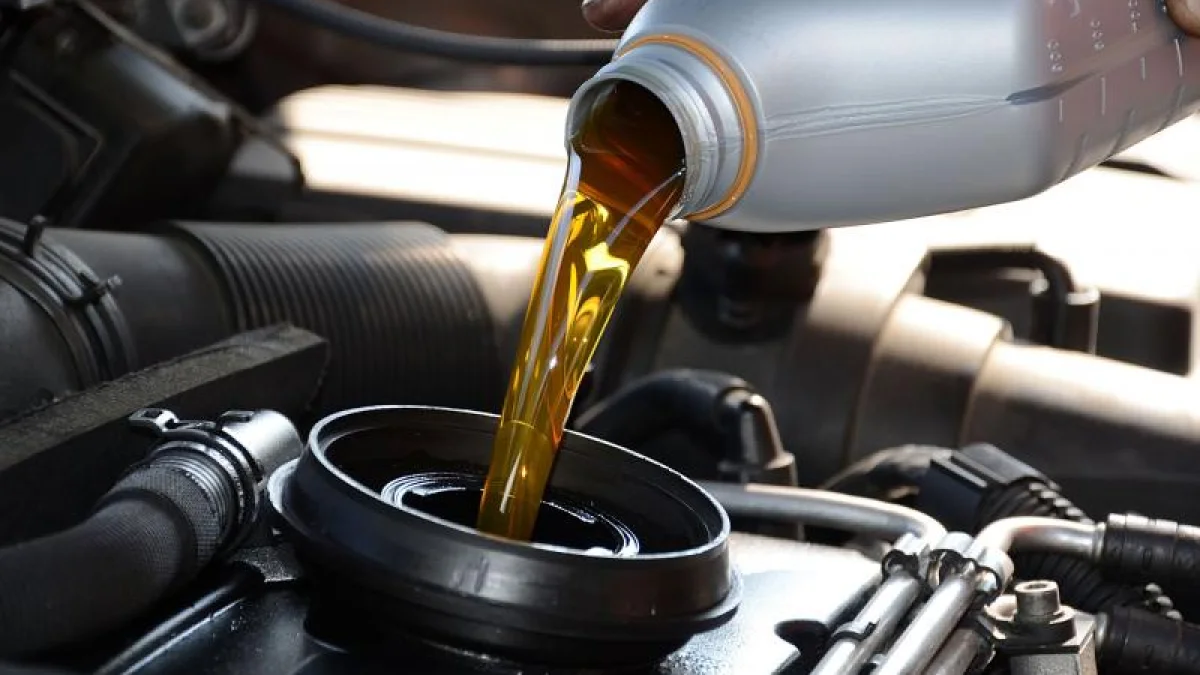
Beware of Cheap Price and Bulk Containers: 4 Signs That Reveal Fake Engine Oil Before Purchase
Engine oil is one of the most critical elements for maintaining a vehicle's efficiency and lifespan, as it reduces friction between internal engine parts, lowers operating temperatures, and protects metal components from corrosion. However, the spread of counterfeit or unknown-source oils poses a significant risk that can lead to costly breakdowns and long-term engine damage, making it essential for every car owner to recognize the telltale signs of adulteration.
How to Avoid Buying Fake Engine Oil
Automotive experts emphasize that the first and most important step to avoid counterfeit oils is to purchase from authorized distributors or trusted service centers, steering clear of products with unknown origins or those offered at prices significantly lower than the usual market rate. A substantial price difference is often a strong indicator of a product's lack of authenticity, especially when dealing with well-known oils for brands like Toyota or Hyundai.
Inspecting the Container Before Purchase
Before making a purchase, the oil container must be carefully inspected to ensure the cap is intact and shows no signs of tampering or refilling. It is also crucial to check the print quality on the outer label, the clarity of product information such as the manufacturer's name, viscosity grade, production date, and batch number. Any manipulation or errors in these details could be evidence of a counterfeit product.
Security Features and Product Verification
Experts advise checking for security features used by manufacturers, such as a heat seal, verification code, or QR code. Official company channels can be used to verify the product's authenticity when such a service is available, providing an extra layer of protection for the consumer. This is particularly important when purchasing oil for vehicles like Mercedes or BMW, which require high-quality lubricants.
Choosing the Right Specification for Your Vehicle
It is also important to select the appropriate viscosity grade and specification for your vehicle according to the owner's manual, rather than relying solely on advice from non-specialists. Using oil that does not meet the required specifications can lead to reduced engine performance, increased fuel consumption, or mechanical stress on the engine, especially in modern cars like Nissan or Kia.
Warning Signs After Use
Several warning signs may appear after using counterfeit oil, including a noticeable increase in engine noise, excessive smoke from the exhaust, higher than normal engine temperature, or a rapid change in the oil's color and odor. In such cases, driving should be stopped immediately, and the vehicle should be inspected at a specialized service center to prevent severe damage.
The Importance of Keeping the Receipt and Container
It is advisable to keep the purchase receipt and the oil container for a short period after changing the oil, especially if any issues arise later. This simple measure can help trace the point of sale or file a complaint with the relevant authorities, protecting consumer rights and limiting the spread of counterfeit products.
Warning Against Bulk and Refilled Oils
Experts strongly warn against buying bulk oils or those refilled into non-original containers, as they are the most susceptible to adulteration or mixing with low-quality oils. Such practices can lead to internal engine component wear and a significant drop in efficiency, resulting in costly breakdowns that require immediate intervention. In the end, genuine oil may have a higher upfront price, but it is far less expensive than repairing engine damage caused by a counterfeit product, making preventive maintenance and purchasing from reliable sources the best investment for your vehicle.
Related News
View All News
Signs of Spark Plug Failure in Your Car Engine — When to Replace Them
Spark plugs are essential engine components, and their failure causes difficulty starting, engine vibration, poor acceleration, and increased fuel consumption. Other signs include an illuminated check engine light and exhaust…

Your Complete Guide to Maintaining Car Tires as Winter Temperatures Drop
As winter approaches and temperatures fall, car tires need extra care to maintain grip and safety. Regular pressure checks, tread depth inspection, crack monitoring, and wheel alignment are essential steps.…

From Paper to Pavement: Inside the Making of a New Car
Developing a new car begins in the design studio with initial sketches that become a 3D digital model and then a full-size clay model. Engineering teams work in parallel to…

Tesla Drops 'Self-Driving' Name in Europe, Calls It 'Driver Assistant'
Tesla has renamed its 'Autopilot' system to 'Tesla Driver Assistant' in Europe after misleading claims. This change follows legal disputes and a retreat from full self-driving promises. In the U.S.,…

Chery Tiggo 9 CSH Survives Brutal Safety Tests: Saltwater Immersion and Underbody Impacts
Chery conducted extreme safety tests on the Tiggo 9 CSH, including a 24-hour saltwater immersion of its high-voltage battery and an underbody scraping test against a solid obstacle. Results showed…