
Ethanol: Does It Really Boost Your Car's Power or Harm the Engine?
Ethanol is an alcohol used in some fuel blends to raise octane and improve combustion, but it's not a magic power booster for all engines. Its effect depends on engine design, fuel management system, and the ratio allowed by the manufacturer. Modern cars designed for ethanol-blended fuel can use it per specifications, while older cars—especially carbureted ones—need extreme caution. The best practice is to follow the owner's manual and avoid random fuel additives.
Some car owners add ethanol to their fuel tanks hoping for better throttle response and more power, jokingly calling it the car's version of Viagra. But ethanol is no magic potion for every engine. Its effect hinges on engine design, the fuel management system, and the ratio approved by the manufacturer.
What Is Ethanol and Why Does It Raise Octane?
Ethanol, or ethyl alcohol, is a component in some fuel blends or fuel additives used to raise the octane number and improve combustion characteristics. It has a relatively high octane rating, which helps petrol resist early ignition, but the usable percentage varies according to fuel specifications and engine design.
Does Ethanol Increase Engine Power?
Some drivers report better engine response after using ethanol or fuel additives, especially if the fuel system suffers from deposits affecting combustion. From a technical standpoint, though, ethanol can't be considered a power booster for all engines simply by adding it to the tank, because performance depends on engine design, fuel management, and the allowed ethanol ratio.
Modern vs. Older Cars: Which Handles Ethanol Better?
Ethanol can't be used at the same ratios in all vehicles. Modern cars designed to run on fuel with specific ethanol percentages can use it according to the manufacturer's specifications. Adding ethanol on its own to the fuel tank isn't recommended to be done randomly, especially if the manufacturer has not stated the permitted ratio. Older cars need extra caution, particularly those with carburetors or older fuel systems and materials not designed for high ethanol concentrations.
A Practical Takeaway for Car Owners
Ethanol may improve performance under certain conditions, but it isn't a universal fix for more power. Stick to the manufacturer's recommendations, use the fuel specified in your owner's manual, and avoid random additives that could damage fuel system components over time.
Frequently Asked Questions
3 questions answered
Related News
View All News
Factorial and Mitsui Kinzoku Join Forces to Accelerate Solid-State Battery Production
Factorial Energy has announced a partnership with Japan's Mitsui Kinzoku to develop full-scale manufacturing of solid-state batteries for electric vehicles. Mitsui Kinzoku will supply a sulfide-based solid electrolyte called A-SOLiD,…
Engine Overheating Is a Real Danger: 12 Tips to Keep Your Car Cool in Summer and Winter
Engine overheating can cause severe damage, but 12 practical tips can protect your cooling system. They include parking in the shade, using a sunshade, and checking coolant levels with the…
Red vs Green Coolant: Which One Is Right for Your Car?
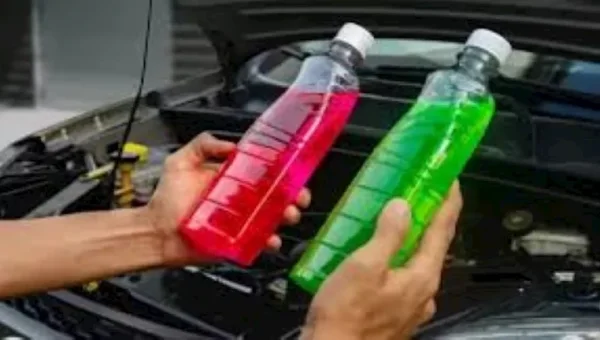
Red and green coolants differ in chemical composition and service life. Green coolant uses silicate technology and suits older engines, while red coolant relies on organic acids and is designed…

5 Dangerous Signs After Converting Your Car to LPG — If They Appear, See a Mechanic Immediately
Converting a car to LPG saves fuel costs but carries risks if installation is poor. Gas consumption runs 10% to 30% higher than petrol depending on the car and driving…

Your Electric Car May Not Always Deliver Advertised Power: The Secret Lies in Two Key Numbers
The article explains that electric cars advertise impressive peak power but it is temporary, while continuous power is much lower due to heat buildup. The Porsche Taycan Turbo GT example…