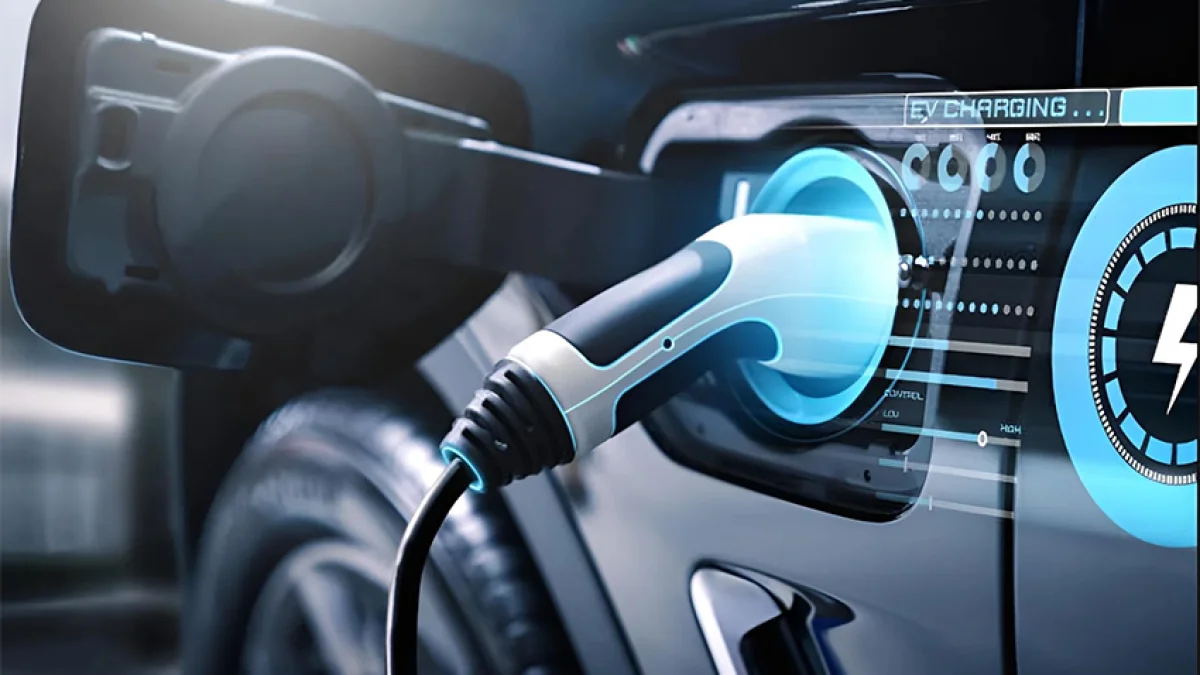
Factorial and Mitsui Kinzoku Join Forces to Accelerate Solid-State Battery Production
Factorial Energy has announced a partnership with Japan's Mitsui Kinzoku to develop full-scale manufacturing of solid-state batteries for electric vehicles. Mitsui Kinzoku will supply a sulfide-based solid electrolyte called A-SOLiD, while Factorial leads cell design and production line integration. The deal follows 2025 results in which Factorial and Stellantis validated FEST cells at 77 Amp-hours and 375 Wh/kg, charging from 15% to over 90% in roughly 18 minutes. The goal is commercial-scale production after years of lab-stage development.
Solid-state batteries just moved closer to the factory floor. Factorial Energy, the US-based battery developer, announced a partnership with Japan's Mitsui Kinzoku to build out full-scale manufacturing processes and accelerate the technology's shift into commercial production — a step aimed at clearing the toughest hurdle the industry faces.
Why the Future of Electric Vehicles Needs Industrial Alliances
No single company can develop every battery component alone. Factorial is building an alliance of specialized firms, each handling a distinct part of the materials and component chain. The goal is to reach commercial-scale output faster than keeping everything in-house ever could. Mitsui Kinzoku will supply a sulfide-based solid electrolyte called A-SOLiD, a material it developed specifically for solid-state cells, while also refining cell manufacturing processes for high-volume production. Factorial, for its part, will keep leading cell design, manufacturing development, supply chain qualification, production line integration, and manufacturability validation.
How Solid-State Batteries Differ from Lithium-Ion
Conventional lithium-ion cells rely on a liquid electrolyte. Solid-state replaces that liquid with a solid material — a fundamental change that lifts energy density and improves thermal stability, which could eventually translate into longer-range and more efficient EVs. The real challenge isn't the concept. It's scaling cell production while preserving high performance and cutting costs at the same time. That's exactly what this alliance is designed to tackle.
Real Numbers That Back the Technology
The new partnership follows concrete results Factorial already posted. In 2025, the company and Stellantis validated FEST automotive cells rated at 77 Amp-hours and 375 Wh/kg energy density, with a charge from 15% to over 90% in roughly 18 minutes under test conditions. Those figures show clear progress on both rapid charging and energy density — the two metrics the entire industry is chasing.
Commercial production is still some distance away. What matters here is that solid-state batteries are moving from research labs toward real factories, and that transition is precisely what the electric vehicle market needs to deliver longer range and better efficiency to drivers.
Frequently Asked Questions
3 questions answered
Related News
View All News
Engine Overheating Is a Real Danger: 12 Tips to Keep Your Car Cool in Summer and Winter
Engine overheating can cause severe damage, but 12 practical tips can protect your cooling system. They include parking in the shade, using a sunshade, and checking coolant levels with the…
Red vs Green Coolant: Which One Is Right for Your Car?
Red and green coolants differ in chemical composition and service life. Green coolant uses silicate technology and suits older engines, while red coolant relies on organic acids and is designed…
5 Dangerous Signs After Converting Your Car to LPG — If They Appear, See a Mechanic Immediately
Converting a car to LPG saves fuel costs but carries risks if installation is poor. Gas consumption runs 10% to 30% higher than petrol depending on the car and driving…
Your Electric Car May Not Always Deliver Advertised Power: The Secret Lies in Two Key Numbers
The article explains that electric cars advertise impressive peak power but it is temporary, while continuous power is much lower due to heat buildup. The Porsche Taycan Turbo GT example…
6 Signs Your Cooling Fan Is Failing — And 3 Times It's Perfectly Normal
Engine cooling fan running after ignition shutdown worries many drivers, but it's normal after long drives, in hot weather, and during traffic congestion. The ECU activates the fan for extra…