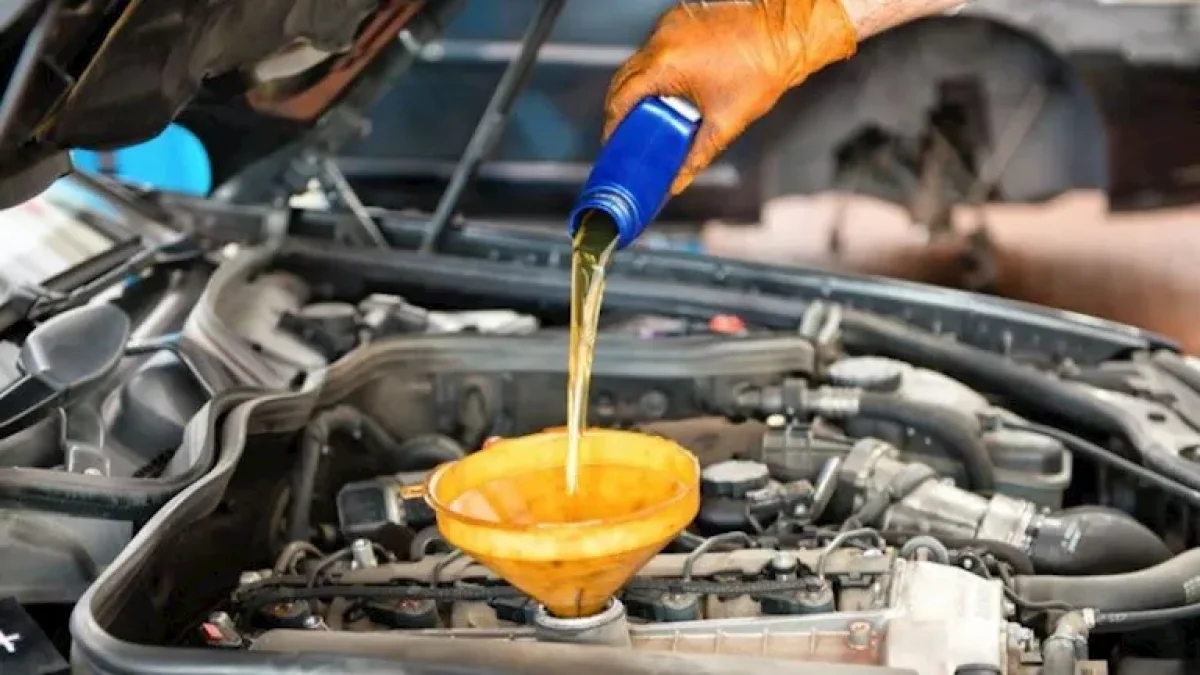
Engine Oil Off-Spec: Does It Really Damage Your Engine?
Using engine oil that doesn't match manufacturer recommendations isn't automatically harmful if it meets the required viscosity and performance specs. The real danger starts when oil properties don't align with engine needs, especially in modern turbocharged engines. Matching the specifications in your owner's manual is what protects your engine from wear and failure.
Does using engine oil that the manufacturer doesn't recommend mean certain engine failure? The short answer is no, as long as the oil meets the required technical specifications like viscosity grade 5W-30 and performance certifications. Real danger begins when the oil's properties differ from what your engine actually needs, not when the bottle carries a different brand name.
Viscosity and Specs Matter More Than Brand Names
The numbers printed on the bottle tell the real story. Viscosity grades like 0W-20 or 5W-40 determine how the oil flows at different temperatures. They don't measure quality so much as suitability for a specific engine design. Many drivers assume any oil from a famous brand will provide adequate protection, yet the truth is that matching the specifications in your owner's manual is what really counts.
Oil that doesn't meet the required specs might not offer sufficient protection for moving parts. Modern engines equipped with turbochargers or variable valve timing systems rely heavily on oil pressure and flow characteristics to keep those sensitive components operating efficiently. Choosing oil thicker than recommended can slow its circulation during cold starts, increasing friction and wear.
When Does the Wrong Oil Become a Real Problem?
Prolonged use of oil with lower viscosity than required can lead to serious trouble. Under heavy loads or high temperatures, that oil may fail to maintain a protective film between components, accelerating wear and leading to costly engine damage.
The right oil depends on engine design and operating conditions. Some modern powertrains require oils with specific formulations to protect exhaust aftertreatment systems, and using an unsuitable product could affect those systems over time, not just the engine's performance.
The golden rule is straightforward: as long as the oil matches the specifications in your vehicle's manual regarding viscosity and certifications, you can use any trustworthy brand. But simply switching to a different brand that doesn't meet those specs poses a genuine risk to your engine's health, efficiency, and fuel economy.
Frequently Asked Questions
4 questions answered
Related News
View All News
Fuel Warning Light Isn't Just a Reminder: What Your Car Loses When You Drive on Empty
Repeatedly driving on empty puts extra stress on the fuel pump, which relies on surrounding gasoline to stay cool. Low fuel levels cause the pump to run hotter, shortening its…

Mercedes G-Class Could Learn to Swim: Patent Reveals Floating System for Electric Version
A new patent reveals a buoyancy system for the Mercedes G-Class Electric that allows it to stay on the water surface and move across it. The system uses inflatable or…

Automotive Expert Warns: Large Screens May Delay Driver Decisions in Critical Moments
Tony Latif, an electric vehicle expert, warned that advanced touchscreens in modern cars can slow driver response in critical moments such as dimming high beams. Speaking on the "Arabity" program,…

Hisham El-Zeiny Warns: Advanced Technology Could Turn Modern Cars into a 'Moving Coffin'
Egyptian broadcaster Hisham El-Zeiny has warned that advanced technology in modern cars can become a 'moving coffin' when a sudden power failure occurs. He cited the recall of nearly 4…

Why Sports Cars Swear by Dual-Clutch Transmissions
This article explains the mechanics behind the dual-clutch transmission (DCT), a technology favored in sports cars from Porsche, Volkswagen, and Hyundai. The system uses two clutches to pre-select gears, enabling…