Why Sports Cars Swear by Dual-Clutch Transmissions
This article explains the mechanics behind the dual-clutch transmission (DCT), a technology favored in sports cars from Porsche, Volkswagen, and Hyundai. The system uses two clutches to pre-select gears, enabling near-instantaneous shifts that significantly boost acceleration and performance. While it may shudder at low speeds in traffic, it remains the optimal choice for driving enthusiasts seeking maximum response.
Curious why performance icons like Porsche and Volkswagen rely on lightning-fast shifts? The answer lies in the dual-clutch transmission (DCT), a system that has fundamentally changed the driving dynamics of sports cars. It uses two clutches instead of one. That allows the gearbox to pre-select the next gear before the shift even begins.
Decoding the DCT: How Dual-Clutch Works
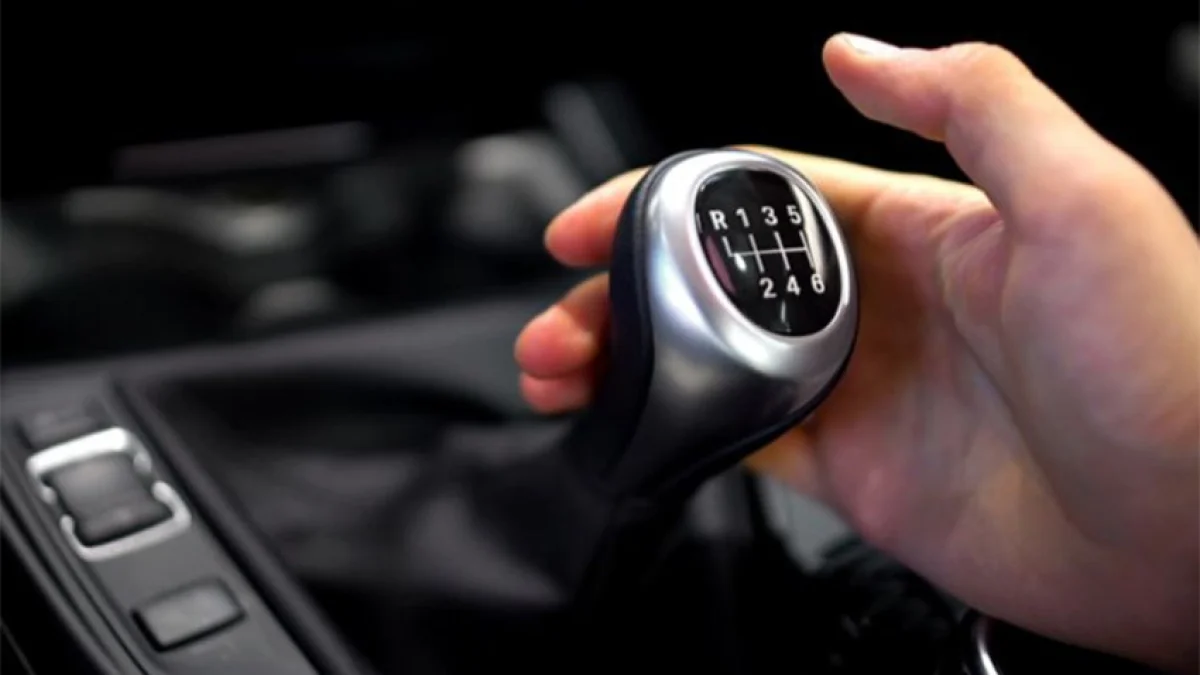
The concept is brilliant, yet mechanically straightforward. A DCT has two separate clutches; one manages the odd-numbered gears like first, third. Fifth, while the other handles the even-numbered gears like second, fourth, and sixth. While the current gear is engaged, the transmission has already prepared the next one, so the moment of shifting is just a matter of the computer disengaging one clutch and engaging the other with incredible speed.
This intricate design minimizes the interruption of power flow from the engine to the wheels to near zero. The result is a continuous, unbroken surge of acceleration that traditional torque-converter automatics simply can't replicate. Speed is the very essence of this technology and the primary reason it has become a staple in high-performance vehicles.
The Performance Edge and the Driving Experience
In the world of motorsport and high-performance road cars, every millisecond matters. Porsche originally developed its PDK system for racing, where a reduction in shift time is a critical advantage. The German automaker claims its first production-spec PDK could change gears up to 60 percent faster than the traditional automatic transmission it replaced.
Those numbers translate directly to real-world thrills. Near-instant shifts mean sharper throttle response when accelerating out of corners and a more visceral connection between driver and machine. There is no waiting for the next gear; it's already there. This directness of feel is what separates a hot hatch like the Hyundai i20 N from its more sedate siblings.
Yet, the benefits of a DCT extend beyond sheer pace. The system can also improve fuel efficiency, thanks to its more direct mechanical connection between the engine and transmission. A traditional automatic relies on a torque converter. That can allow for some energy slippage, whereas a DCT's clutch pack delivers power more efficiently.
Weighing the Compromises and Choosing the Right Gearbox
No technology is perfect, and DCTs have their fair share of idiosyncrasies. At low speeds, inching forward in heavy traffic, some DCTs can feel less smooth, with a hint of hesitation or shudder. This happens because the clutches are operating in a manner similar to a manual transmission's clutch, making low-speed maneuvering less refined than a traditional auto.
As traditional automatic transmissions have evolved, they have become much quicker and more refined, narrowing the performance gap that once defined the DCT's appeal. Therefore, a DCT isn't the perfect choice for every vehicle, particularly for models designed as comfortable daily commuters in congested cities where low-speed smoothness is more valuable than a fraction of a second faster shift. While Volkswagen champions its DSG system, the choice of gearbox ultimately depends on your driving priorities. For enthusiasts who crave relentless engagement and maximum response, the dual-clutch gearbox remains the undisputed king, but for those who prioritize a serene ride, a modern automatic might be the wiser pick.
Frequently Asked Questions
3 questions answered
Related News
View All News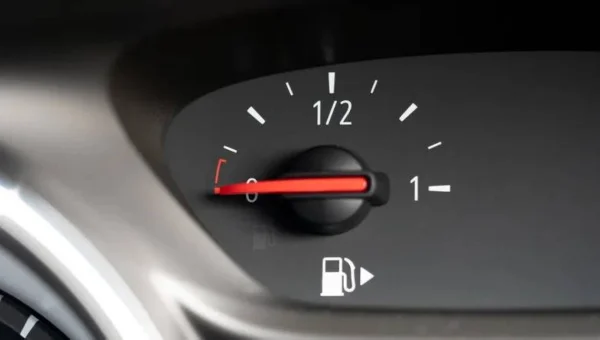
Fuel Warning Light Isn't Just a Reminder: What Your Car Loses When You Drive on Empty
Repeatedly driving on empty puts extra stress on the fuel pump, which relies on surrounding gasoline to stay cool. Low fuel levels cause the pump to run hotter, shortening its…
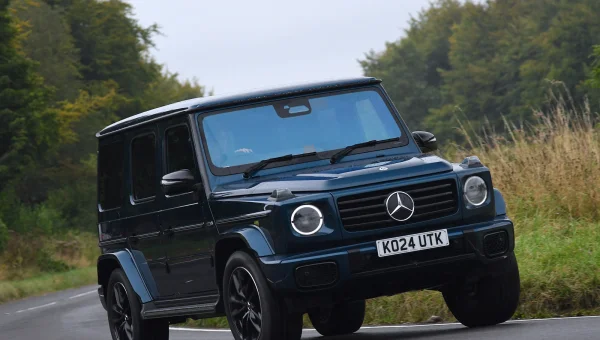
Mercedes G-Class Could Learn to Swim: Patent Reveals Floating System for Electric Version
A new patent reveals a buoyancy system for the Mercedes G-Class Electric that allows it to stay on the water surface and move across it. The system uses inflatable or…
Automotive Expert Warns: Large Screens May Delay Driver Decisions in Critical Moments
Tony Latif, an electric vehicle expert, warned that advanced touchscreens in modern cars can slow driver response in critical moments such as dimming high beams. Speaking on the "Arabity" program,…
Hisham El-Zeiny Warns: Advanced Technology Could Turn Modern Cars into a 'Moving Coffin'
Egyptian broadcaster Hisham El-Zeiny has warned that advanced technology in modern cars can become a 'moving coffin' when a sudden power failure occurs. He cited the recall of nearly 4…

AI Solves the Hardest Problem for Women: Parking Made Easier
Artificial intelligence now helps drivers solve the problem of parking in tight spaces through advanced systems combining cameras and sensors. These systems offer steering assistance and full control over acceleration…