

Engine Air Filter: A Small Part That Could Cost You Thousands If Neglected
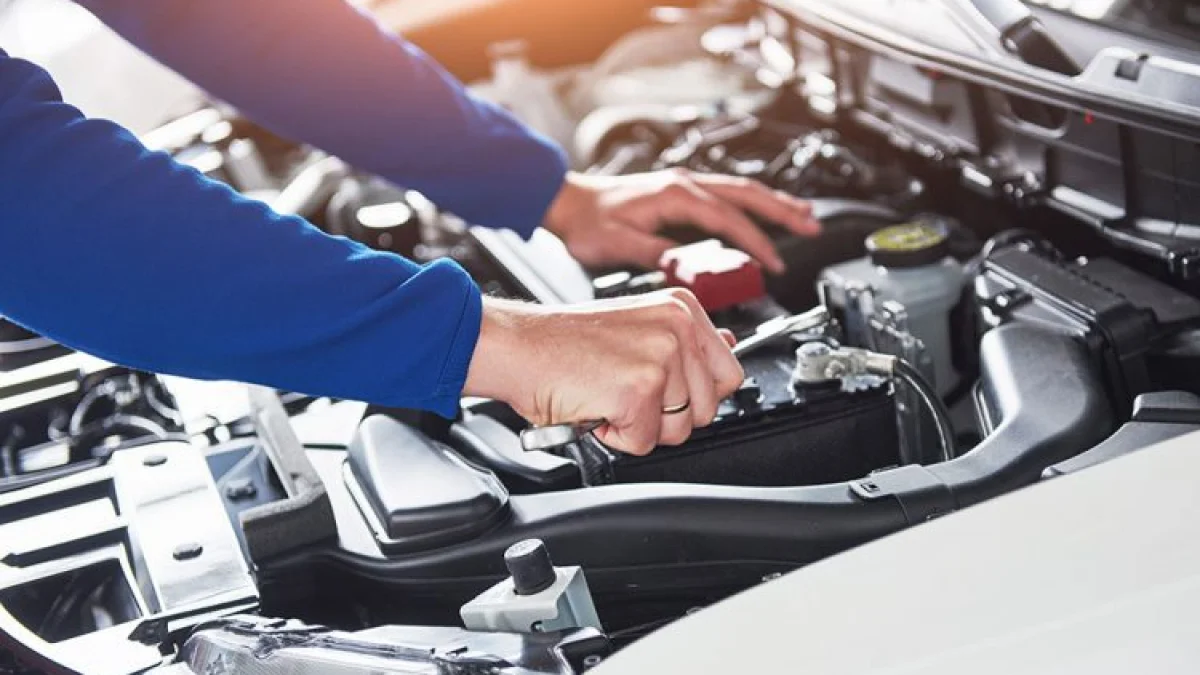
The engine air filter is a critical component in any vehicle, playing a key role in protecting the engine from dust and debris. This small part ensures clean air reaches the combustion chamber, improving performance efficiency and reducing fuel consumption. Neglecting to replace it on time can lead to noticeable engine performance decline, increased fuel usage, poor acceleration response, and higher emissions due to incomplete combustion.
Ideal Replacement Interval for the Air Filter
According to routine maintenance recommendations, the engine air filter should be replaced every 10,000 to 20,000 kilometers at most. This distance varies based on driving habits and road conditions. For instance, if you frequently drive in congested areas or on dusty roads, you should shorten this interval to maintain engine efficiency. It is advisable to inspect the filter regularly during oil changes or routine maintenance, rather than relying solely on mileage, as road conditions and dust levels can accelerate its clogging or deterioration.
Warning Signs of a Clogged Air Filter
Several warning signs alert drivers to check or replace the air filter. These include poor engine pulling power, unexplained increased fuel consumption, unusual engine noises, or delayed throttle response. A clogged air filter prevents the proper amount of air from reaching the engine, affecting combustion and forcing the engine to work harder to achieve required performance. Ignoring these signs can lead to major failures and costly repairs.
Low Cost, High Benefits
Replacing the air filter is one of the simplest and least expensive maintenance tasks, yet it helps maintain engine efficiency, improve vehicle performance, and reduce unexpected breakdowns in the long run. Thanks to this simple component, you can avoid spending thousands on engine repairs caused by dust and debris ingress. Therefore, it is essential to adhere to the maintenance schedule and inspect the filter regularly to ensure optimal engine performance and a longer vehicle lifespan.
Related News
View All News
Signs of Spark Plug Failure in Your Car Engine — When to Replace Them
Spark plugs are essential engine components, and their failure causes difficulty starting, engine vibration, poor acceleration, and increased fuel consumption. Other signs include an illuminated check engine light and exhaust…

Your Complete Guide to Maintaining Car Tires as Winter Temperatures Drop
As winter approaches and temperatures fall, car tires need extra care to maintain grip and safety. Regular pressure checks, tread depth inspection, crack monitoring, and wheel alignment are essential steps.…
From Paper to Pavement: Inside the Making of a New Car
Developing a new car begins in the design studio with initial sketches that become a 3D digital model and then a full-size clay model. Engineering teams work in parallel to…

Tesla Drops 'Self-Driving' Name in Europe, Calls It 'Driver Assistant'
Tesla has renamed its 'Autopilot' system to 'Tesla Driver Assistant' in Europe after misleading claims. This change follows legal disputes and a retreat from full self-driving promises. In the U.S.,…

Chery Tiggo 9 CSH Survives Brutal Safety Tests: Saltwater Immersion and Underbody Impacts
Chery conducted extreme safety tests on the Tiggo 9 CSH, including a 24-hour saltwater immersion of its high-voltage battery and an underbody scraping test against a solid obstacle. Results showed…

