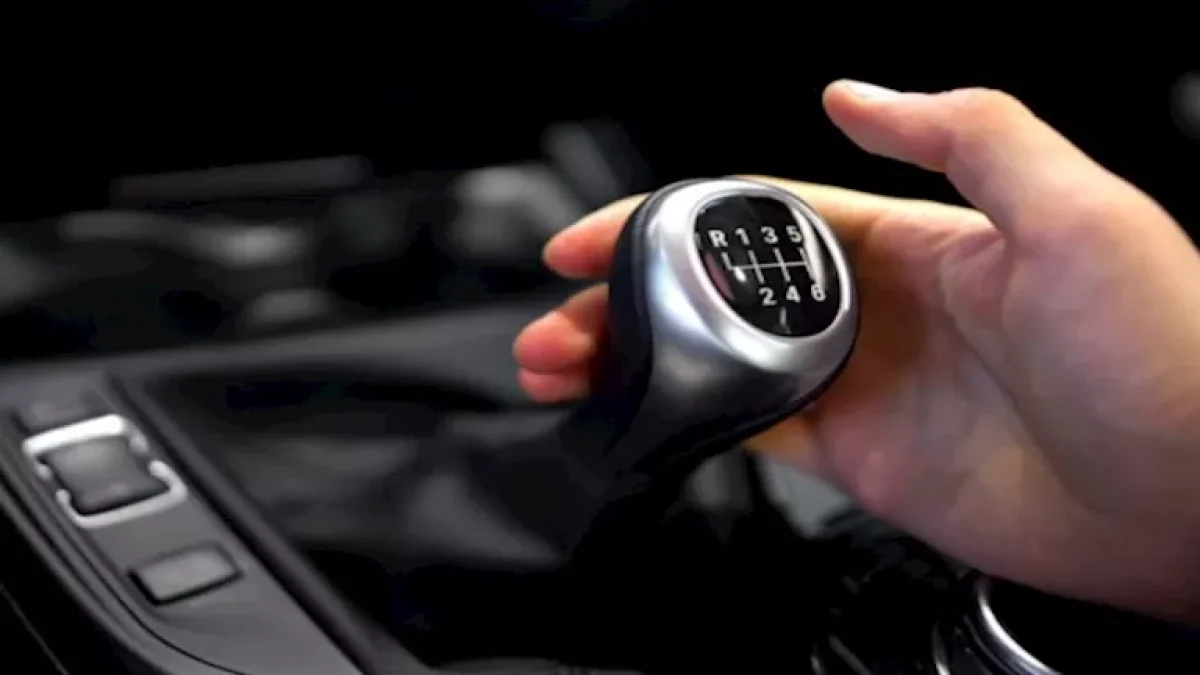
Dry vs Wet DCT: What's the Difference and Which Is Better in Traffic?
DCT transmissions are divided into dry and wet types, with the key difference being clutch cooling. Dry is lighter and simpler but suffers from heat in heavy traffic, while wet is oil-immersed and handles high torque and harsh conditions. In traffic, wet is practically better but requires specific oil and regular maintenance. The choice depends on driving habits and maintenance commitment.
Dual-clutch transmissions (DCT) come in two main types: Dry and Wet. The core difference lies in how the clutch is cooled and lubricated during operation. This subtle distinction makes a big difference in performance and maintenance, especially as more new models adopt this technology in the new cars market locally and globally.
What Is a DCT?
A DCT uses two clutches — one handles a set of gears while the other manages a different set — allowing the next gear to be pre-selected before the shift completes. The result: shorter shift times and faster response. This clever design has made DCT a favorite in both sporty and economy cars. But the question always arises: does it suit traffic conditions? The answer depends on the type.
Dry DCT: Lightweight but Struggles in Traffic
In this type, the clutch isn't immersed in oil; it operates dry, relying on air and specialized materials to dissipate friction heat. Being called dry doesn't mean the entire transmission is oil-free — gears and other internal components may still have lubricants based on the design. Dry DCTs typically offer lower weight, simpler design, and good power transfer efficiency. But friction heat can be a bigger challenge under repeated stop-and-go driving. This is where choosing the right car for your driving style matters, especially if you drive a used car with a dry DCT in Cairo or other congested cities.
Wet DCT: Better Cooling and Higher Torque
In the wet type, the clutch is submerged in oil, which cools, lubricates, and reduces friction heat. This approach allows greater capability to handle high torque and harsh operating conditions, so wet clutches are used in many Mercedes and BMW models with powerful engines. But wet DCT requires oil with specific manufacturer specifications and adherence to maintenance schedules. Neglecting maintenance or using the wrong oil can affect transmission performance. Many owners of Hyundai and Kia models equipped with DCT know well that regular servicing is key to transmission longevity.
Which Is Better in Traffic?
The direct answer: wet is more durable in traffic. Why? Because oil disperses heat better, preventing clutch overheating during continuous stop-and-go. Dry DCT may suffer from excessive heat under intense use, potentially shortening clutch life and causing vibrations. But that doesn't make dry DCT bad — it's an economical choice suitable for smooth driving on open roads. If you drive a Toyota or any car with a dry DCT in daily traffic, you may need to drive more cautiously and avoid repeated aggressive acceleration. Wet DCT offers more peace of mind in congestion with regular maintenance.
The practical takeaway: dry is light, simpler, and cheaper, but needs less demanding driving conditions. Wet is heavier, more complex, and requires precise maintenance, but handles traffic and high torque. Choose based on your daily usage — because the real difference shows after thousands of kilometers.
Frequently Asked Questions
3 questions answered
Related News
View All News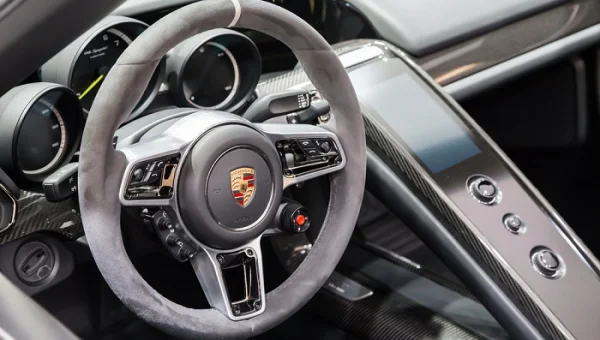
Porsche Patents Dual-Clutch Gearbox That Mimics Manual Feel with Electronic Clutch Pedal
Porsche has patented a dual-clutch transmission system that mimics manual driving with an electronic clutch pedal and shift lever. The system allows full automatic driving or manual-like shifting without mechanical…
Before Changing Engine Oil: Key Steps to Pick the Right Type for Your Car
Drivers in Egypt often struggle to pick the right engine oil amid a confusing mix of viscosity grades and brands. The key step is checking the owner's manual for the…

Google Maps Saves Your Parking Spot with One Tap
Google Maps offers a save parking location feature for Android and iPhone users. On Android, you can manually save your spot by tapping the blue dot and selecting save parking.…
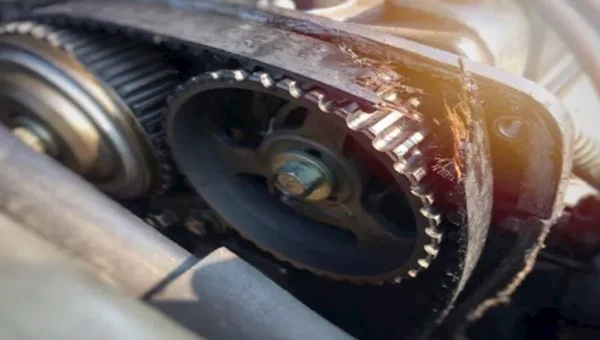
Timing Belt Snaps While Driving? 5 Steps That Save Your Engine from Destruction
A timing belt failure while driving stops the engine instantly and can destroy valves and pistons if the driver attempts a restart. The correct response is steering to a safe…

Ethanol: Does It Really Boost Your Car's Power or Harm the Engine?
Ethanol is an alcohol used in some fuel blends to raise octane and improve combustion, but it's not a magic power booster for all engines. Its effect depends on engine…