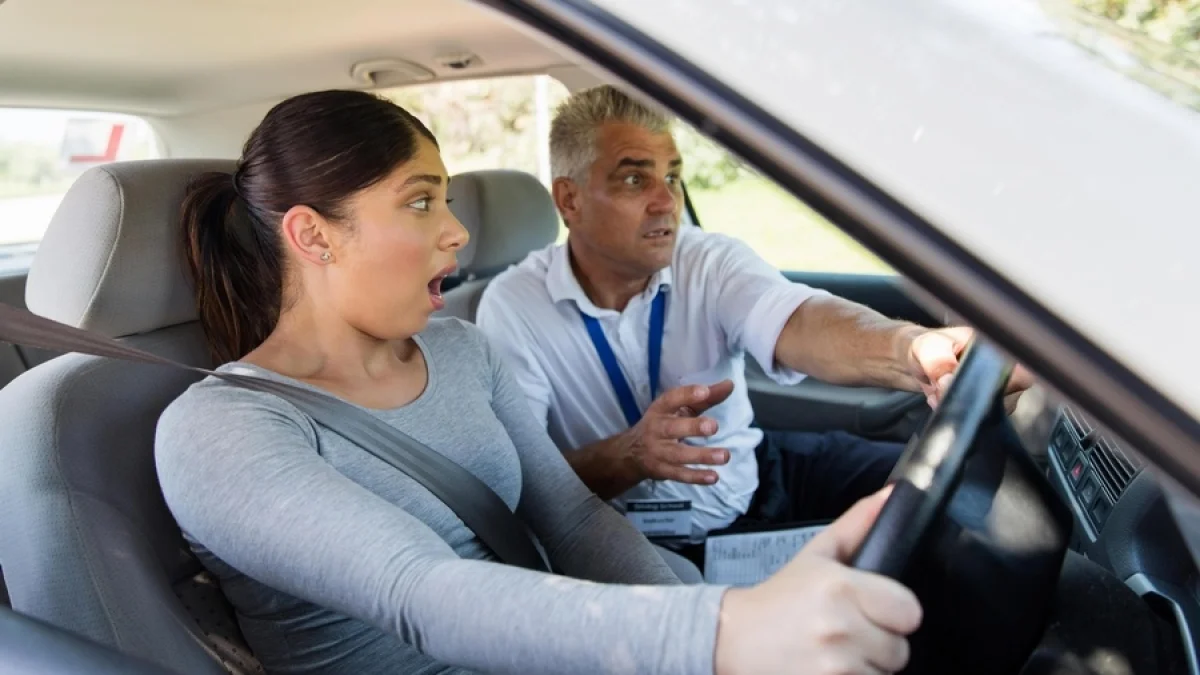
AI Solves the Hardest Problem for Women: Parking Made Easier
Artificial intelligence now helps drivers solve the problem of parking in tight spaces through advanced systems combining cameras and sensors. These systems offer steering assistance and full control over acceleration and braking during parking maneuvers. NHTSA confirms these technologies don't make cars fully self-driving, keeping responsibility on the driver. A new study proposed an advanced framework for automated parking in complex environments.
Does parallel parking in a tight spot still make your heart race? Artificial intelligence is now offering a real solution, as modern cars have become capable of seeing surrounding space, analyzing it with precision, and executing the entire parking maneuver without much driver input — a breakthrough that matters to every driver who dreads this daily challenge.
How Does the Car See What the Eye Cannot?
Advanced parking systems rely on a combination of cameras and sensors that monitor vehicles, obstacles, and parking space edges, then use this data to determine the optimal path. Some systems only assist with steering input, while more sophisticated ones take full control of acceleration, brakes, and steering during the parking process, ending years of frustration in crowded parking lots.
Official Support from Traffic Safety Authorities
The National Highway Traffic Safety Administration (NHTSA) confirmed that assistive technologies for reversing and parking now include rear cameras, cross-traffic alert behind the vehicle, and automatic braking when a collision risk is detected. These systems are no longer luxury items but essential safety features in most new cars arriving at global and Middle Eastern markets in recent years.
From Automatic Parking to Full Environment Understanding
The new wave of technology doesn't just move the steering wheel automatically; the latest systems analyze the surrounding environment and choose the appropriate parking strategy even in complex spaces with moving obstacles. A 2026 study published in Robotics and Autonomous Systems proposed an advanced automated parking framework that combines awareness of surrounding moving objects, behavior prediction, and planning multiple strategies to find a safer, more efficient path in difficult environments.
Important Advice: Don't Let the Car Think Alone
Despite all this major technical progress, having smart parking doesn't mean the driver can ignore what's happening around the vehicle, and NHTSA stresses that current assistive technologies don't make the car fully self-driving, keeping control and attention responsibility firmly on the driver no matter how advanced the system becomes. More importantly, a 2025 study on automated parking assistance found that driver understanding of how the system works directly affects their ability to use it safely, and practical training remains essential to avoid errors or misjudging the limits of these intelligent technologies.
Parking may indeed become less stressful in the coming years, but artificial intelligence here doesn't eliminate driver skill or the need for training — it provides an extra pair of eyes and a helping electronic hand when space gets tight and pressure builds up in parking lots.
Frequently Asked Questions
3 questions answered
Related News
View All News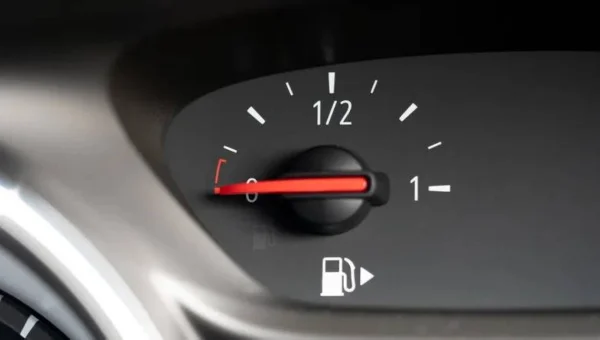
Fuel Warning Light Isn't Just a Reminder: What Your Car Loses When You Drive on Empty
Repeatedly driving on empty puts extra stress on the fuel pump, which relies on surrounding gasoline to stay cool. Low fuel levels cause the pump to run hotter, shortening its…
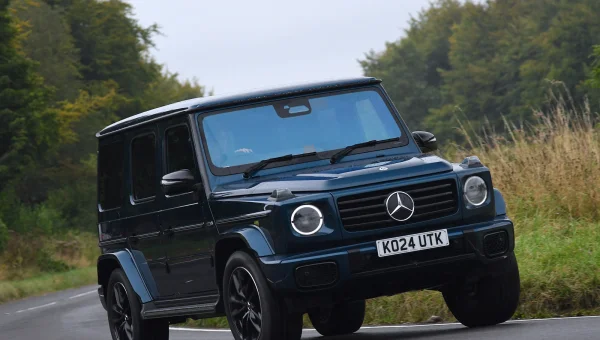
Mercedes G-Class Could Learn to Swim: Patent Reveals Floating System for Electric Version
A new patent reveals a buoyancy system for the Mercedes G-Class Electric that allows it to stay on the water surface and move across it. The system uses inflatable or…
Automotive Expert Warns: Large Screens May Delay Driver Decisions in Critical Moments
Tony Latif, an electric vehicle expert, warned that advanced touchscreens in modern cars can slow driver response in critical moments such as dimming high beams. Speaking on the "Arabity" program,…
Hisham El-Zeiny Warns: Advanced Technology Could Turn Modern Cars into a 'Moving Coffin'
Egyptian broadcaster Hisham El-Zeiny has warned that advanced technology in modern cars can become a 'moving coffin' when a sudden power failure occurs. He cited the recall of nearly 4…
Why Sports Cars Swear by Dual-Clutch Transmissions
This article explains the mechanics behind the dual-clutch transmission (DCT), a technology favored in sports cars from Porsche, Volkswagen, and Hyundai. The system uses two clutches to pre-select gears, enabling…