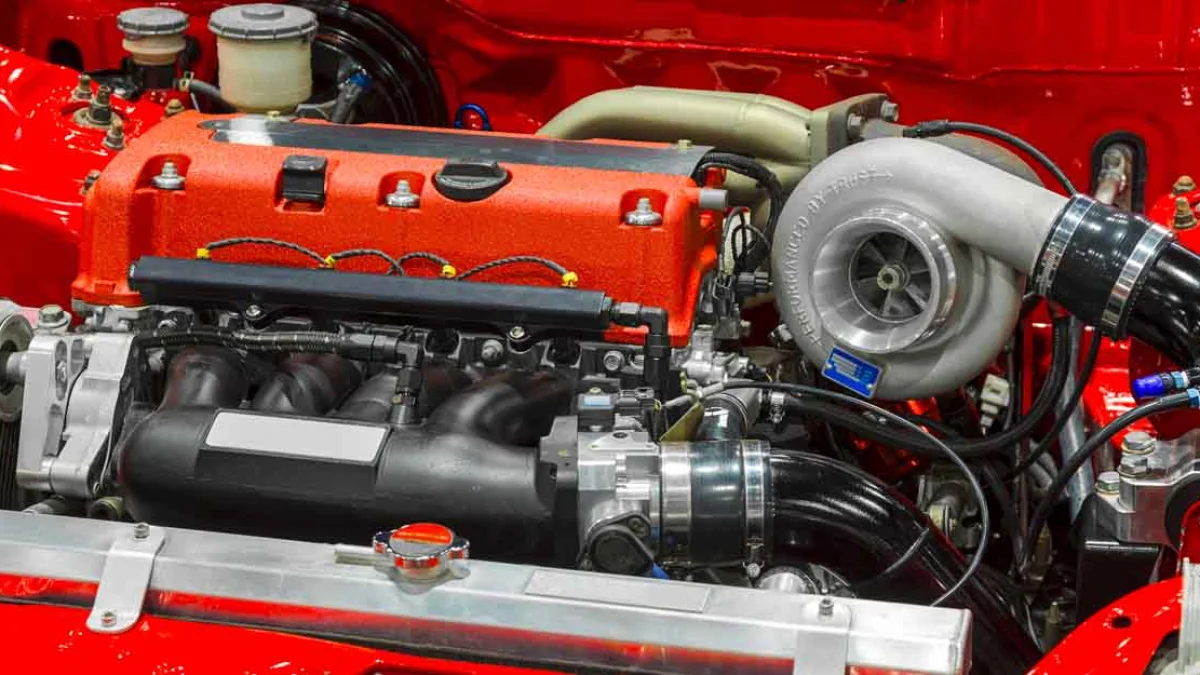
Does a Turbocharger Shorten Engine Life? Expert Explains the Facts
Many vehicle owners believe that turbocharged engines wear out faster than naturally aspirated engines because they operate under higher temperatures and increased pressure. However, automotive specialists say this common belief does not reflect the technical reality. Modern turbocharged engines are engineered from the outset to withstand the additional operating demands created by forced induction without reducing engine longevity, provided the vehicle is maintained and operated according to the manufacturer's recommendations.
Engineering Designed for Turbocharged Performance
Automotive spare parts expert Moataz Gaber stated that a turbocharger does not reduce an engine's service life, describing the claim as one of the most widespread misconceptions among drivers. He explained that turbocharged engines are specifically engineered to handle higher operating pressures and rely on the electronic control unit (ECU) to manage boost pressure and regulate engine performance within safe operating limits. He also noted that these engines use a highly efficient lubrication system with engine oil that meets the manufacturer's specified standards, ensuring proper protection for both the engine's internal components and the turbocharger.
Performance Benefits and the Real Causes of Engine Wear
According to Gaber, a turbocharger compresses the air entering the combustion chambers, improving combustion efficiency while increasing horsepower and torque. It also enhances fuel efficiency compared with conventional engines of similar displacement. These advantages are among the key reasons why automakers continue to adopt turbocharging technology across a growing number of modern vehicles while maintaining performance and efficiency targets.
He emphasized that premature engine wear is generally not caused by the presence of a turbocharger. Instead, it is typically the result of improper use or neglected maintenance, including using engine oil that does not meet the required specifications, delaying scheduled oil changes, or driving aggressively before the engine reaches its optimal operating temperature. He added that shutting the engine off immediately after heavy driving or towing, without allowing the turbocharger sufficient time to cool when recommended by the manufacturer, can also affect the system's efficiency.
Gaber stressed the importance of following the manufacturer's maintenance guidelines, using the recommended engine oil, performing scheduled servicing on time, and avoiding excessive engine load while the engine is still cold. He concluded that these practices are essential for preserving both engine and turbocharger performance over the long term. Ultimately, he reaffirmed that a turbocharger is not responsible for shortening engine life, and that proper maintenance combined with correct driving habits remains the decisive factor in ensuring reliable performance for many years.
Related News
View All News
Signs of Spark Plug Failure in Your Car Engine — When to Replace Them
Spark plugs are essential engine components, and their failure causes difficulty starting, engine vibration, poor acceleration, and increased fuel consumption. Other signs include an illuminated check engine light and exhaust…

Your Complete Guide to Maintaining Car Tires as Winter Temperatures Drop
As winter approaches and temperatures fall, car tires need extra care to maintain grip and safety. Regular pressure checks, tread depth inspection, crack monitoring, and wheel alignment are essential steps.…

From Paper to Pavement: Inside the Making of a New Car
Developing a new car begins in the design studio with initial sketches that become a 3D digital model and then a full-size clay model. Engineering teams work in parallel to…

Tesla Drops 'Self-Driving' Name in Europe, Calls It 'Driver Assistant'
Tesla has renamed its 'Autopilot' system to 'Tesla Driver Assistant' in Europe after misleading claims. This change follows legal disputes and a retreat from full self-driving promises. In the U.S.,…

Chery Tiggo 9 CSH Survives Brutal Safety Tests: Saltwater Immersion and Underbody Impacts
Chery conducted extreme safety tests on the Tiggo 9 CSH, including a 24-hour saltwater immersion of its high-voltage battery and an underbody scraping test against a solid obstacle. Results showed…