CVT Transmission: Not Always a Nightmare, But Neglect Can Turn It Into a Costly Headache
The continuously variable transmission (CVT) has become a staple in many modern vehicles, particularly in economy and family cars, thanks to its ability to reduce fuel consumption and deliver smooth city driving. Despite these advantages, a significant number of buyers still approach CVT-equipped cars with caution, often preferring to avoid them altogether when purchasing a new or used vehicle. What are the real reasons behind this mixed reputation?
How CVT Differs from Traditional Transmissions
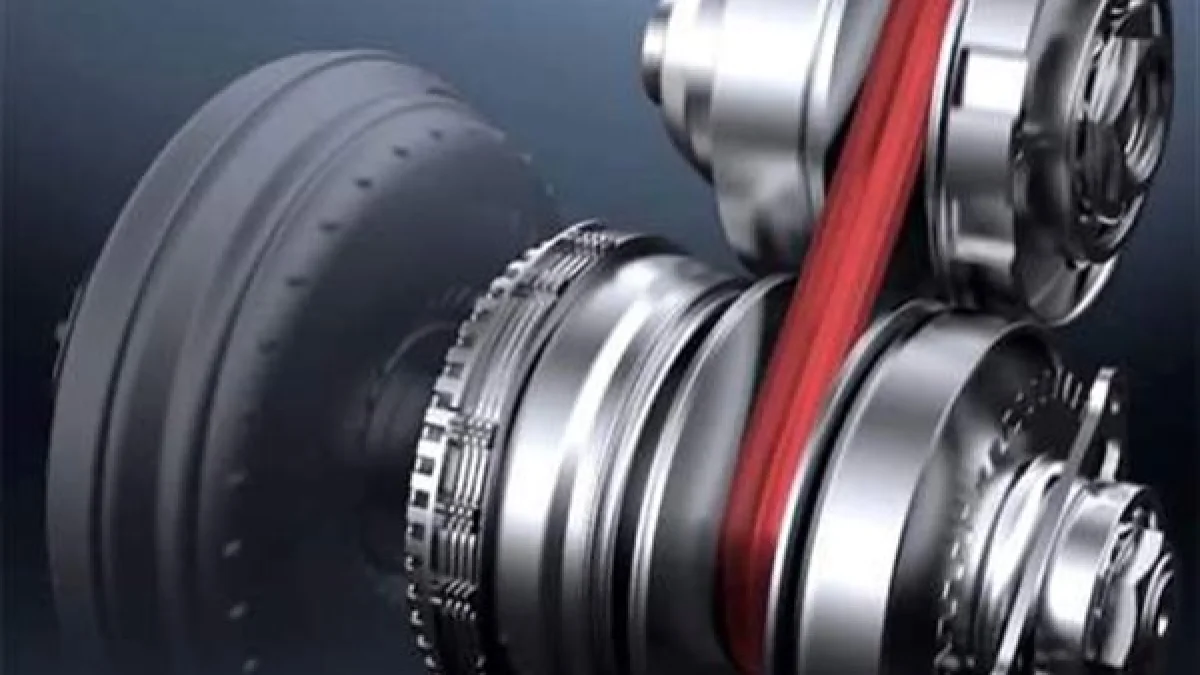
The core concern lies in the nature of how a CVT operates. Unlike a traditional automatic transmission that uses a fixed set of gears, a CVT relies on a complex system of pulleys and a steel belt or chain to continuously vary the gear ratio. This design provides seamless acceleration and keeps the engine running in its most efficient power band. However, this same feature creates certain drawbacks that don't suit every driver, especially those accustomed to the feel of traditional gear shifts.
The Cost of Repairs: A Budget Nightmare
The first fear for any buyer considering a CVT-equipped car is the cost of a major repair. In many cases, a partial repair is neither easy nor guaranteed to be effective, and the situation often escalates to replacing the entire transmission or swapping out very expensive components. The problem is amplified in the used car market, where a buyer rarely knows the previous owner's driving habits, maintenance schedule, or the type of transmission fluid used. These factors are critical to the lifespan of a CVT. Neglecting to change the CVT fluid or using the wrong specification can lead to belt and pulley failure, which is almost always a costly fix.
Engine Noise and the "Rubber Band" Effect
One of the most common complaints about CVT vehicles is the so-called "rubber band" effect. When the driver presses hard on the accelerator, the engine revs up noticeably, but the car doesn't respond with the same immediate surge of acceleration. This sensation can make drivers feel the car isn't moving with the required force or that there's a problem with the transmission. In reality, it's a characteristic of the CVT's operation, which holds the engine at a specific RPM to achieve optimal fuel efficiency. This phenomenon can be off-putting for those seeking a more responsive driving experience.
Aggressive Driving: The CVT's Worst Enemy
A CVT is ideally suited for calm, city driving and regular road use, but it is not the preferred choice for those who enjoy a sporty driving style, rapid acceleration, or frequent heavy towing. Repeated, hard throttle inputs or using the car for hauling heavy loads can cause the transmission temperature to spike, putting excessive stress on the internal belt and pulleys. Over time, this can significantly shorten the transmission's lifespan. This is precisely why most high-performance cars, serious off-road 4x4s, and heavy-duty towing vehicles avoid CVTs in favor of more robust systems capable of handling higher torque and heat.
Maintenance: A Non-Negotiable Requirement
A key reason for buyer hesitation is that a CVT simply cannot tolerate maintenance neglect. Unlike a traditional automatic, which might endure long intervals between fluid changes, a CVT demands strict adherence to the manufacturer's recommended service schedule. Regularly changing the CVT fluid with the exact type and specification required is crucial for ensuring efficient operation and avoiding expensive breakdowns. If you are considering a used car with a CVT, verifying a complete and documented service history is an essential step that cannot be overlooked.
Related News
View All News
Signs of Spark Plug Failure in Your Car Engine — When to Replace Them
Spark plugs are essential engine components, and their failure causes difficulty starting, engine vibration, poor acceleration, and increased fuel consumption. Other signs include an illuminated check engine light and exhaust…

Your Complete Guide to Maintaining Car Tires as Winter Temperatures Drop
As winter approaches and temperatures fall, car tires need extra care to maintain grip and safety. Regular pressure checks, tread depth inspection, crack monitoring, and wheel alignment are essential steps.…
From Paper to Pavement: Inside the Making of a New Car
Developing a new car begins in the design studio with initial sketches that become a 3D digital model and then a full-size clay model. Engineering teams work in parallel to…

Tesla Drops 'Self-Driving' Name in Europe, Calls It 'Driver Assistant'
Tesla has renamed its 'Autopilot' system to 'Tesla Driver Assistant' in Europe after misleading claims. This change follows legal disputes and a retreat from full self-driving promises. In the U.S.,…

Chery Tiggo 9 CSH Survives Brutal Safety Tests: Saltwater Immersion and Underbody Impacts
Chery conducted extreme safety tests on the Tiggo 9 CSH, including a 24-hour saltwater immersion of its high-voltage battery and an underbody scraping test against a solid obstacle. Results showed…