Coolant Color Guide: Green vs Red – Which Is Best for Your Engine?
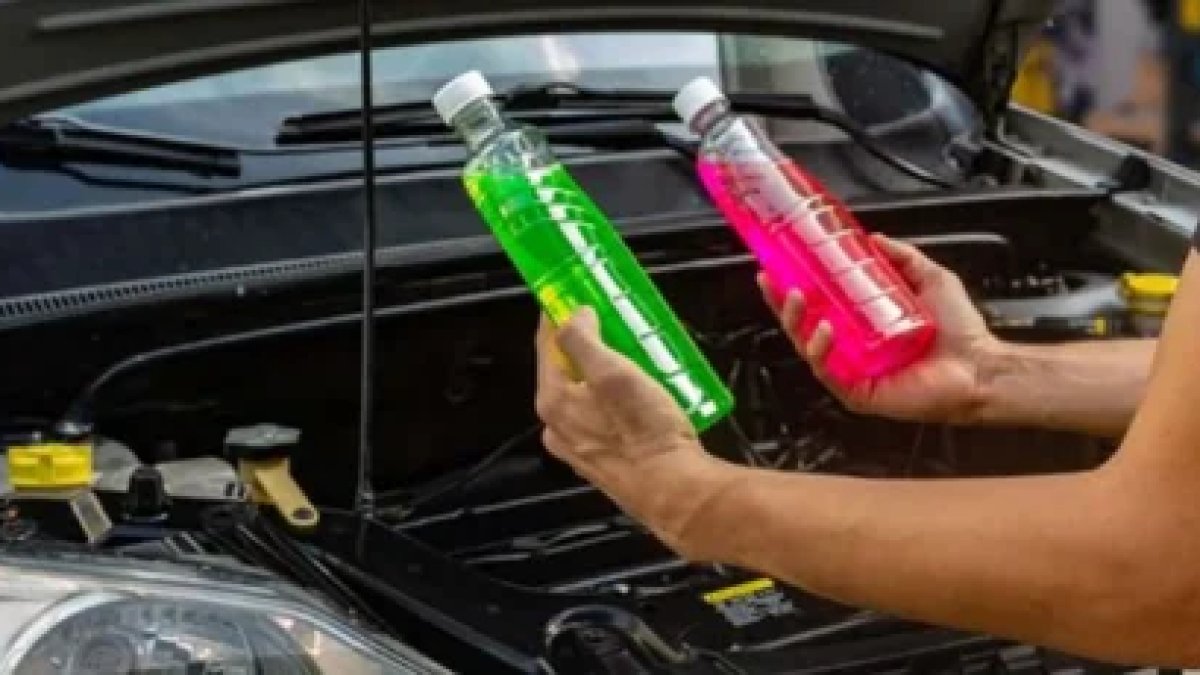
There is an ongoing debate among car owners about which coolant is better: green or red. Choosing the right coolant is essential to prevent engine damage. The color difference is not just cosmetic—it reflects a distinct chemical composition that affects performance and longevity.
Why Coolant Matters
Coolant, also known as antifreeze, regulates engine temperature, preventing overheating in hot weather and freezing in cold conditions. It protects internal components from corrosion. Coolant is typically made from ethylene glycol or propylene glycol, combined with anti-corrosion additives and thermal stabilizers.
The Danger of Using Plain Water
Many drivers use plain water as a substitute, but this is a poor choice. Tap water contains high levels of minerals and impurities that accumulate in the radiator, leading to rust and corrosion over time. Unlike colored coolants, plain water boils and freezes quickly, making it unsuitable for extreme conditions.
Green Coolant
Green coolant consists of water and chemical compounds that cool the engine efficiently without reacting with metal components. It is free of salts and impurities, preventing rust, and has a boiling point of 120°C, making it ideal for high temperatures. It is commonly used in older vehicles, but its lifespan is relatively short.
Red Coolant
Red coolant shares the same purity as green coolant but adds antifreeze properties and lacks silicates, which can cause corrosion. It is based on propylene glycol, making it more suitable for modern or large vehicles, as well as aluminum radiators, due to its ability to protect sensitive metal parts. Its lifespan is longer than that of green coolant.
Blue Coolant
Blue coolant contains ethylene glycol and is recommended for copper radiators or any metal other than aluminum. It should be replaced every 24 months or 50,000 km.
When to Replace Coolant
Red coolant should be replaced every 4 to 5 years, green coolant every 2 to 3 years, and blue coolant every 24 months or 50,000 km.
Can You Mix Coolant Colors?
Mixing different coolant colors is not recommended, as the chemical reaction can damage engine components.
Related News
View All News
Key, Gauges, and Mirrors: Familiar Car Details That May Vanish from Your Next Vehicle
Modern cars are rapidly going digital, and traditional features drivers have used for decades are gradually disappearing. Analog instrument clusters are being replaced by screens, start buttons are giving way…
Batteries, Fuel Cells, or Hydrogen Combustion? 3 Technologies Racing for the Future of Cars
Three technologies are competing for the future of automobiles: battery electric vehicles, hydrogen fuel cells, and hydrogen combustion engines. Global EV sales surpassed 20 million units in 2025, roughly a…
Best Engine Oils for Your Car in Summer
As summer temperatures rise, choosing the right engine oil becomes critical to protect your car's engine. Experts recommend full synthetic multi-grade oils like 5W-30 or 10W-40. Trusted brands such as…

Over 1 Billion Connected Cars by 2035 — Can Mobile Networks Keep Up?
Omdia Research projects that connected cars using cellular networks will exceed 1.05 billion by 2035, up from 473.7 million in 2025. The study warns that 4G shutdowns expected from 2030…
Don't Turn Off Your Car's AC This Winter — Experts Explain Why
Germany's TÜV NORD inspection authority recommends running your car's air conditioning at least once a week for 10 minutes, even in cold weather. Regular operation keeps compressor oil and seals…