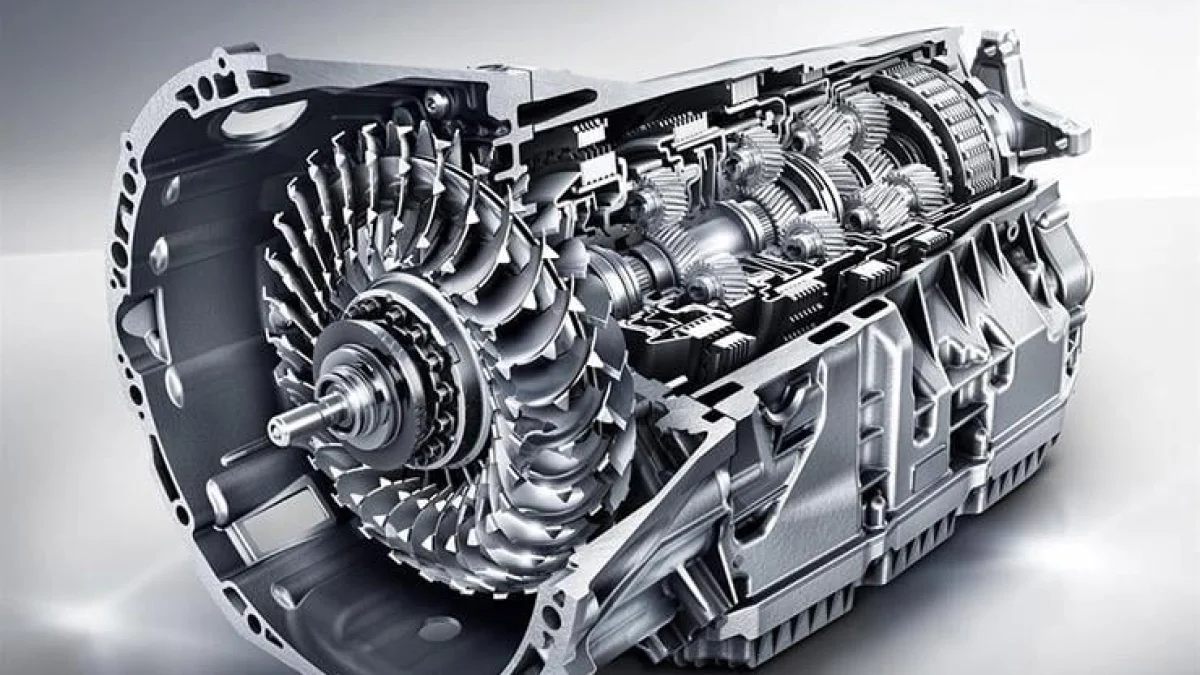
Don't Kill Your Car's Transmission: Daily Mistakes That Could Cost You Thousands
The automatic transmission is one of the most convenient components in a modern vehicle, but it is also one of the most sensitive and expensive to repair when it fails. Most transmission problems do not occur suddenly; they result from repeated driving mistakes and neglected maintenance habits. To keep your automatic gearbox running efficiently for as long as possible, drivers need to handle it with care and follow a few simple rules that can save thousands of pounds in costly repairs.
Transmission Fluid Is Your First Line of Defense
Transmission fluid is not just a lubricant; it also helps with cooling, reducing friction, and ensuring smooth gear shifts. That is why it must be changed at the intervals recommended by the manufacturer, using only the specified type. Using the wrong fluid or delaying its replacement can lead to rough shifting, overheating, and internal wear. This is especially critical for vehicles like Toyota or Hyundai, which rely heavily on fluid quality for transmission longevity.
Never Shift Before the Car Has Fully Stopped
A common mistake is shifting from Drive (D) to Reverse (R) or vice versa before the vehicle comes to a complete stop. This action places enormous stress on the transmission components and can eventually lead to expensive internal damage. The best practice is to stop completely, then shift gears gently. This habit is particularly important in modern cars like the Nissan Sunny or Kia Pegas, which have sensitive transmissions that react poorly to abrupt changes.
Stop-and-Go Traffic Doesn't Mean Keep It in Drive
When waiting for long periods at traffic lights or in heavy congestion, it is better to shift to Neutral (N) while keeping your foot on the brake or engaging the handbrake, rather than leaving the car in Drive for an extended time without moving. This reduces pressure and heat buildup inside the transmission system, especially in hot climates and prolonged traffic jams. Drivers of vehicles like Chevrolet or Renault will notice improved transmission performance when following this advice.
Aggressive Driving Shortens Transmission Life
Sudden acceleration, hard braking, and repeated stress on the vehicle on rough roads or steep inclines all negatively affect the automatic transmission. Smooth driving not only saves fuel but also protects the gearbox, engine, and suspension system. In SUVs like the Haval H6 or Chery Tiggo 7 Pro, aggressive driving can accelerate wear on transmission components, leading to premature failure.
Overloading Is a Hidden Enemy
Loading the vehicle beyond its capacity or using it to tow other vehicles without proper preparation puts significant strain on the transmission, especially when climbing hills or driving long distances. Repeated overloading can cause overheating, jerking, or delayed gear shifts. While vehicles like Mitsubishi or the Nissan Pick-up are built to handle more stress, they are not immune to damage from excessive loads over time.
Listen for Unusual Noises and Vibrations
Any strange noise, vibration, delayed shifting, or jerking when moving off deserves an immediate inspection. Ignoring these warning signs can turn a minor issue with fluid or sensors into a major transmission failure. Timely diagnosis can save you thousands of pounds, especially in luxury cars like Mercedes or BMW, where repair costs are significantly higher.
Related News
View All News
Signs of Spark Plug Failure in Your Car Engine — When to Replace Them
Spark plugs are essential engine components, and their failure causes difficulty starting, engine vibration, poor acceleration, and increased fuel consumption. Other signs include an illuminated check engine light and exhaust…

Your Complete Guide to Maintaining Car Tires as Winter Temperatures Drop
As winter approaches and temperatures fall, car tires need extra care to maintain grip and safety. Regular pressure checks, tread depth inspection, crack monitoring, and wheel alignment are essential steps.…
From Paper to Pavement: Inside the Making of a New Car
Developing a new car begins in the design studio with initial sketches that become a 3D digital model and then a full-size clay model. Engineering teams work in parallel to…

Tesla Drops 'Self-Driving' Name in Europe, Calls It 'Driver Assistant'
Tesla has renamed its 'Autopilot' system to 'Tesla Driver Assistant' in Europe after misleading claims. This change follows legal disputes and a retreat from full self-driving promises. In the U.S.,…

Chery Tiggo 9 CSH Survives Brutal Safety Tests: Saltwater Immersion and Underbody Impacts
Chery conducted extreme safety tests on the Tiggo 9 CSH, including a 24-hour saltwater immersion of its high-voltage battery and an underbody scraping test against a solid obstacle. Results showed…