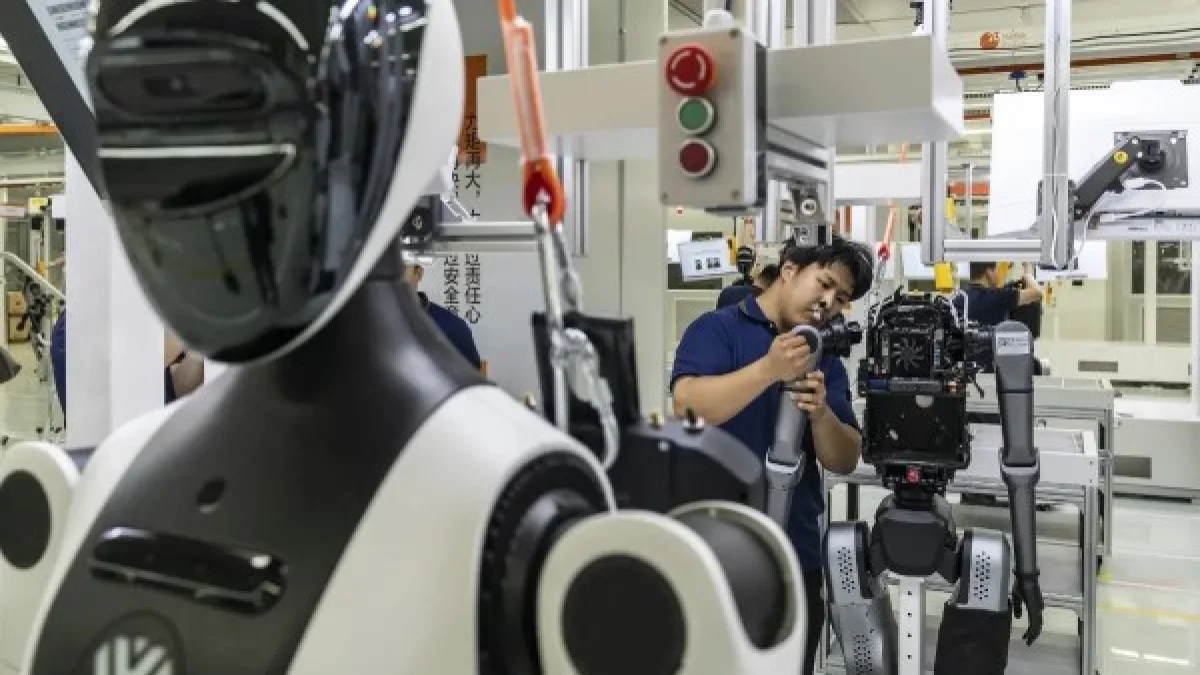
China Sweeps Humanoid Robot Market with 97% of Global Shipments
Chinese companies captured more than 97% of global humanoid robot shipments in the first half of 2026. Worldwide shipments hit roughly 19,100 units, up from about 5,100 in the same period of 2025. Agibot led all suppliers with a 44% share after shipping about 8,400 robots. Smart Analytics Global expects shipments to reach 500,000 units by 2030, reinforcing China's dominance in the sector.
The number stuns on first read. Chinese firms captured over 97% of all global humanoid robot shipments in the first half of 2026, cementing near-total dominance in one of the most closely watched technology sectors. The market has shifted decisively.
A Historic Surge in Global Shipments
Worldwide shipments of humanoid robots reached roughly 19,100 units in the first six months of 2026, up from about 5,100 units in the same period of 2025. That more-than-threefold jump reflects surging global demand and massive production scale-up, particularly from Chinese factories now flooding international markets with these units. Demand is no longer confined to research labs.
But what does that figure mean over the long run? Smart Analytics Global expects full-year 2026 shipments to hit around 60,000 units, with growth continuing to roughly 500,000 units by 2030. That trajectory confirms the sector is moving from experimentation into full commercial production, with new entrants and expanding applications across manufacturing, logistics, and healthcare.
Agibot Leads with a 44% Share
At the company level, China's Agibot topped the global supplier ranking with a 44% share of total shipments after delivering about 8,400 robots in the first half of the year. That single share exceeds the combined shipments of all non-Chinese vendors, underscoring the competitive gap built in just a few years.
The gap is real. While US and European firms race to develop costly prototypes, Tesla and other Western players managed only limited volumes, collectively under 3% of global shipments. That competitive lag raises serious questions about the West's ability to catch up in a market projected to be worth tens of billions of dollars over the next decade. The race is on.
What It Means for the Auto Industry
On factory floors worldwide, humanoid robots are already appearing as assistants on assembly lines, linking China's rise directly to the future of vehicle production at Toyota, Volkswagen, and other automotive giants. Chinese dominance over robot components — from precision motors to sensors — could give Beijing new leverage across global industrial supply chains, much as it did in the EV battery sector.
These figures expose the widening gap between Chinese firms and their rivals in the humanoid robot market, as China entrenches its lead in an industry expected to expand significantly in coming years, driven by higher output and advancing technology applications. The real question is no longer whether China will lead this sector, but how far that dominance will reach. The numbers speak.
Frequently Asked Questions
3 questions answered
Related News
View All News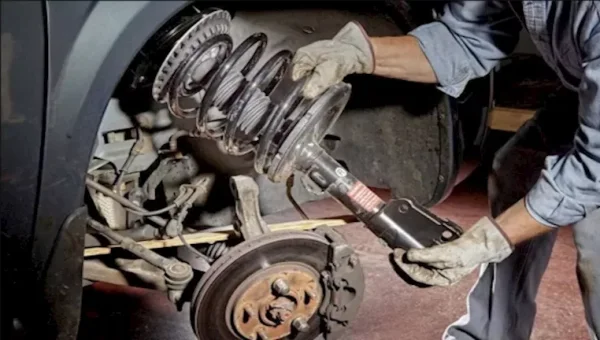
When Should You Replace Your Car's Shock Absorbers? 5 Signs You Can't Ignore
Shock absorbers are a core part of the suspension system, responsible for damping impacts and keeping the car stable. Five key signs indicate they are failing: unusual vibration, repeated bouncing…
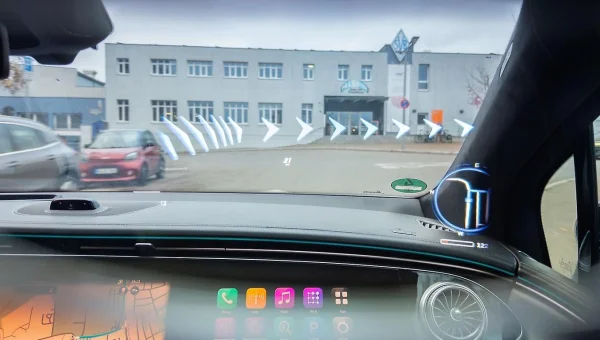
Mercedes Unveils Holographic Windshield Display Invisible to the Driver
Mercedes-Benz has revealed its Holo Display technology that turns the windshield into a holographic screen showing personalized content for each occupant. The system uses a small projector and a transparent…

LUXEED Unveils SIVP Smart Parking System: Centimeter-Accurate Self-Parking and Remote Retrieval
LUXEED unveiled its Super Intelligent Valet Parking (SIVP) system at a global media test-drive event on October 20. The system supports fully autonomous parking and remote vehicle retrieval via mobile…
AI Is Stealing Car Chips: Aumovio Warns of Sharp Cost Increases
The automotive industry faces a new threat: a shortage of legacy semiconductors as chipmakers redirect production toward AI data center components. Nexperia interim CEO Stefan Tilger confirmed competitors have shifted…
European Test Reveals: Tesla's Full Self-Driving Reads Traffic Signs Then Ignores Them
A European test by Belgian safety organization Johanna.be found that Tesla's Full Self-Driving system committed traffic violations over 400 kilometers in Brussels. The system exceeded the speed limit on 55%…