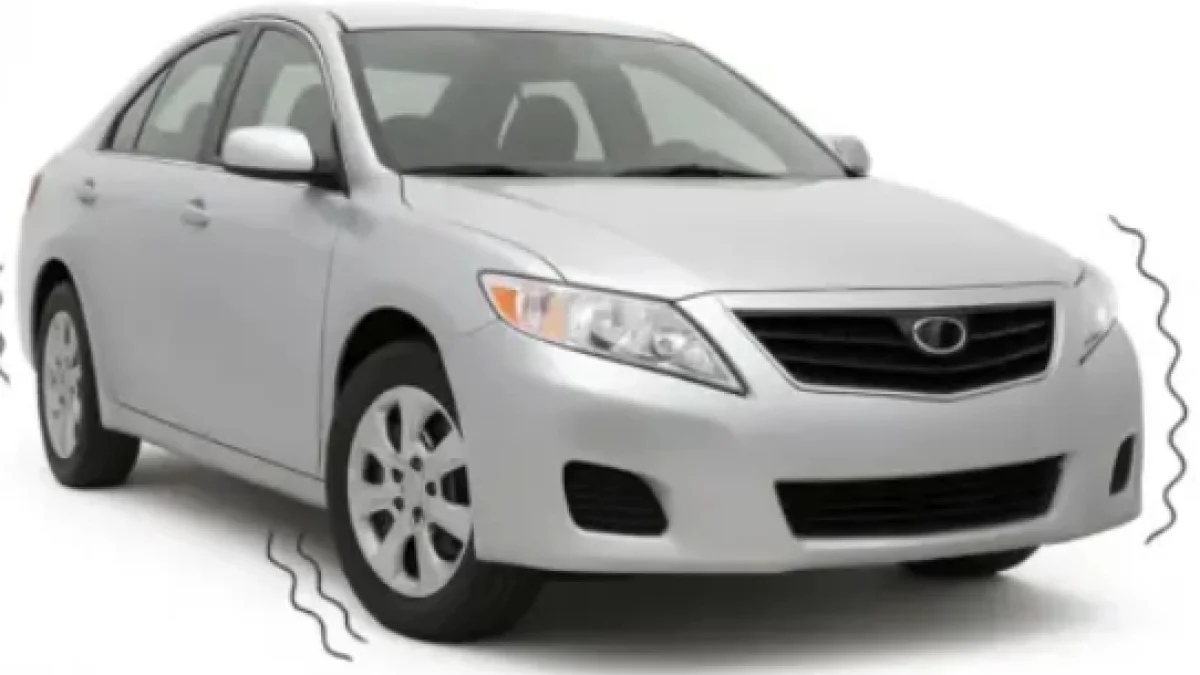
Why Your Car Vibrates When Stopped: Common Causes Explained
Many drivers experience a shaking or vibration in their car when coming to a stop, a problem that may seem minor at first but can quickly escalate into a serious mechanical issue. Ignoring this trembling can lead to costly repairs and significantly impact the driving experience. In this report, we explore the most common causes behind car vibration when idle, based on accurate technical analysis.
Common Mechanical Causes of Car Shaking at Idle
The reasons behind a car vibrating when stopped are numerous, with faulty spark plugs being the most frequent culprit. When spark plugs are worn or damaged, fuel combustion inside the engine becomes irregular, causing noticeable shaking when the vehicle is stationary. This also leads to reduced engine performance and higher fuel consumption, signaling the need for immediate inspection and replacement.
Another equally important cause is dirt accumulation in the throttle body or a clogged air filter. When airflow to the engine is restricted due to a blocked filter, the air-fuel mixture becomes unbalanced, resulting in incomplete combustion and visible vibrations. Regularly cleaning and replacing the air filter prevents this issue and enhances engine efficiency.
Fuel System Problems and Their Impact on Engine Stability
The issue isn't limited to air and ignition; it extends to the fuel system as well. A clogged fuel filter or a failing fuel pump reduces the amount of fuel reaching the engine, leading to weak combustion and engine instability. This malfunction causes a noticeable shake when the car stops, especially in advanced stages. It is advisable to inspect the fuel filter during routine maintenance to avoid such problems.
Damaged Engine Mounts and Faulty Sensors
Engine mounts are designed to absorb the vibrations produced by the engine during operation. When these mounts wear out, vibrations transfer directly to the vehicle's chassis, causing a strong tremor at idle, which intensifies when shifting into Drive (D). This requires immediate mechanical attention, as neglect may lead to more severe damage to the engine and transmission.
Finally, electronic sensors play a critical role in engine stability. A malfunctioning mass airflow sensor or oxygen sensor sends inaccurate data to the car's ECU, disrupting the ideal air-fuel ratio. The result is uneven combustion and vibration when the car is stopped. Using modern diagnostic tools to inspect these sensors ensures early detection of any fault and prevents the issue from worsening.
Related News
View All News
Signs of Spark Plug Failure in Your Car Engine — When to Replace Them
Spark plugs are essential engine components, and their failure causes difficulty starting, engine vibration, poor acceleration, and increased fuel consumption. Other signs include an illuminated check engine light and exhaust…

Your Complete Guide to Maintaining Car Tires as Winter Temperatures Drop
As winter approaches and temperatures fall, car tires need extra care to maintain grip and safety. Regular pressure checks, tread depth inspection, crack monitoring, and wheel alignment are essential steps.…

From Paper to Pavement: Inside the Making of a New Car
Developing a new car begins in the design studio with initial sketches that become a 3D digital model and then a full-size clay model. Engineering teams work in parallel to…

Tesla Drops 'Self-Driving' Name in Europe, Calls It 'Driver Assistant'
Tesla has renamed its 'Autopilot' system to 'Tesla Driver Assistant' in Europe after misleading claims. This change follows legal disputes and a retreat from full self-driving promises. In the U.S.,…

Chery Tiggo 9 CSH Survives Brutal Safety Tests: Saltwater Immersion and Underbody Impacts
Chery conducted extreme safety tests on the Tiggo 9 CSH, including a 24-hour saltwater immersion of its high-voltage battery and an underbody scraping test against a solid obstacle. Results showed…