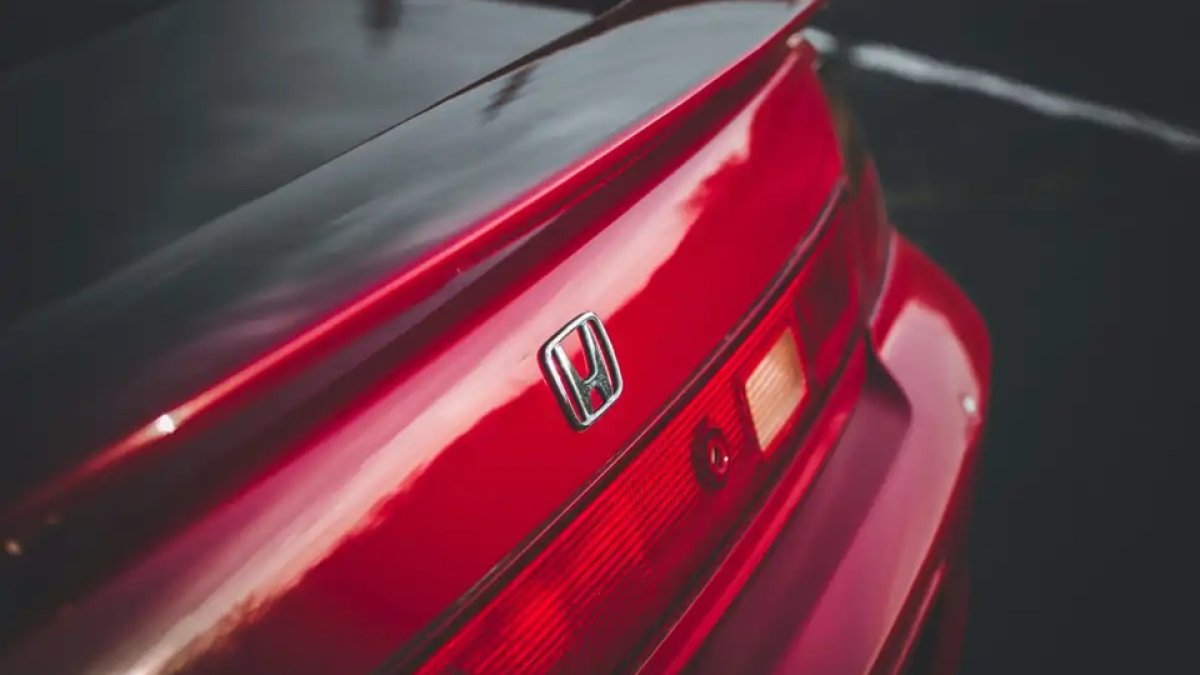
Car Spoilers: More Than Just a Styling Add-On – How They Convert Air into Power and Stability
Many drivers believe that a car spoiler is merely a cosmetic addition that gives the vehicle a more aggressive, sporty look. However, the truth is that this small component plays a significant role in improving stability and dynamic performance, and in some cases, it can even help reduce fuel consumption.
With spoilers becoming increasingly common on sports cars and even some modern economy models, the question arises: Is a spoiler just a design trend, or is it a genuine engineering component with an important function?
How Does a Spoiler Work?
A spoiler works by controlling the airflow around the vehicle, especially at high speeds. While driving, air flows over and under the car, which can create lift and reduce tire grip on the road. The spoiler's role is to 'spoil' this airflow and minimize the lift effect. The result is increased stability and improved tire traction, particularly during high-speed driving or cornering.
Sports Cars Really Need It
In high-performance sports cars, the spoiler is not just a cosmetic feature; it is an essential part of the aerodynamic system. This is why some cars use large, electronically adjustable rear wings to generate downforce. This downforce helps the car stick to the road, enhancing control and stability during aggressive driving.
Does It Reduce Fuel Consumption?
In some cases, yes. A properly engineered spoiler can help improve airflow and reduce aerodynamic drag, which may positively impact fuel economy, especially in cars originally designed with a comprehensive aerodynamic study. However, the effect remains relatively limited in standard vehicles compared to larger factors such as the engine, weight, and driving style.
Aftermarket Spoilers Can Do More Harm Than Good
Automotive experts warn against installing random or oversized spoilers not designed for the specific vehicle, as some can disrupt airflow instead of improving it. Furthermore, cheap add-ons may increase air resistance or negatively affect stability at high speeds, particularly if installed unprofessionally.
Why Are Economy Cars Using Spoilers?
In recent years, many manufacturers have begun adding small spoilers even to economy cars and crossovers. This is not only for aesthetic enhancement but also to optimize airflow and reduce fuel consumption.
Related News
View All News
Key, Gauges, and Mirrors: Familiar Car Details That May Vanish from Your Next Vehicle
Modern cars are rapidly going digital, and traditional features drivers have used for decades are gradually disappearing. Analog instrument clusters are being replaced by screens, start buttons are giving way…
Batteries, Fuel Cells, or Hydrogen Combustion? 3 Technologies Racing for the Future of Cars
Three technologies are competing for the future of automobiles: battery electric vehicles, hydrogen fuel cells, and hydrogen combustion engines. Global EV sales surpassed 20 million units in 2025, roughly a…
Best Engine Oils for Your Car in Summer
As summer temperatures rise, choosing the right engine oil becomes critical to protect your car's engine. Experts recommend full synthetic multi-grade oils like 5W-30 or 10W-40. Trusted brands such as…

Over 1 Billion Connected Cars by 2035 — Can Mobile Networks Keep Up?
Omdia Research projects that connected cars using cellular networks will exceed 1.05 billion by 2035, up from 473.7 million in 2025. The study warns that 4G shutdowns expected from 2030…
Don't Turn Off Your Car's AC This Winter — Experts Explain Why
Germany's TÜV NORD inspection authority recommends running your car's air conditioning at least once a week for 10 minutes, even in cold weather. Regular operation keeps compressor oil and seals…