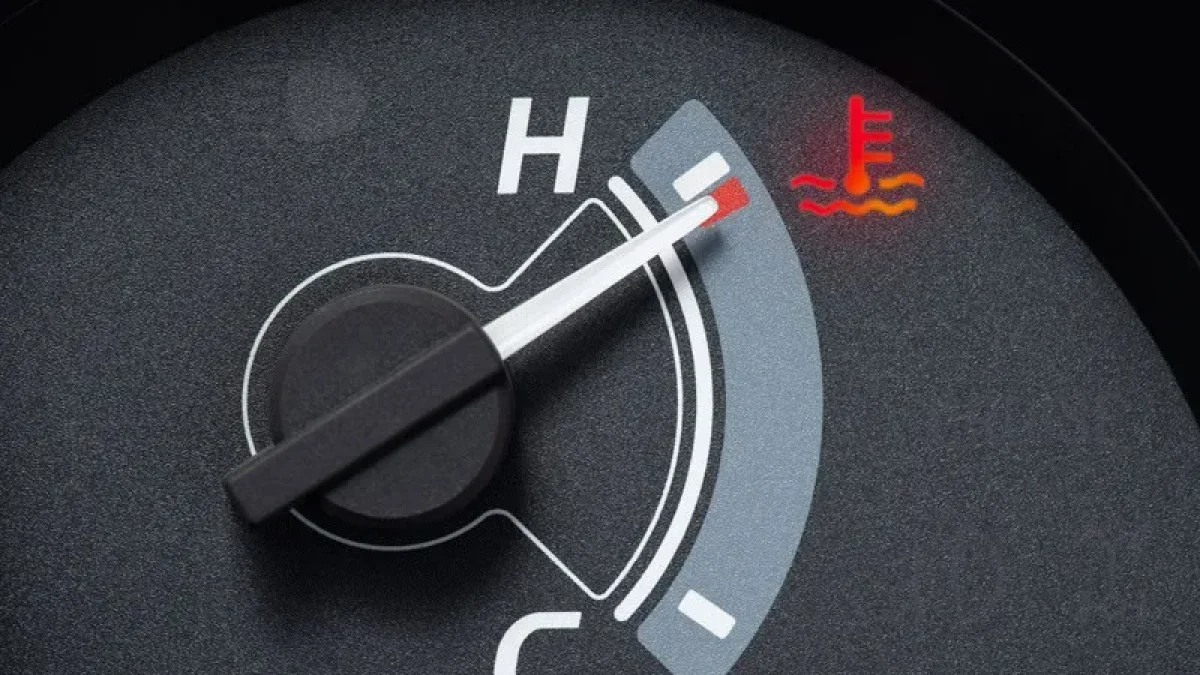
Car Overheating When AC Is On: Causes and Practical Solutions
Many drivers experience engine overheating as soon as the air conditioning is turned on—a warning sign that often points to an underlying mechanical issue. If left unchecked, this problem can escalate into costly repairs. This article explores the main reasons why your car overheats when the AC is running and provides actionable solutions to keep your engine cool.
Warning Signs to Watch For
When the AC is activated, be alert to several telltale indicators: a rapid rise in engine temperature immediately after switching on the AC, noticeably weak cooling performance, a burning smell coming from the front of the vehicle, and unusual noises from the AC fan or compressor. Any of these symptoms warrant an immediate inspection to prevent further damage.
Why Does the AC Cause Overheating?
The air conditioning system relies on a compressor that draws power from the engine to operate. This additional load forces the engine to work harder, generating more heat—especially in older or smaller-displacement vehicles. The situation worsens in stop-and-go traffic or city driving, where the engine struggles to compensate for the lost power, leading to higher temperatures.
Common Causes of Overheating with AC On
Several factors can contribute to engine overheating when the AC is running. These include a faulty cooling system that fails to dissipate excess heat, low or degraded coolant, a damaged water pump, or dirt and debris buildup on the radiator or compressor. A malfunctioning cooling fan, a blown fuse, a faulty thermostat that restricts coolant flow, or low refrigerant levels can also force the compressor and engine to work harder, raising the temperature further.
Practical Solutions to Prevent Overheating
To maintain normal engine temperatures while using the AC, follow these essential maintenance steps: regularly check and replace the coolant, clean the radiator thoroughly, inspect the cooling fan for proper operation, and test the thermostat, replacing it if necessary. Additionally, have the entire AC system checked for refrigerant levels and leaks to ensure efficient performance.
Ignoring an overheating issue when the AC is on can lead to severe engine damage, blown gaskets, increased fuel consumption, reduced AC efficiency, and even sudden breakdowns on the road. Routine inspections and preventive maintenance are the best ways to avoid these problems and ensure a safe, comfortable driving experience.
Related News
View All News
Signs of Spark Plug Failure in Your Car Engine — When to Replace Them
Spark plugs are essential engine components, and their failure causes difficulty starting, engine vibration, poor acceleration, and increased fuel consumption. Other signs include an illuminated check engine light and exhaust…

Your Complete Guide to Maintaining Car Tires as Winter Temperatures Drop
As winter approaches and temperatures fall, car tires need extra care to maintain grip and safety. Regular pressure checks, tread depth inspection, crack monitoring, and wheel alignment are essential steps.…

From Paper to Pavement: Inside the Making of a New Car
Developing a new car begins in the design studio with initial sketches that become a 3D digital model and then a full-size clay model. Engineering teams work in parallel to…

Tesla Drops 'Self-Driving' Name in Europe, Calls It 'Driver Assistant'
Tesla has renamed its 'Autopilot' system to 'Tesla Driver Assistant' in Europe after misleading claims. This change follows legal disputes and a retreat from full self-driving promises. In the U.S.,…

Chery Tiggo 9 CSH Survives Brutal Safety Tests: Saltwater Immersion and Underbody Impacts
Chery conducted extreme safety tests on the Tiggo 9 CSH, including a 24-hour saltwater immersion of its high-voltage battery and an underbody scraping test against a solid obstacle. Results showed…