Why Does Your Car Consume More Fuel in Summer? Facts You Need to Know
As temperatures soar during the summer months, many drivers notice a significant increase in fuel consumption compared to other seasons, especially when driving in congested city traffic or on long road trips. While some believe the main culprit is simply running the air conditioner, there are several other heat-related factors that directly impact fuel efficiency and overall vehicle performance. With fuel prices continuing to rise, understanding these factors becomes a crucial step in reducing expenses and maintaining your car's efficiency throughout the hot summer months.
How Does High Heat Affect Engine Efficiency?
Under moderate weather conditions, an engine operates efficiently once it reaches its optimal operating temperature. However, when temperatures rise significantly, both the engine and its cooling system face additional stress that can compromise efficiency and increase fuel consumption. Furthermore, hot air is less dense than cold air, meaning less oxygen enters the combustion chamber—a factor that can affect engine performance and efficiency under certain operating conditions. This issue is particularly pronounced in vehicles with turbocharged engines, which require cooler intake air to maintain peak performance. Regular maintenance of the cooling system, including coolant levels and radiator condition, becomes even more critical during summer.
Air Conditioning: A Major Contributor to Increased Consumption
Operating the air conditioning system is one of the most significant factors affecting fuel consumption during summer. The A/C system draws power directly from the engine, increasing its operational load. Consumption rates rise notably in the following situations: running the A/C at maximum power immediately after starting the car, driving at low speeds in congested urban areas, prolonged direct sun exposure before starting a trip, and driving during peak heat hours. To mitigate this impact, it is recommended to cool the car gradually by opening the windows for a few minutes first, then setting the A/C to a moderate temperature rather than the maximum setting. Using the recirculation mode can also help maintain cabin temperature more efficiently.
Tire Pressure and Its Impact on Fuel Economy
Tires play a critical role in fuel efficiency, as high temperatures cause the air pressure inside them to change. When tire pressure is not maintained according to the manufacturer's recommendations, several problems can occur: increased rolling resistance, higher engine load, elevated fuel consumption, and accelerated tire wear. Therefore, it is advisable to check tire pressure regularly, preferably in the morning before temperatures rise. Modern vehicles equipped with Tire Pressure Monitoring Systems (TPMS) provide an added advantage, but drivers should still manually verify pressures periodically. Using low rolling resistance tires can also contribute to better fuel economy, particularly in urban driving conditions.
Fuel Evaporation in Hot Weather
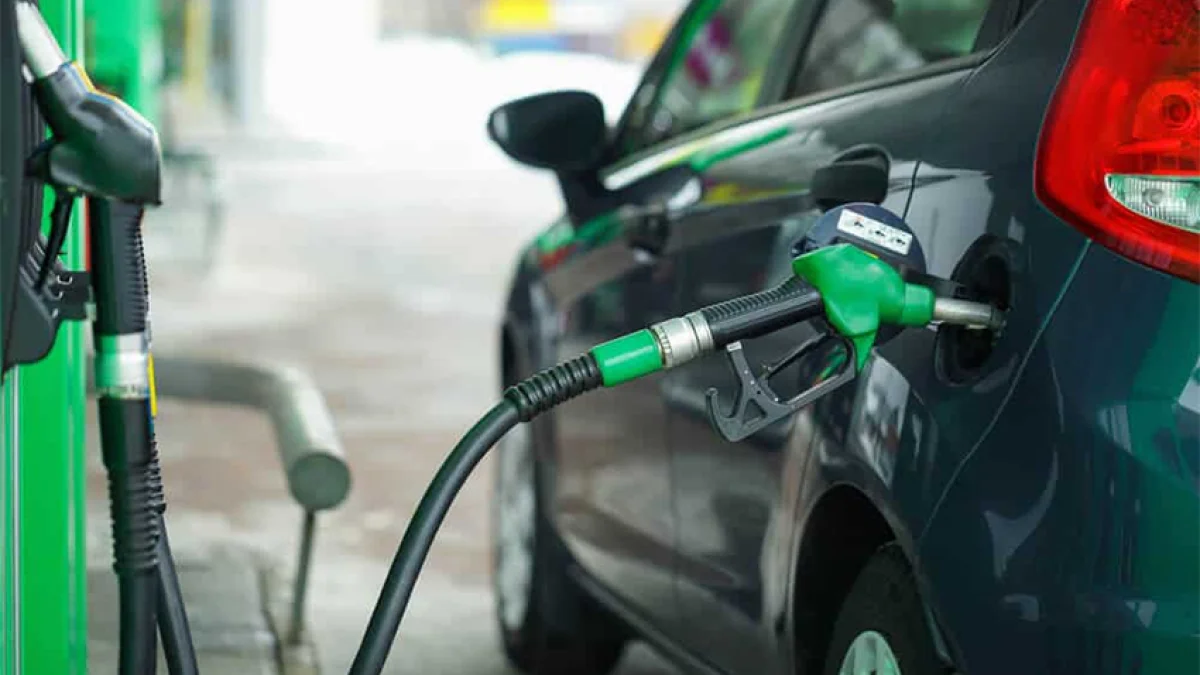
With rising temperatures, fuel evaporation rates inside the tank and fuel system increase, especially if the fuel cap is not properly sealed or if there is an issue with the evaporative emission control system. Although modern cars are equipped with vapor recovery systems, continuous exposure to extreme heat can reduce their effectiveness over time. It is therefore recommended to ensure the fuel cap is tightly closed after every refueling and to avoid filling the tank completely on extremely hot days, as fuel expands with heat and may cause vapor leakage. Parking in shaded areas or using a sunshade can also help keep the fuel system cooler and reduce evaporation losses.
Related News
View All News
Signs of Spark Plug Failure in Your Car Engine — When to Replace Them
Spark plugs are essential engine components, and their failure causes difficulty starting, engine vibration, poor acceleration, and increased fuel consumption. Other signs include an illuminated check engine light and exhaust…

Your Complete Guide to Maintaining Car Tires as Winter Temperatures Drop
As winter approaches and temperatures fall, car tires need extra care to maintain grip and safety. Regular pressure checks, tread depth inspection, crack monitoring, and wheel alignment are essential steps.…

From Paper to Pavement: Inside the Making of a New Car
Developing a new car begins in the design studio with initial sketches that become a 3D digital model and then a full-size clay model. Engineering teams work in parallel to…

Tesla Drops 'Self-Driving' Name in Europe, Calls It 'Driver Assistant'
Tesla has renamed its 'Autopilot' system to 'Tesla Driver Assistant' in Europe after misleading claims. This change follows legal disputes and a retreat from full self-driving promises. In the U.S.,…

Chery Tiggo 9 CSH Survives Brutal Safety Tests: Saltwater Immersion and Underbody Impacts
Chery conducted extreme safety tests on the Tiggo 9 CSH, including a 24-hour saltwater immersion of its high-voltage battery and an underbody scraping test against a solid obstacle. Results showed…