

6 Practical Tips to Keep Your Car Battery Alive This Winter and Avoid Starting Failures
Cold winter temperatures increase the risk of car battery weakness and hard engine starts. Experts recommend avoiding repeated short trips, reducing electrical loads during starting, cleaning terminals, and checking the charging system regularly. A fully charged conventional battery reads around 12 volts, and any noticeable drop requires immediate inspection. Following these steps reduces breakdown risk and extends battery life.
Cold weather is a battery killer — and most drivers find out the hard way. As winter temperatures drop, car batteries lose efficiency, making engine starts harder, especially in vehicles running old batteries or ones with weak charge. A fully charged conventional battery reads around 12 volts. Any noticeable drop below that figure is a clear warning sign that demands immediate attention.
Why Does Cold Weather Drain Your Car Battery?
Low temperatures reduce the battery's ability to deliver the cranking power needed to start the engine. Checking the charging system and electrical connections becomes even more critical to avoid sudden breakdowns caused by a flat battery. Winter puts double pressure on the battery. Drivers need seat heating, extra lighting. Window defrosters — all electrical loads that eat into stored energy. Specialists agree that a pre-winter battery check isn't optional, because catching weakness early costs far less than waiting for a roadside failure.
Avoid Repeated Short Trips
Short, repeated journeys drain part of the battery's charge every time the engine starts, without giving the charging system enough time to recover the energy used — especially when electrical devices are running. Drivers should avoid frequent short trips where possible and allow sufficient time for the charging system to compensate. The rule is simple: every engine start consumes energy. The battery needs adequate distance to recover it. In winter, that equation becomes far more sensitive.
Reduce Electrical Loads During Starting
Before turning the engine on, switch off unnecessary electrical devices such as seat heating, the entertainment system. Auxiliary lighting to reduce the load on the battery during the starting moment, particularly in extremely cold conditions. The starting moment is the hardest on the battery. Cutting loads at that critical instant gives it a better chance to crank the engine without extra strain and extends its service life noticeably.
Clean the Battery Terminals and Check Connections
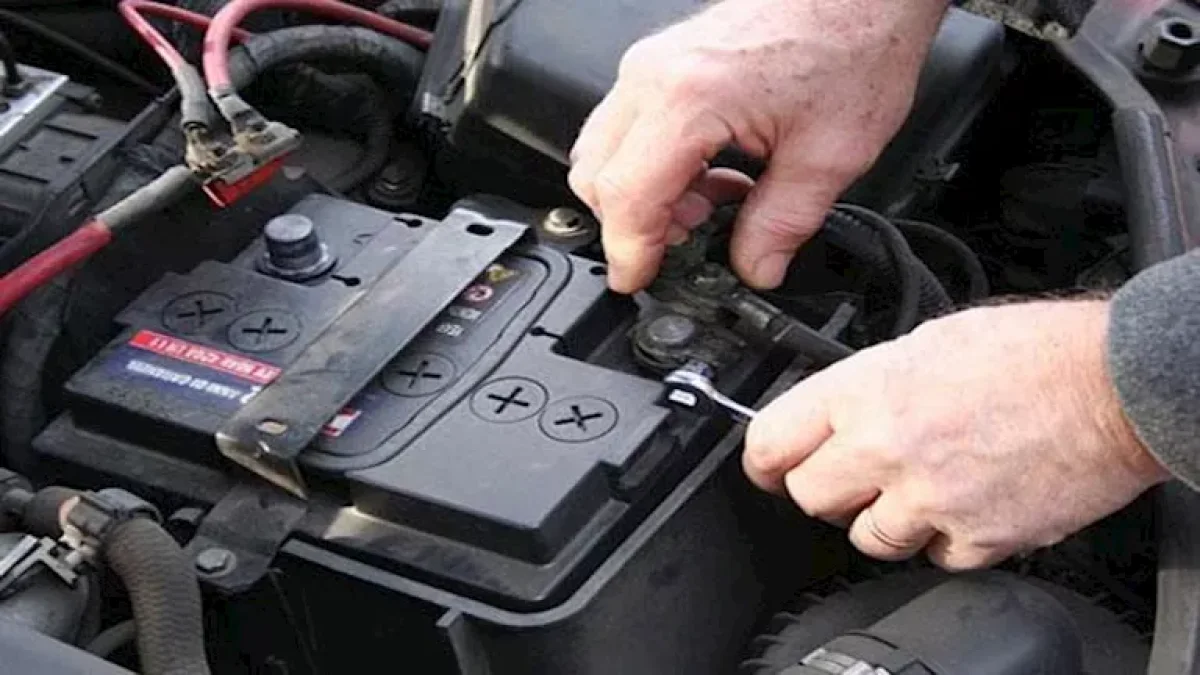
Battery terminals should be inspected regularly and kept free of corrosion and buildup that can block electrical current flow, while connections must be checked for tightness. If any signs of corrosion or damage appear, a specialized technician should perform the inspection and cleaning properly. White buildup on the terminals is a common sign of a connection problem. Ignoring it can turn a healthy battery into a dead one within weeks.
Switch Off Electrical Devices Before Leaving the Car
Leaving lights or electrical equipment running after the engine stops drains the battery, especially when the car sits parked for long periods. Drivers must ensure lights and devices that don't switch off automatically are turned off before leaving the vehicle. This simple habit prevents unpleasant morning surprises and keeps the battery charge at the required level.
Routine Inspection and the Charging System
Regular battery inspection helps detect signs of weakness before the engine refuses to start. The check includes measuring battery voltage and confirming the alternator works efficiently, because any fault in the charging system means the battery discharges while driving without being replenished. A healthy battery can't compensate for a faulty charging system. A comprehensive pre-winter check saves drivers the cost of a tow and a new battery at the worst possible time.
Frequently Asked Questions
3 questions answered
Related News
View All News
413 Digital Vulnerabilities Threaten Connected Cars: Swedish Study Reveals the Scale of Risk
A study from the University of Gothenburg and Chalmers University in Sweden identified 413 security vulnerabilities in software linked to connected cars, plus 827 software libraries with weaknesses. External apps…

US Turns the Future Turquoise: NHTSA Proposes New Lights to Identify Self-Driving Cars
The National Highway Traffic Safety Administration (NHTSA) has proposed turquoise lights to identify self-driving cars in the United States. The proposal allows companies like Tesla to design vehicles without steering…

5 Car Noises You Should Never Ignore — Some Signal Costly Repairs
Five common car noises can indicate serious failures if ignored. Brake squealing may mean worn pads, engine knocking points to low oil or internal issues, and steering clicking is linked…
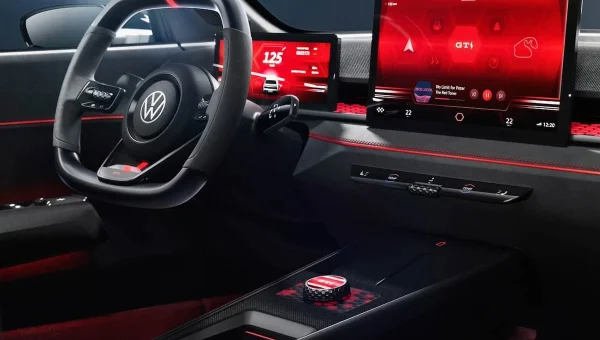
Volkswagen Tests Level 3 Autonomous Driving in China Ahead of 2027 Target
Volkswagen has secured a permit to test Level 3 autonomous driving technology on public roads in Anhui province, China. The company has invested over 3.5 billion euros in Hefei, home…
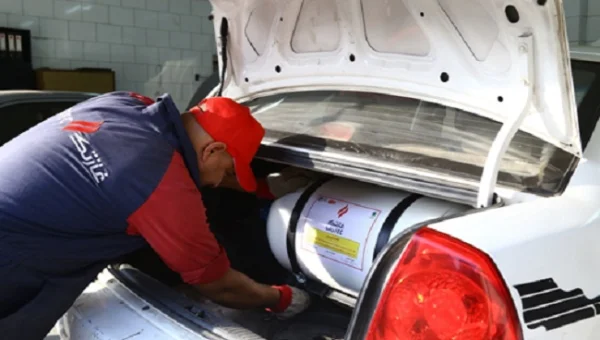
3 Valves That Protect Your Gas-Converted Car From Leaks and Overpressure
Specialists at Gastec explained that the natural gas conversion system relies on 3 main valves. The gas solenoid prevents flow when the engine stops, the filling valve secures refueling and…

