


5 Car Noises You Should Never Ignore — Some Signal Costly Repairs
Five common car noises can indicate serious failures if ignored. Brake squealing may mean worn pads, engine knocking points to low oil or internal issues, and steering clicking is linked to CV joints. Early inspection of these sounds saves high repair costs and prevents problems from worsening.
Not every strange noise from your car is just an annoyance. Some are early warning signs of failures that could cost you thousands in repairs if ignored. Squealing, knocking, clicking, and metallic grinding — each sound tells you something needs attention before it's too late.
Brake Squeal: When Does It Become a Real Warning?
Squealing when you press the brake pedal is one of the most common sounds. It may indicate worn brake pads nearing replacement, or it could result from vibrating components or accumulated dust. But a harsh metallic sound or grinding during braking demands an immediate brake system inspection, especially if stopping efficiency drops or pedal response changes. Don't wait until stopping itself becomes a risk.
Engine Knock and Ticking: Signs You Can't Afford to Delay
Persistent knocking or ticking from the engine may point to low oil levels or an issue with internal components. Check the oil level according to the manufacturer's instructions. Watch for any warning light or rising engine temperature. If a strong metallic knock appears alongside low oil pressure or noticeable performance loss, stop in a safe place, shut off the engine. Call for technical help immediately. Continuing to drive in that condition can turn a minor issue into catastrophic damage.
Steering Clicking: CV Joints Under Scrutiny
When turning the steering wheel, especially during low-speed cornering, you may hear repeated clicking. The likely cause is wear in a drivetrain joint, including constant-velocity joints known as CV joints. But sounds can also come from suspension or steering components, so the exact cause can't be determined by sound alone. If clicking is accompanied by vibrations or steering difficulty, have the car inspected at a specialized service center without delay.
Whining Under the Hood: Belts and Accessories
A whining sound from the engine bay at startup or acceleration may be linked to the engine belt or one of the accessory drive components, such as the alternator or A/C compressor. That noise doesn't necessarily mean a serious failure, but it deserves inspection before it escalates into a complete accessory system breakdown. All five sounds are messages — early response saves you costly repair bills.
Frequently Asked Questions
3 questions answered
Related News
View All News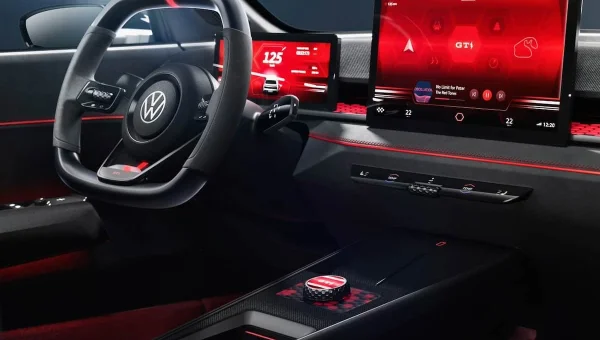
Volkswagen Tests Level 3 Autonomous Driving in China Ahead of 2027 Target
Volkswagen has secured a permit to test Level 3 autonomous driving technology on public roads in Anhui province, China. The company has invested over 3.5 billion euros in Hefei, home…
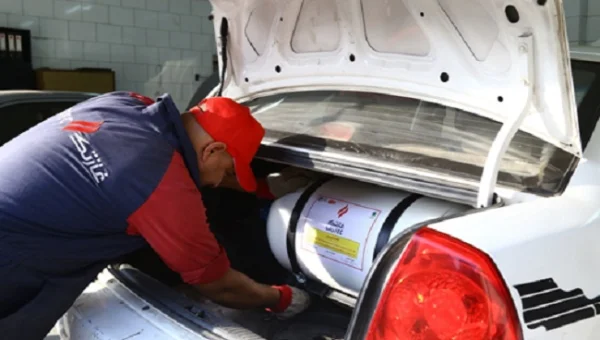
3 Valves That Protect Your Gas-Converted Car From Leaks and Overpressure
Specialists at Gastec explained that the natural gas conversion system relies on 3 main valves. The gas solenoid prevents flow when the engine stops, the filling valve secures refueling and…

NVIDIA Launches Halos SAFE Framework to Test Autonomous Driving Safety Before Trust
NVIDIA announced on October 21, 2026, the Halos SAFE framework to evaluate autonomous driving safety by combining virtual simulation, real-world testing, and fleet data analysis. The framework aims to produce…
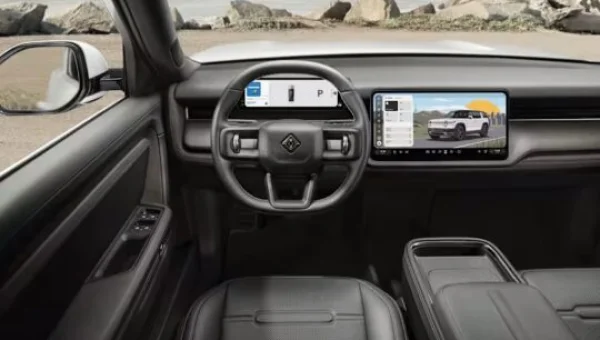
Rivian Acquires Third Dimension AI to Accelerate Self-Driving Development
Rivian has acquired UK-based Third Dimension AI, a startup that uses AI to turn images and video into controllable 3D environments. The technology allows engineers to simulate rare and dangerous…

Agentic AI Set to Dominate Automotive Engineering: 68% of Carmakers Target Expansion Within 3 Years
A Capgemini Research Institute report reveals that 68% of automotive companies aim to increase reliance on agentic AI for non-core engineering activities to 68% within two to three years, up…

