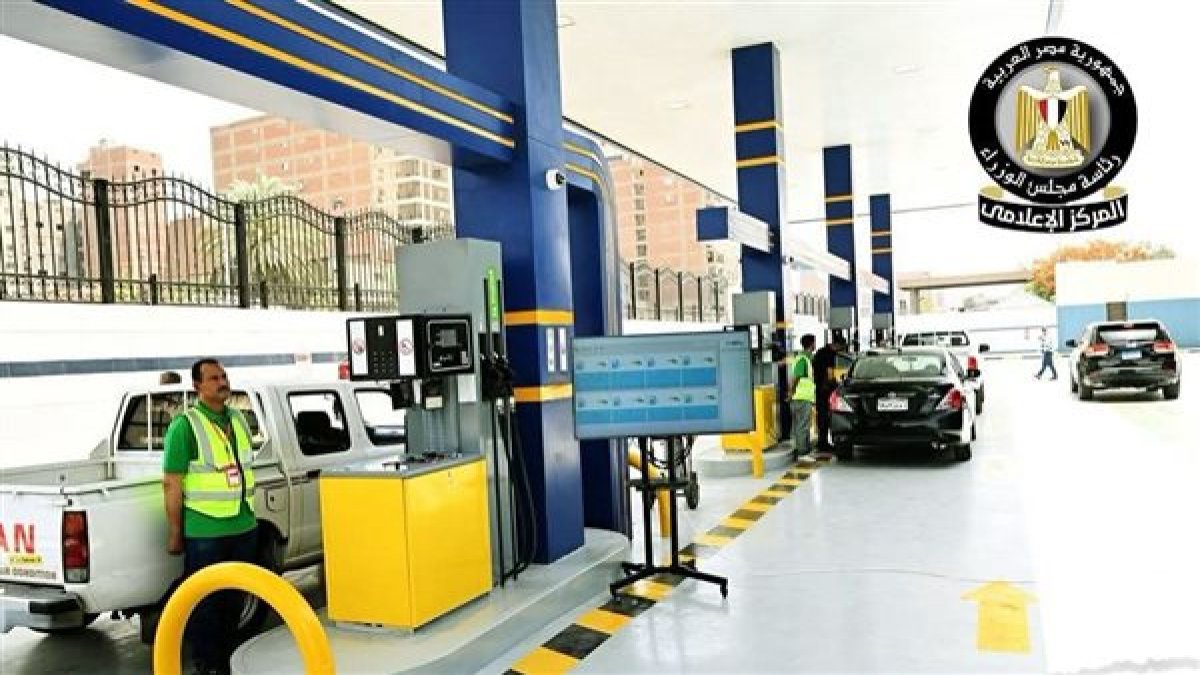
Cairo Governorate Saves Over 1 Million Liters of Fuel Annually with Smart Fuel Station
Cairo Governorate has achieved a significant breakthrough in managing its vehicle fuel system by operating a digitally-controlled smart fuel station. The new station has resulted in monthly savings of nearly 2 million Egyptian pounds, with fuel consumption reduced by up to 62%, while total annual savings have surpassed one million liters of fuel.
An Advanced Model for Smart Petroleum Resource Management
According to a statement from the Egyptian Cabinet's Media Center, the smart fuel station represents a sophisticated model for the intelligent management of petroleum resources. Traditional operating methods have been replaced with an integrated electronic system that ensures precise monitoring of fueling operations, reduces waste, and enforces strict control over consumption.
Station Details and Strategic Location
The station was implemented by the Arab Organization for Industrialization (AOI) on a 3,017 square meter area in the Al-Zawya Al-Hamra district. It serves 678 vehicles belonging to the Governorate's General Office and the Cairo Cleaning and Beautification Authority, in addition to meeting the needs of the eastern, northern, and western district areas.
Impressive Results in Fuel and Oil Savings
The new system has yielded impressive results, achieving monthly savings of approximately 95,600 liters of fuel, equivalent to a 62% reduction in previous consumption rates. This translates into financial savings of nearly 2 million pounds per month, while total annual savings have exceeded one million liters of fuel. The station also recorded a 44.7% reduction in vehicle oil consumption.
How the Smart System Works
The station's smart system relies on installing a special electronic ring on the fuel tank opening of vehicles included in the system. This technology allows for highly accurate recording of fuel dispensed and consumed, while preventing the extraction or tampering of petroleum products, providing real-time monitoring of fuel movement.
Advanced Infrastructure and Equipment
The station features four underground tanks with a total capacity of 160,000 liters, along with five fueling pumps equipped with twenty dispensing nozzles, ensuring fast and efficient service for the beneficiary vehicle fleet. It also includes a fully integrated two-story service building spanning over 1,000 square meters, housing technical workshops and a central control room for automatically monitoring consumption rates and matching dispensed quantities with actual tank inventory. The station is further equipped with an advanced CCTV system to enhance security and surveillance levels, as well as state-of-the-art safety and protection equipment including fire alarm and suppression systems, and an emergency backup generator.
Related News
View All News
Key, Gauges, and Mirrors: Familiar Car Details That May Vanish from Your Next Vehicle
Modern cars are rapidly going digital, and traditional features drivers have used for decades are gradually disappearing. Analog instrument clusters are being replaced by screens, start buttons are giving way…

Batteries, Fuel Cells, or Hydrogen Combustion? 3 Technologies Racing for the Future of Cars
Three technologies are competing for the future of automobiles: battery electric vehicles, hydrogen fuel cells, and hydrogen combustion engines. Global EV sales surpassed 20 million units in 2025, roughly a…
Best Engine Oils for Your Car in Summer
As summer temperatures rise, choosing the right engine oil becomes critical to protect your car's engine. Experts recommend full synthetic multi-grade oils like 5W-30 or 10W-40. Trusted brands such as…

Over 1 Billion Connected Cars by 2035 — Can Mobile Networks Keep Up?
Omdia Research projects that connected cars using cellular networks will exceed 1.05 billion by 2035, up from 473.7 million in 2025. The study warns that 4G shutdowns expected from 2030…
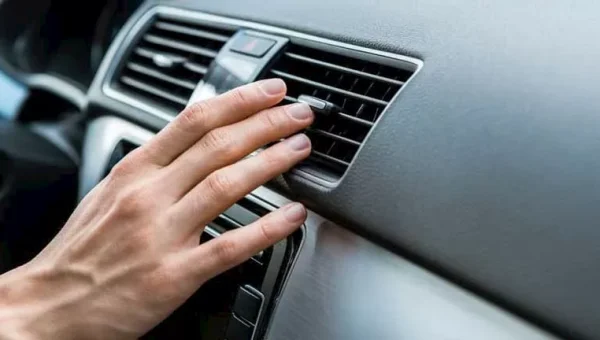
Don't Turn Off Your Car's AC This Winter — Experts Explain Why
Germany's TÜV NORD inspection authority recommends running your car's air conditioning at least once a week for 10 minutes, even in cold weather. Regular operation keeps compressor oil and seals…