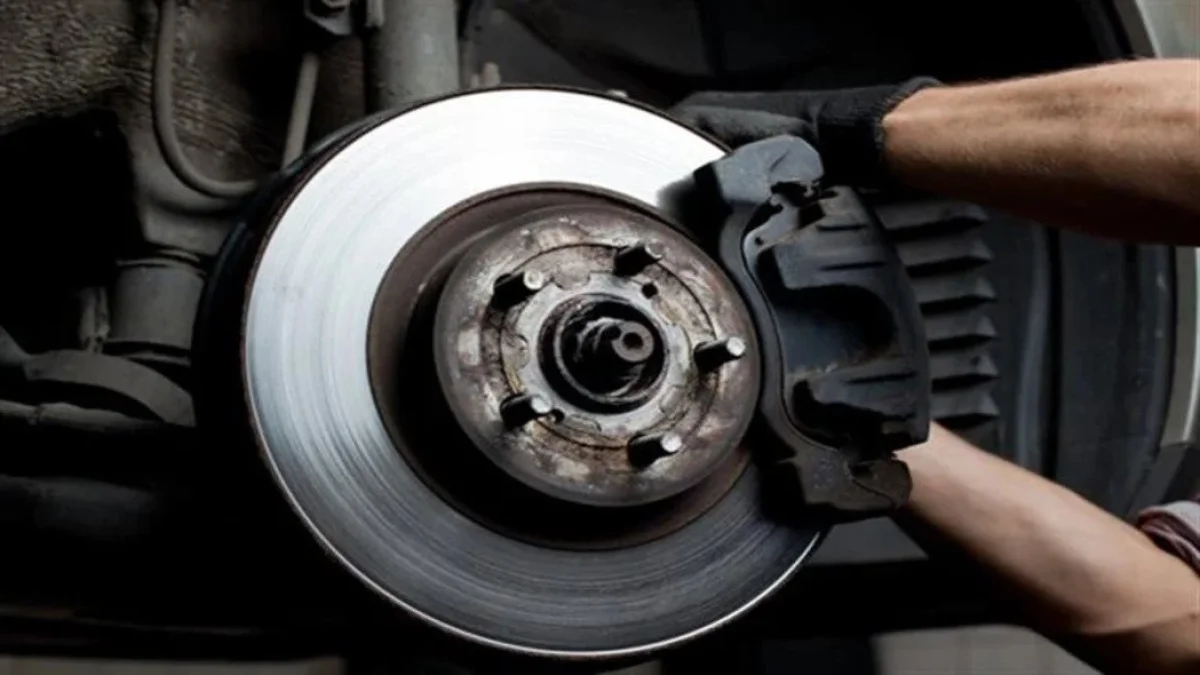
Brake Pad Wear: Signs and Causes — When Should You Replace Them Immediately?
Brake pads are among the most critical spare parts for vehicle safety, and their wear shows through repeated squealing, weak braking response, pedal vibration, or the car pulling to one side. Some of these signs may stem from other issues like disc or caliper problems, but ignoring them can lead to bigger damage. Immediate replacement is required when you hear a sharp metallic sound or feel strong vibration, with routine inspection every 10,000 kilometers.
Squealing doesn't always mean your brake pads are shot, but ignoring early warning signs can cost you dearly and put your safety at risk. This report covers the most common signs of brake pad wear that appear while driving. When you should replace them immediately before the problem gets worse. Brake pads are one of the most critical spare parts linked to vehicle safety. Any neglect in inspecting them can lead to bigger failures in the entire braking system.
Signs of Brake Pad Wear You Notice While Driving
Does every brake noise mean the pads are worn? Not necessarily. Sometimes your car tells you the pads are wearing down before you can see them, so pay attention to what you hear and feel when you press the brake pedal. Repeated squealing, weak response, vibration, or the car pulling to one side — all are signs worth checking. Some of these signs may also come from other parts like the disc or caliper, but let's take a quick look at the most prominent signs that appear while driving.
Repeated squealing when braking can be a sign that the pads have reached a point requiring inspection or replacement. Some pad types have an acoustic wear indicator that emits a squeal when the friction material gets too thin. A harsh metallic sound or strong grinding could mean the friction material has worn down significantly and the metal part of the pad is contacting the disc — this is when you must not delay inspection. If the car takes longer than usual to stop, that's another sign demanding a check. Don't wait for a noise to confirm a problem.
Feeling pulses or vibration in the brake pedal while stopping needs inspection. Uneven pad wear or grooves on its surface can also cause vibration and reduced braking efficiency. If the vibration reaches the steering wheel, the problem may be related to the disc or its uneven surface, not just the brake pads. The car pulling to one side when braking may be linked to uneven wear between the two pads or a caliper issue. In all cases, regular brake system inspection isn't a luxury — it's a necessity.
When Should You Replace Brake Pads Immediately?
If you notice a sharp metallic sound, strong vibration in the pedal, or clear pulling when braking, these are signals to stop driving and inspect the system immediately. Don't ignore these signs because they can lead to disc damage or loss of control. Replacing brake pads at the right time saves you from bigger repair bills and ensures reliable braking response on highways and in the city.
Routine inspection every 10,000 kilometers or when changing tires helps detect wear early. Always use original or approved spare parts, and make sure the caliper is properly adjusted. Your safety on the road starts with simple parts that may seem small but have a huge impact.
Frequently Asked Questions
3 questions answered
Related News
View All News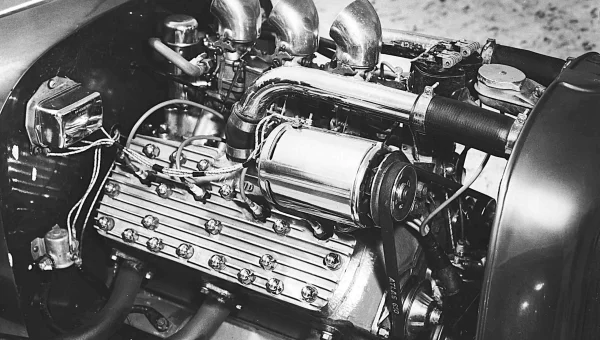
Ford X-8: The Strange 14-Inch, 30-HP Engine That Almost Changed History
In the 1920s, Ford developed the X-8, an eight-cylinder engine with an X-shaped design as part of a secret project for a Model T replacement. The engine measured 14 inches…

Petrol in a Diesel Engine: A Seconds-Long Mistake That Can Cost You Thousands
Filling a diesel car with petrol instead of diesel can cause severe damage to the high-pressure fuel pump and injectors due to lack of lubrication. Starting the engine after the…
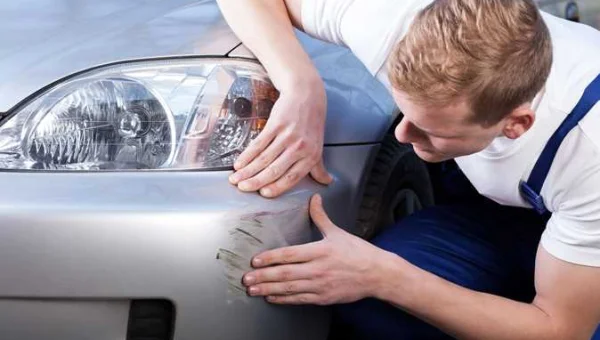
Car Expert Reveals 8 Household Tricks Using Toothpaste and Cat Litter to Save Your Car Without a Workshop
Engineer Haitham Farag, a car maintenance expert, revealed 8 simple household tricks to address car issues without a workshop. The tricks include using toothpaste to polish headlights, nail polish to…
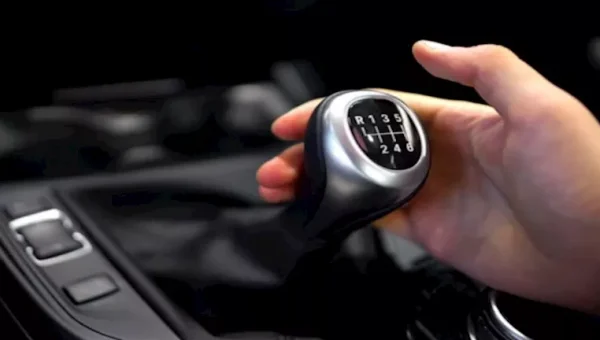
Dry vs Wet DCT: What's the Difference and Which Is Better in Traffic?
DCT transmissions are divided into dry and wet types, with the key difference being clutch cooling. Dry is lighter and simpler but suffers from heat in heavy traffic, while wet…
Porsche Patents Dual-Clutch Gearbox That Mimics Manual Feel with Electronic Clutch Pedal
Porsche has patented a dual-clutch transmission system that mimics manual driving with an electronic clutch pedal and shift lever. The system allows full automatic driving or manual-like shifting without mechanical…