

Bosch Introduces New Technology to Reduce Gasoline Engine Emissions During Cold Start
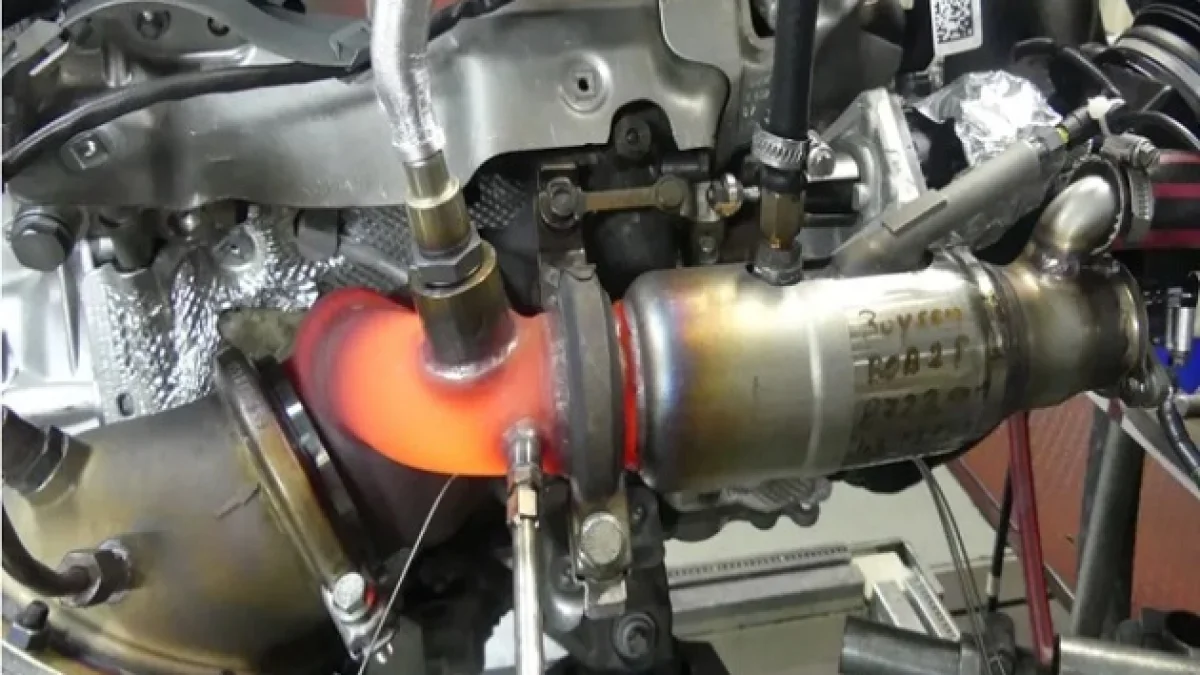
Bosch has unveiled an innovative technology designed to reduce emissions from gasoline vehicles, particularly during the critical moments after engine startup. This period, known as cold start, sees the highest emission levels before the exhaust system reaches its optimal operating temperature. The concept relies on a gas-powered heater placed within the exhaust system, which rapidly releases thermal energy near the catalytic converter. This allows the converter to reach its ideal operating temperature more quickly, significantly cutting down pollutants generated during cold starts.
The Cold Start Problem and Its Environmental Impact
Despite major advancements in modern gasoline engines, the cold start phase remains one of the most polluting periods of vehicle operation. The catalytic converter, responsible for treating harmful gases from the engine, requires high temperatures to function efficiently. During the first seconds or minutes after ignition, the converter is less effective at purifying exhaust gases, allowing a higher proportion of pollutants to escape into the atmosphere. This challenge has driven Bosch to develop a solution that specifically addresses this gap in emission control.
How Bosch's New Technology Works
Bosch's new technology works by rapidly heating the catalytic converter using a small flame inside the exhaust system, rather than relying solely on engine heat to raise the system's temperature. This gas heater delivers direct thermal energy to the exhaust stream before the catalytic converter, enabling it to activate faster and reducing the duration of high-emission operation. It is important to note that this technology is not about cleaning the engine with flame or removing carbon deposits from combustion chambers. Instead, it focuses on accelerating the catalytic converter's performance to purify exhaust gases before they are released into the air.
Importance Amid Stricter Emission Standards
The importance of this technology grows as global emission standards become increasingly stringent, especially in major cities suffering from vehicle-related air pollution. Plug-in hybrid vehicles could particularly benefit, as their gasoline engines often run for short, intermittent periods, making rapid catalytic converter heating even more critical. Bosch presents this system as an effective alternative to some electric heating solutions, maintaining fuel efficiency while reducing harmful emissions. This innovation offers a transitional solution for internal combustion engines before the full electrification era, helping automakers meet regulatory requirements without immediately abandoning gasoline powertrains.
Related News
View All News
Signs of Spark Plug Failure in Your Car Engine — When to Replace Them
Spark plugs are essential engine components, and their failure causes difficulty starting, engine vibration, poor acceleration, and increased fuel consumption. Other signs include an illuminated check engine light and exhaust…

Your Complete Guide to Maintaining Car Tires as Winter Temperatures Drop
As winter approaches and temperatures fall, car tires need extra care to maintain grip and safety. Regular pressure checks, tread depth inspection, crack monitoring, and wheel alignment are essential steps.…

From Paper to Pavement: Inside the Making of a New Car
Developing a new car begins in the design studio with initial sketches that become a 3D digital model and then a full-size clay model. Engineering teams work in parallel to…

Tesla Drops 'Self-Driving' Name in Europe, Calls It 'Driver Assistant'
Tesla has renamed its 'Autopilot' system to 'Tesla Driver Assistant' in Europe after misleading claims. This change follows legal disputes and a retreat from full self-driving promises. In the U.S.,…

Chery Tiggo 9 CSH Survives Brutal Safety Tests: Saltwater Immersion and Underbody Impacts
Chery conducted extreme safety tests on the Tiggo 9 CSH, including a 24-hour saltwater immersion of its high-voltage battery and an underbody scraping test against a solid obstacle. Results showed…

