AWD vs 4WD: The Real Difference Between All-Wheel and Four-Wheel Drive
AWD and 4WD differ in how they deliver power to all four wheels. AWD automatically distributes torque for better stability on regular roads, while 4WD uses a mechanical system for off-road use. The right choice depends on your daily driving style.
The difference between All-Wheel Drive (AWD) and Four-Wheel Drive (4WD) is more than just terminology—it affects performance, fuel consumption, and daily usability. Many new car buyers confuse the two systems when shopping for an SUV or crossover.
How Does AWD Work?
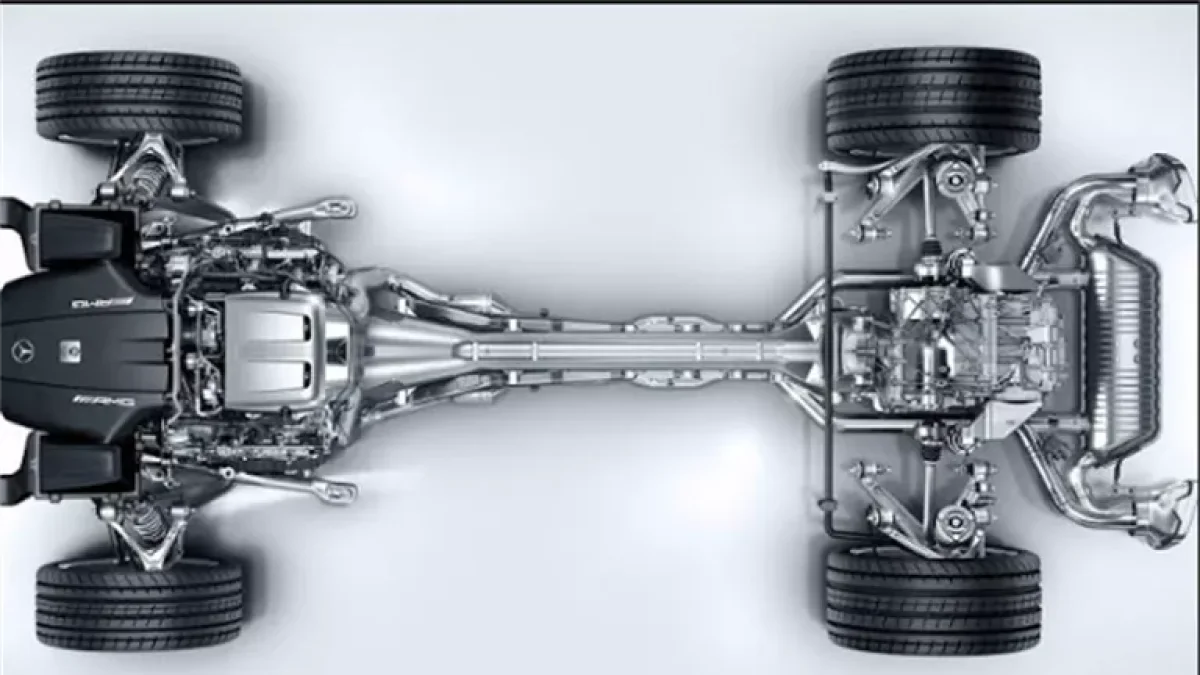
AWD automatically sends power to all four wheels via electronic controls that distribute torque between the front and rear axles based on road conditions. Some systems run front- or rear-wheel drive normally then engage the other axle when needed, while others are permanently engaged. The main benefit is improved stability and traction on wet or slippery roads, in corners. During acceleration—making it ideal for family SUVs and crossovers used mainly in cities and on highways. The driver rarely needs to intervene.
What Sets 4WD Apart?
4WD typically uses a mechanical system to deliver power to both axles, with selectable modes for different terrain. It's built for heavy-duty use and off-roading, offering extra torque when needed. You will find it in vehicles like the Jeep Wrangler and Toyota Fortuner, where drivers need high towing capacity and tough terrain capability. The mechanical difference is clear.
Which One Fits Your Needs?
For daily city and highway driving, a Kia Sportage or Hyundai Tucson with AWD offers excellent stability without complexity. For desert trips and off-road adventures, vehicles like the Mitsubishi Pajero with 4WD give you maneuverability in harsh conditions. The choice depends on your driving style.
When buying a used car, check the drivetrain type in the specs. 4WD may add weight and fuel consumption compared to AWD. Prices for Jeep and Mitsubishi vary by trim and equipment, so review your needs before deciding.
Frequently Asked Questions
3 questions answered
Related News
View All News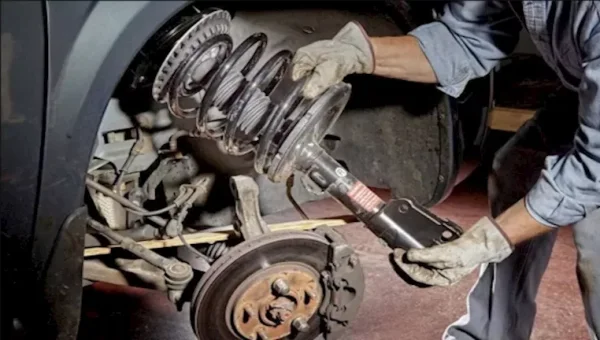
When Should You Replace Your Car's Shock Absorbers? 5 Signs You Can't Ignore
Shock absorbers are a core part of the suspension system, responsible for damping impacts and keeping the car stable. Five key signs indicate they are failing: unusual vibration, repeated bouncing…
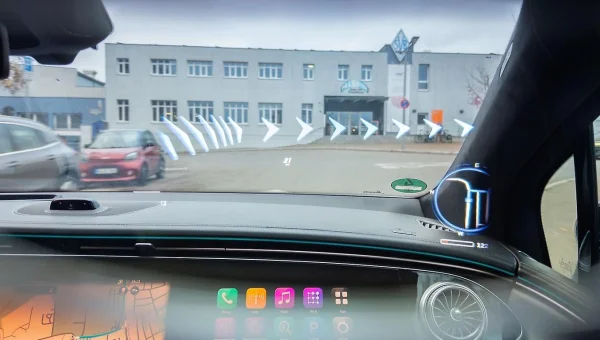
Mercedes Unveils Holographic Windshield Display Invisible to the Driver
Mercedes-Benz has revealed its Holo Display technology that turns the windshield into a holographic screen showing personalized content for each occupant. The system uses a small projector and a transparent…

LUXEED Unveils SIVP Smart Parking System: Centimeter-Accurate Self-Parking and Remote Retrieval
LUXEED unveiled its Super Intelligent Valet Parking (SIVP) system at a global media test-drive event on October 20. The system supports fully autonomous parking and remote vehicle retrieval via mobile…

AI Is Stealing Car Chips: Aumovio Warns of Sharp Cost Increases
The automotive industry faces a new threat: a shortage of legacy semiconductors as chipmakers redirect production toward AI data center components. Nexperia interim CEO Stefan Tilger confirmed competitors have shifted…

European Test Reveals: Tesla's Full Self-Driving Reads Traffic Signs Then Ignores Them
A European test by Belgian safety organization Johanna.be found that Tesla's Full Self-Driving system committed traffic violations over 400 kilometers in Brussels. The system exceeded the speed limit on 55%…