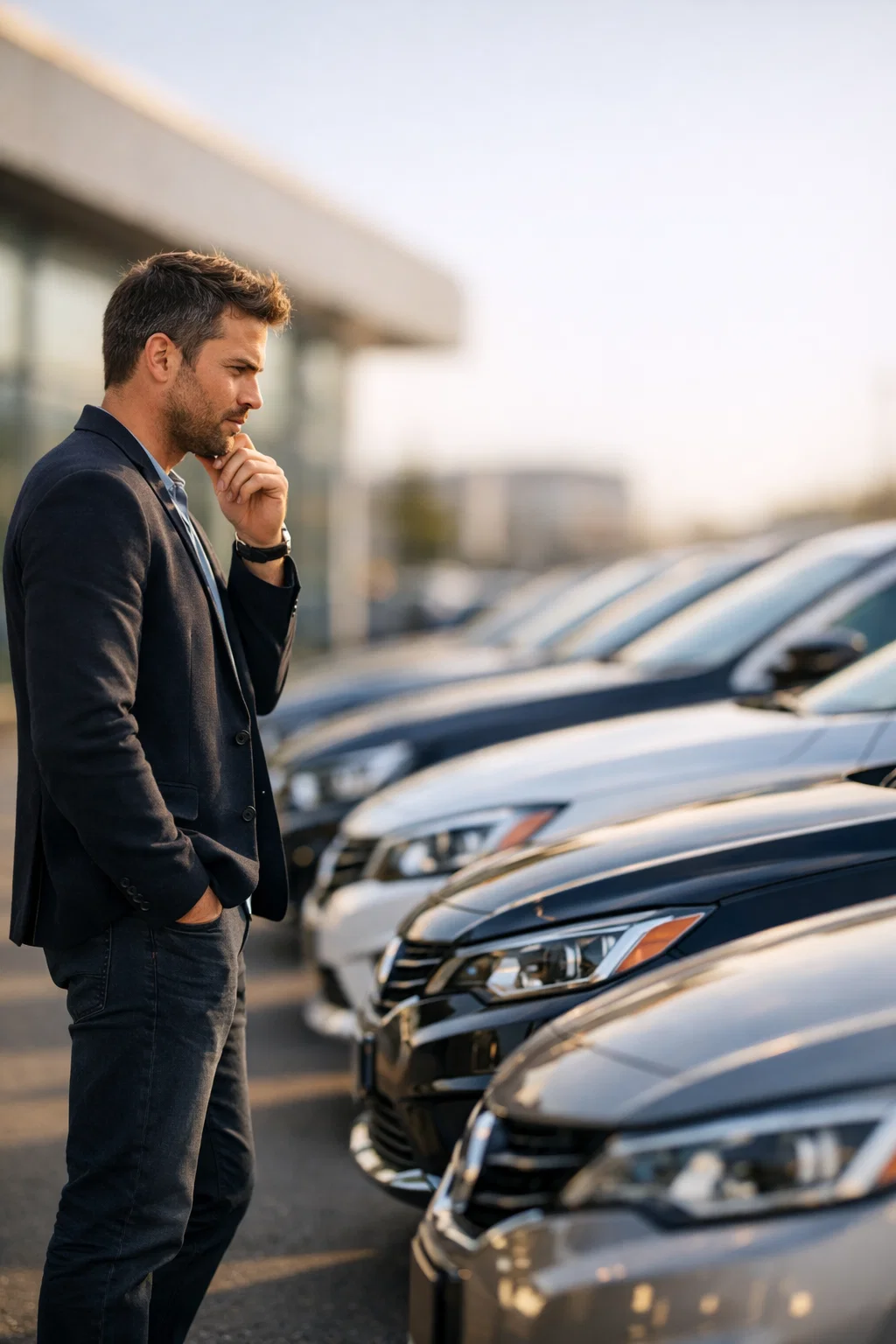
AI Solves the Hardest Problem for Women: Parking in Tight Spots
This article explores how artificial intelligence helps drivers, especially women, overcome the challenge of parking in tight spaces. Modern systems use cameras and sensors to analyze surroundings and execute parking maneuvers, with advanced versions taking full control of steering and braking. NHTSA confirms these technologies do not make cars autonomous, and drivers retain full responsibility for control and attention. Studies from 2025 and 2026 highlight the importance of driver training and understanding for safe use of automated parking systems.
Does parking in a tight spot make you nervous? Artificial intelligence is changing that equation, as modern cars now see, analyze. Execute parking maneuvers with advanced camera and sensor systems. The National Highway Traffic Safety Administration (NHTSA) now includes rear cameras, cross-traffic alerts. Automatic braking in its safety assessments.
How Cars See What Drivers Can't
Advanced parking systems fuse camera data with ultrasonic sensors to detect vehicles, obstacles. Parking space edges, mapping the optimal path in real time. Some systems offer steering assistance, while more sophisticated setups take full control of acceleration, braking. Steering during the entire parking process. That is a huge relief for anyone who has ever sweated through parallel parking on a busy street.
The numbers behind the technology are telling. NHTSA confirms that current driver-assistance features include rear cameras, rear cross-traffic alerts. Automatic emergency braking when a collision risk is detected. These are no longer luxury extras; they are quickly becoming standard safety equipment on new vehicles.
From Automated Steering to Understanding the Scene
The next wave goes far beyond moving the wheel automatically. These systems now analyze the entire parking environment and choose the right strategy, even in complex spaces with moving obstacles like passing cars or pedestrians. A 2026 study published in Robotics and Autonomous Systems proposed a framework combining motion perception of surrounding objects with behavior prediction and multi-strategy planning to find safer, more efficient paths.
Still, the driver's role remains central. NHTSA is clear that current assistance technologies don't make the car autonomous. The driver stays fully responsible for control and attention at all times. Technology is a co-pilot, not a replacement for human judgment, especially when unexpected situations arise on the road or in a packed parking garage.
What is perhaps most surprising is that a 2025 study on automated parking assistance found a direct link between driver understanding and safe use of the system. Training matters. When drivers know how the system works and where its limits are, they make fewer mistakes and trust the technology appropriately. AI gives drivers an extra set of eyes and a helping hand when space runs out and pressure builds.
Frequently Asked Questions
3 questions answered
Related News
View All News
Why Carmakers Advise Against Using 95 Octane in Engines Designed for 92
Using 95 octane in an engine designed for 92 delivers no extra power, despite a widespread belief among drivers. Automakers determine the correct fuel based on compression ratio, ignition timing…

Signs of Spark Plug Failure in Your Car Engine — When to Replace Them
Spark plugs are essential engine components, and their failure causes difficulty starting, engine vibration, poor acceleration, and increased fuel consumption. Other signs include an illuminated check engine light and exhaust…

Your Complete Guide to Maintaining Car Tires as Winter Temperatures Drop
As winter approaches and temperatures fall, car tires need extra care to maintain grip and safety. Regular pressure checks, tread depth inspection, crack monitoring, and wheel alignment are essential steps.…
From Paper to Pavement: Inside the Making of a New Car
Developing a new car begins in the design studio with initial sketches that become a 3D digital model and then a full-size clay model. Engineering teams work in parallel to…
Tesla Drops 'Self-Driving' Name in Europe, Calls It 'Driver Assistant'
Tesla has renamed its 'Autopilot' system to 'Tesla Driver Assistant' in Europe after misleading claims. This change follows legal disputes and a retreat from full self-driving promises. In the U.S.,…