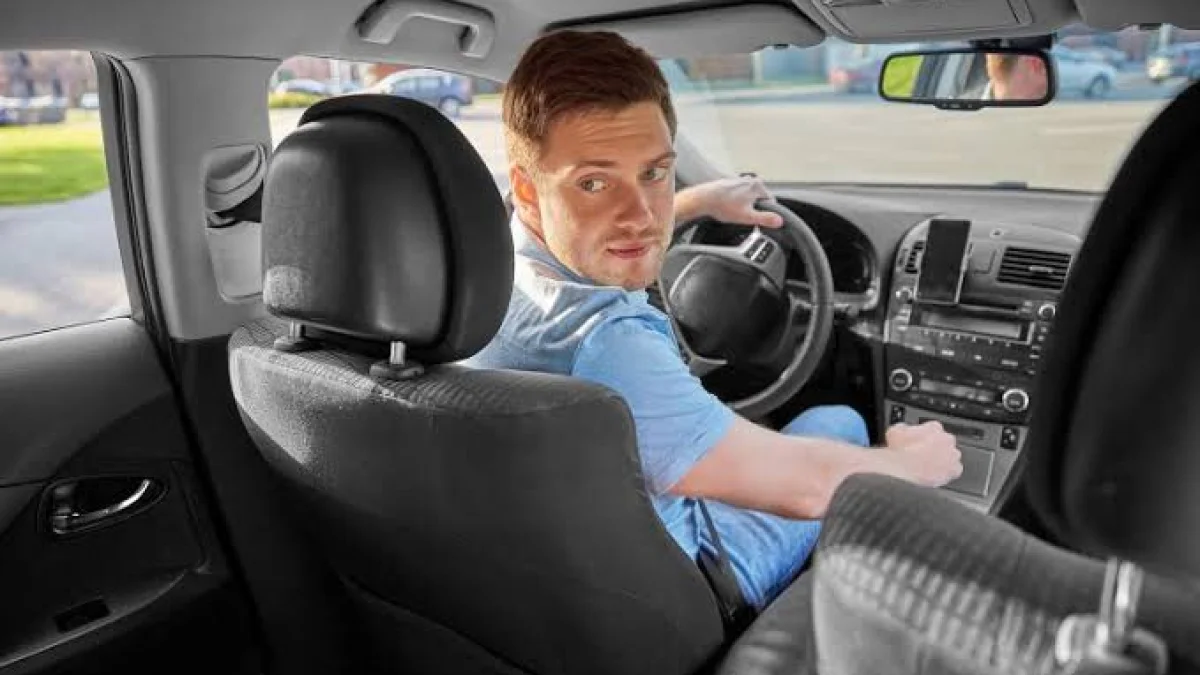
AI Solves Women's Hardest Driving Dilemma: Confident Parking Made Possible
AI parking assistance systems are a genuine solution for drivers who struggle with tight maneuvers. Advanced cameras and sensors analyze the space and execute the park automatically, while NHTSA confirms drivers must remain alert. Recent studies recommend understanding the system and practicing in safe zones before relying on it completely.
What if your car could handle the parking spot you fear the most? Modern intelligence in models like Volkswagen and Toyota now scans the gap, analyzes angles. Executes the maneuver effortlessly. The hardest part of driving isn't the congested road anymore; for many women it's that stressful moment of squeezing into a tight parking spot.
How Cars See What Drivers Can't
These advanced systems combine high-resolution cameras and sensors that detect parked vehicles, obstacles. Curbs with remarkable precision. The data feeds a central processor that maps the surrounding space and calculates the optimal entry and exit path. Some systems only assist with steering, but the most sophisticated ones take full control of acceleration, braking. Steering for a completely hands-free parking experience.
The numbers tell a clear story about adoption. The US National Highway Traffic Safety Administration (NHTSA) reports that parking assistance now includes rear cameras, cross-traffic alerts. Automatic braking when collision risk is detected. This technology isn't just about driver comfort; it also works as a protective tool that reduces low-speed accidents in tight areas.
From Automatic Steering to True Spatial Understanding
The new wave of technology goes far beyond auto-steering towards deep analysis of the environment to select the right parking strategy. A 2026 peer-reviewed study published in Robotics and Autonomous Systems proposed a framework combining obstacle motion perception with behavior prediction to plan several safe routes in highly dynamic spaces. Imagine your future car anticipating a pedestrian stepping out before they even move.
But improved capability requires more driver responsibility. NHTSA states absolutely that these features don't make a vehicle self-driving; situational awareness remains entirely with the driver, regardless of what the dashboard advertises.
The Golden Rule: Stay Engaged
A 2025 study on automated parking assistance revealed a direct link between understanding the system and using it safely. Drivers who practiced in empty lots avoided common errors, while those who over-trusted the tech faced miscalculations. The lessons are clear: always read the manual, test features at low speed. Never ignore your surroundings.
The final word is optimistic. Parking becomes less stressful, but AI doesn't replace your driving skills; it gives you a second pair of eyes and an electronic hand when space runs out and pressure rises in heavy traffic. Brands such as BYD and Chery offer this valuable safety net at highly competitive prices in the Egyptian market, making full assistance accessible to everyday drivers.
Frequently Asked Questions
3 questions answered
Related News
View All News
Fuel Warning Light Isn't Just a Reminder: What Your Car Loses When You Drive on Empty
Repeatedly driving on empty puts extra stress on the fuel pump, which relies on surrounding gasoline to stay cool. Low fuel levels cause the pump to run hotter, shortening its…
Mercedes G-Class Could Learn to Swim: Patent Reveals Floating System for Electric Version
A new patent reveals a buoyancy system for the Mercedes G-Class Electric that allows it to stay on the water surface and move across it. The system uses inflatable or…
Automotive Expert Warns: Large Screens May Delay Driver Decisions in Critical Moments
Tony Latif, an electric vehicle expert, warned that advanced touchscreens in modern cars can slow driver response in critical moments such as dimming high beams. Speaking on the "Arabity" program,…
Hisham El-Zeiny Warns: Advanced Technology Could Turn Modern Cars into a 'Moving Coffin'
Egyptian broadcaster Hisham El-Zeiny has warned that advanced technology in modern cars can become a 'moving coffin' when a sudden power failure occurs. He cited the recall of nearly 4…
Why Sports Cars Swear by Dual-Clutch Transmissions
This article explains the mechanics behind the dual-clutch transmission (DCT), a technology favored in sports cars from Porsche, Volkswagen, and Hyundai. The system uses two clutches to pre-select gears, enabling…