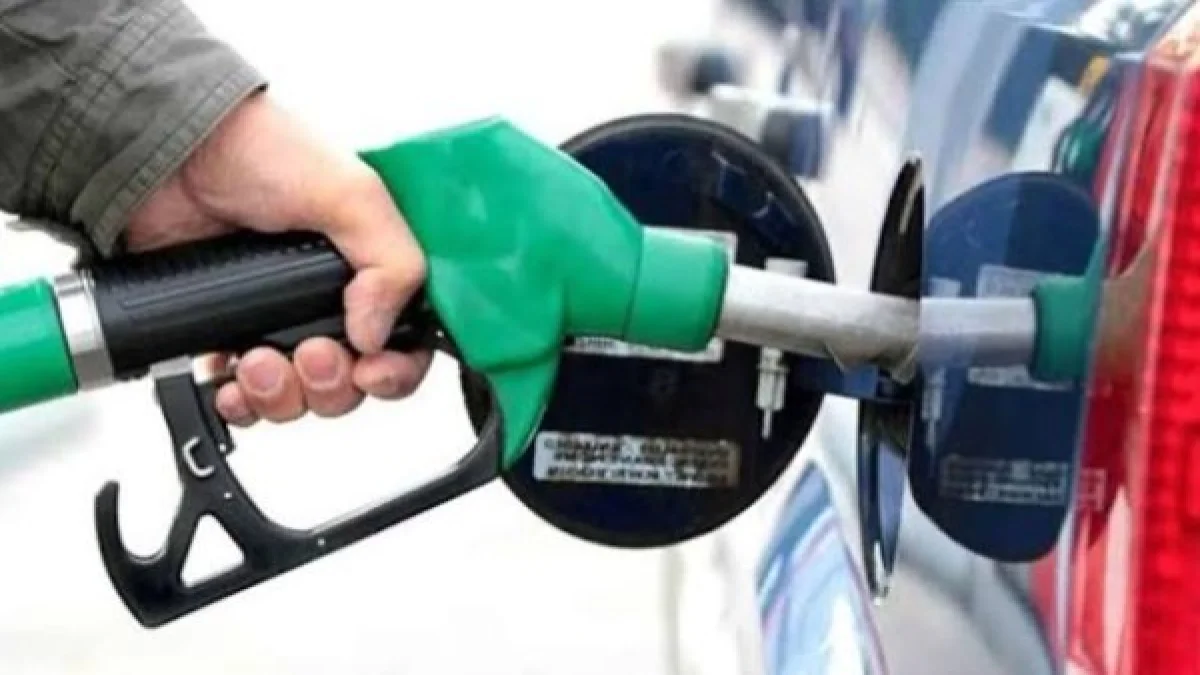
Fuel Consumption Spiked Suddenly? Check These Issues Before Visiting a Mechanic
A sudden increase in fuel consumption may result from simple issues such as low tire pressure, aggressive driving, a dirty air filter, worn spark plugs, or a faulty oxygen sensor. Checking these components regularly improves fuel efficiency and avoids unnecessary repair costs. Don't rush to a mechanic before reviewing these points.
A sudden increase in your car's fuel consumption doesn't always mean a major engine failure. Often, the causes are simple and accumulate with daily use, such as low tire pressure, a dirty air filter, or worn spark plugs. Reviewing these points before heading to a mechanic can save you unnecessary costs.
Low Tire Pressure Wastes Fuel
Driving with under-inflated tires increases rolling resistance, forcing the engine to work harder to move the car and maintain speed. Checking tire pressure regularly and adjusting it to the manufacturer's specifications improves fuel economy, extends tire life, and enhances vehicle stability.
Driving Habits: Aggressive Acceleration and Repeated Braking
Heavy and frequent pressure on the accelerator followed by braking shortly after is one of the most common habits that raise fuel consumption. Smooth driving and maintaining a steady speed reduce engine load, while constant acceleration and aggressive driving in traffic lead to higher fuel use.
Dirty Air Filter and Worn Spark Plugs
The engine needs a proper amount of air for combustion, and a clogged air filter reduces airflow. In modern cars, the control unit can compensate for some of this shortage, but neglecting the filter for long periods can affect performance and increase fuel consumption. Spark plugs are responsible for igniting the air-fuel mixture; when the spark weakens or plugs wear out, combustion may not be efficient, leading to poor acceleration, engine vibration, difficult starting. Noticeably higher fuel consumption.
Oxygen Sensor: The Hidden Culprit
The oxygen sensor is a key component in determining the fuel quantity the engine needs, as it measures the oxygen level in exhaust gases and sends data to the car's computer. When the sensor gives an inaccurate reading, the control unit may increase the fuel amount, raising consumption and possibly triggering the check engine light. Inspecting or replacing this sensor when needed helps restore fuel efficiency.
Frequently Asked Questions
3 questions answered
Related News
View All News
Low Mileage Doesn't Mean Better Car: 7 Signs That Reveal a Used Car's True History
Seven signs reveal a used car's true mileage beyond the odometer reading. These include steering wheel wear, pedal and seat condition, button fading, and service history records. Odometer tampering remains…
Before Topping Up Engine Oil: 6 Mistakes That Give False Dipstick Readings
Checking engine oil accurately requires parking on level ground and waiting after engine shutdown. Toyota recommends waiting more than 5 minutes, Castrol about 10 minutes. Whether to check hot or…
Engine Oil Check: 6 Common Mistakes Ruining Your Dipstick Reading
Checking engine oil is essential for engine health, but common mistakes like parking on a slope or measuring right after shutting off the engine lead to inaccurate readings. The correct…
7 Warning Signs in Your Car That Reveal Serious Faults Early
Seven warning signs can reveal mechanical and electrical problems in your car before they escalate, including unusual engine temperature rise, new noises, and steering wheel vibration while braking. Ignoring these…

10 Common Mistakes When Buying a Used Car: Avoid Them All
Buying a used car can save money, but common mistakes lead to lost investments. Key errors include ignoring the total budget and judging the car by its exterior only. A…