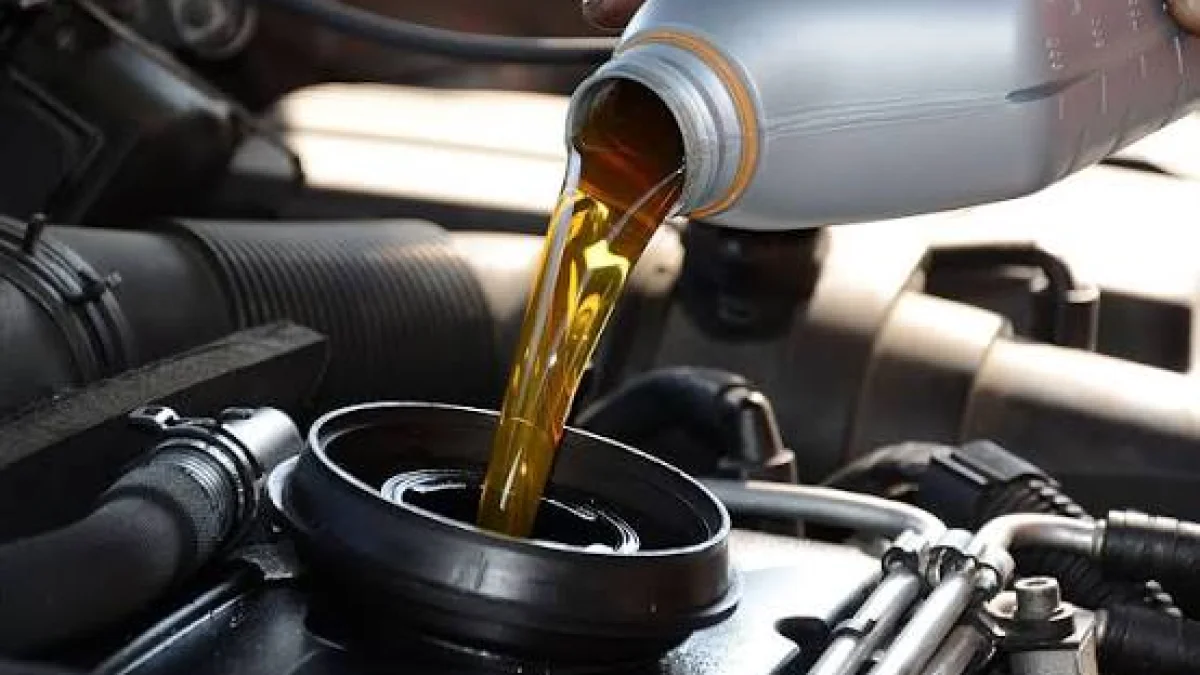
Before Topping Up Engine Oil: 6 Mistakes That Give False Dipstick Readings
Checking engine oil accurately requires parking on level ground and waiting after engine shutdown. Toyota recommends waiting more than 5 minutes, Castrol about 10 minutes. Whether to check hot or cold depends on your owner's manual. Avoid pulling the dipstick immediately; wipe it clean before reading.
Checking your engine oil should be simple, but it's easy to get wrong. Six common mistakes can skew the reading on your dipstick, leading you to overfill or run the engine low. Both scenarios risk damage. Before you pull that dipstick, know that automakers like Toyota and oil brands such as Castrol and Mobil have specific recommendations to get an accurate measurement. Ignoring them could cost you.
Why Your Toyota Corolla Reading Might Be Wrong
Parking on a slope is the first mistake. If the car is tilted even slightly, oil pools to one side, giving a false high or low reading. Always park on level ground. This isn't just nitpicking—a small incline can deceive you. Next, checking immediately after shutting off the engine. Oil needs time to drain back into the pan. Toyota suggests waiting more than 5 minutes, while Castrol's general guidance says about 10 minutes. Follow your owner's manual above all.
Hot or Cold? The Debate That Won't Die
Should you check oil with the engine cold or hot? There's no universal answer. Many cars allow a cold check before startup, or a hot check after waiting a few minutes. Mobil recommends checking before starting or 5 to 10 minutes after shutdown. But modern engines with electronic sensors may have their own rules. The key is to never apply one rule to all vehicles—consult your manual.
Pulling the dipstick and reading it right away is another common error. Oil can be smeared along the stick from recent driving or engine operation. The fix: wipe the dipstick clean, reinsert it fully, then pull it out again for a true reading. Don't trust the first look.
Other Mistakes You Might Miss
Other slip-ups include not pushing the dipstick all the way back in before pulling it out, reading the level from the dirty side instead of the tip, or confusing the MIN and MAX marks. These details add up to inaccurate readings. If the level is low, add oil gradually and recheck. Overfilling causes foaming and can harm the engine.
The bottom line? Checking oil isn't just about pulling a stick. It's a procedure with rules. Follow the manufacturer's advice, be patient, and you'll get a reliable reading that protects your engine. These six mistakes may seem minor, but their impact on engine life is huge. Don't ignore them.
Frequently Asked Questions
3 questions answered
Related News
View All News
Fuel Consumption Spiked Suddenly? Check These Issues Before Visiting a Mechanic
A sudden increase in fuel consumption may result from simple issues such as low tire pressure, aggressive driving, a dirty air filter, worn spark plugs, or a faulty oxygen sensor.…

Low Mileage Doesn't Mean Better Car: 7 Signs That Reveal a Used Car's True History
Seven signs reveal a used car's true mileage beyond the odometer reading. These include steering wheel wear, pedal and seat condition, button fading, and service history records. Odometer tampering remains…
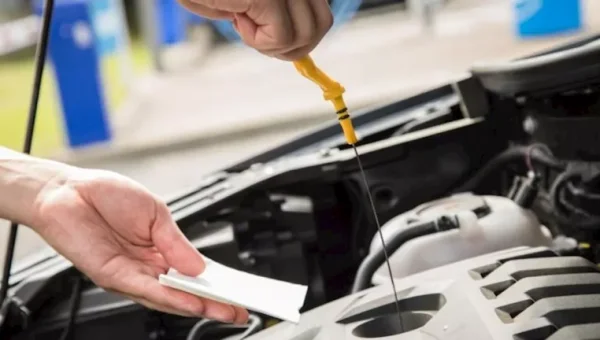
Engine Oil Check: 6 Common Mistakes Ruining Your Dipstick Reading
Checking engine oil is essential for engine health, but common mistakes like parking on a slope or measuring right after shutting off the engine lead to inaccurate readings. The correct…
7 Warning Signs in Your Car That Reveal Serious Faults Early
Seven warning signs can reveal mechanical and electrical problems in your car before they escalate, including unusual engine temperature rise, new noises, and steering wheel vibration while braking. Ignoring these…

10 Common Mistakes When Buying a Used Car: Avoid Them All
Buying a used car can save money, but common mistakes lead to lost investments. Key errors include ignoring the total budget and judging the car by its exterior only. A…