Engine Oil Check: 6 Common Mistakes Ruining Your Dipstick Reading
Checking engine oil is essential for engine health, but common mistakes like parking on a slope or measuring right after shutting off the engine lead to inaccurate readings. The correct method requires level ground, waiting several minutes, and cleaning the dipstick before reinserting it. Overfilling past the maximum mark can cause engine problems, and repeated oil loss may signal a leak or excessive consumption that needs immediate inspection.
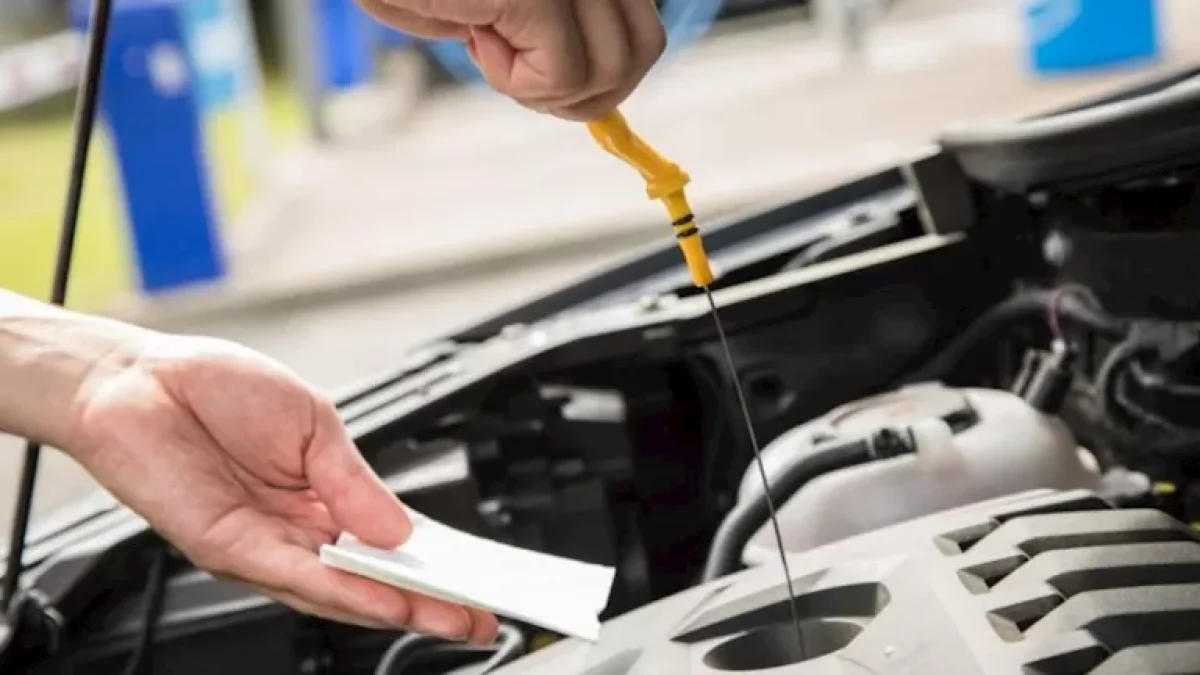
Checking engine oil sounds simple. Most drivers get it wrong. The first mistake happens before you even pull the dipstick — parking on uneven ground. When the car tilts, oil pools to one side of the pan, showing a level that's either too high or too low. The result? A maintenance decision built on a bad number. Since engine oil is the lifeblood of any internal combustion engine, a wrong reading can push you to overfill or ignore a real shortage.
Why a Wrong Reading Backfires
Measuring engine oil demands specific conditions. If the car sits on a slope, or if you check while the engine is still hot, the result doesn't reflect reality. Waiting after shutdown isn't optional — oil needs minutes to drain back into the pan. The right interval varies from one car to another, so checking the owner's manual is essential. Some vehicles need five minutes. Others ask for ten. These small details separate an accurate reading from a misleading one.
The Correct Step-by-Step Method
Start with the car on level ground. Shut off the engine and wait. Open the hood and locate the oil dipstick. Pull it out fully and wipe the tip with a clean cloth. Reinsert it all the way, then pull it again. Check the level — it should sit between the minimum and maximum marks. Don't trust the first reading. Repeat the check twice to confirm. That extra step catches plenty of errors.
Signs You Shouldn't Ignore
Oil color changes with use. If you spot clear debris or an unusual shift in appearance, that's a sign to inspect the car and consult the maintenance schedule. Repeated oil loss after topping up is another red flag — it could mean a leak or excessive consumption. Ignoring these signs shortens engine life. If you drive something like a Toyota Corolla or a Hyundai Elantra, a routine check every 1,000 km saves you from costly surprises.
Common Mistakes That Ruin the Result
Overfilling past the maximum mark is a serious error. Too much oil can cause engine problems — from leaks to internal pressure buildup. Add oil gradually, then recheck. Don't pour the whole amount at once. The rule is clear: a little with repeated checks beats too much with regret. Checking oil while the engine is running is another frequent mistake. The reading will always be low because the oil hasn't returned to the pan yet.
Checking engine oil isn't a luxury. It's the simplest preventive step that protects your engine from early wear. Spend two minutes every couple of weeks, and you'll catch any issue before it grows. Your car doesn't ask for much — but it punishes neglect with a hefty bill.
Frequently Asked Questions
3 questions answered
Related News
View All News
Fuel Consumption Spiked Suddenly? Check These Issues Before Visiting a Mechanic
A sudden increase in fuel consumption may result from simple issues such as low tire pressure, aggressive driving, a dirty air filter, worn spark plugs, or a faulty oxygen sensor.…

Low Mileage Doesn't Mean Better Car: 7 Signs That Reveal a Used Car's True History
Seven signs reveal a used car's true mileage beyond the odometer reading. These include steering wheel wear, pedal and seat condition, button fading, and service history records. Odometer tampering remains…
Before Topping Up Engine Oil: 6 Mistakes That Give False Dipstick Readings
Checking engine oil accurately requires parking on level ground and waiting after engine shutdown. Toyota recommends waiting more than 5 minutes, Castrol about 10 minutes. Whether to check hot or…
7 Warning Signs in Your Car That Reveal Serious Faults Early
Seven warning signs can reveal mechanical and electrical problems in your car before they escalate, including unusual engine temperature rise, new noises, and steering wheel vibration while braking. Ignoring these…

10 Common Mistakes When Buying a Used Car: Avoid Them All
Buying a used car can save money, but common mistakes lead to lost investments. Key errors include ignoring the total budget and judging the car by its exterior only. A…