Why You Should Stop Resting Your Hand on the Gear Stick
Automotive experts warn that keeping your hand on the gear stick while driving can accelerate wear on transmission components and lead to costly repairs. This common habit, often done unconsciously, places unnecessary pressure on internal parts designed only for gear changes.
How Vibration Damages the Transmission
The gear stick is engineered specifically for shifting gears, not as a handrest. When a driver rests their hand on it, constant low-level vibrations from the engine transfer to the forks and bushings inside the transmission. Even light pressure causes gradual wear, and over time, this can result in partial or complete transmission failure—repairs that are notoriously expensive.
Other Harmful Driving Habits
Mechanics recommend returning your hand to the steering wheel immediately after changing gears. Additionally, drivers should avoid resting their foot on the clutch or brake pedal while waiting at traffic lights, as this puts excessive strain on the release bearing. Releasing the pedal abruptly also damages its components and increases repair costs.
Proper Use of Reverse Gear
Reverse gear should only be engaged after the vehicle has come to a complete stop. Attempting to shift into reverse while the car is still moving forward is a sure way to damage both manual and automatic transmissions, as the locking mechanism may not have enough time to activate properly.
Golden Rules for Transmission Longevity
Following simple rules—such as avoiding resting your hand on the gear stick, using the clutch only when necessary, and shifting gears smoothly—can help you avoid expensive repairs. The more care a driver gives to the transmission, the longer it will last without requiring mechanical intervention.
Related News
View All NewsNissan Patrol vs Toyota Land Cruiser: The Ultimate SUV Showdown
The Nissan Patrol and Toyota Land Cruiser continue their legendary rivalry in the Egyptian market. The Patrol offers a powerful V8 and luxurious interior, while the Land Cruiser boasts a…
After the Nissan Crisis: How to Inspect Your Car and Avoid Post-Sale Headaches
A major crisis involving Nissan vehicles in Egypt has shaken buyer confidence due to delivery delays and subsequent complaints. This guide outlines essential inspection steps before signing, covering body, engine,…
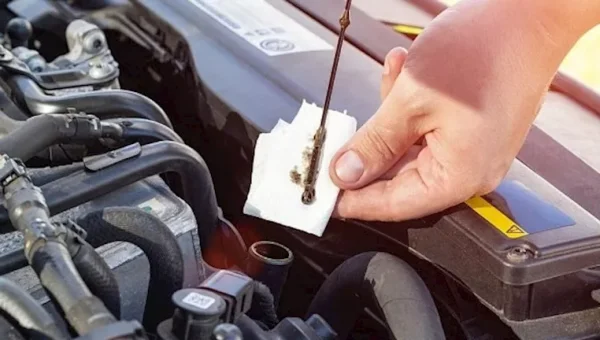
For Beginners: Simple Steps to Correctly Measure Your Car's Engine Oil
Measuring engine oil is a critical maintenance task, yet many drivers get it wrong. Park on a level surface, wait a few minutes after shutting off the engine, then pull…
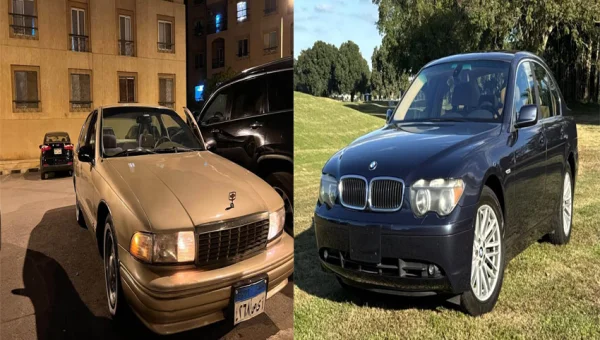
BMW E66 and Caprice 'Soap' — Two Sub-Million EGP Deals in 2026?
In Egypt's used car market, the BMW E66 (2007) and Chevrolet Caprice Classic LTZ (1996), known as the 'Soap,' compete for buyers seeking luxury under a million EGP. The BMW…
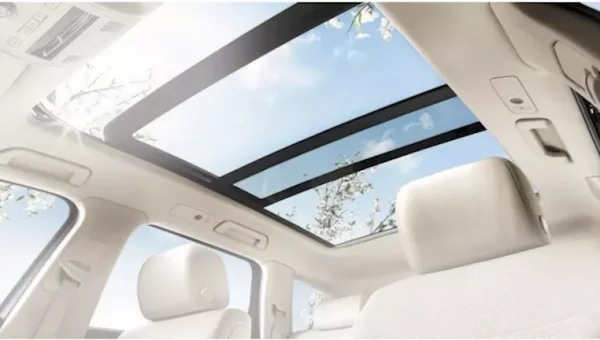
Panoramic Sunroof Problems: What Dealers Won't Tell You Before You Buy
Panoramic sunroofs are increasingly common in new and used cars thanks to their premium look, but they carry significant drawbacks including excessive cabin heat in hot climates and water leaks…