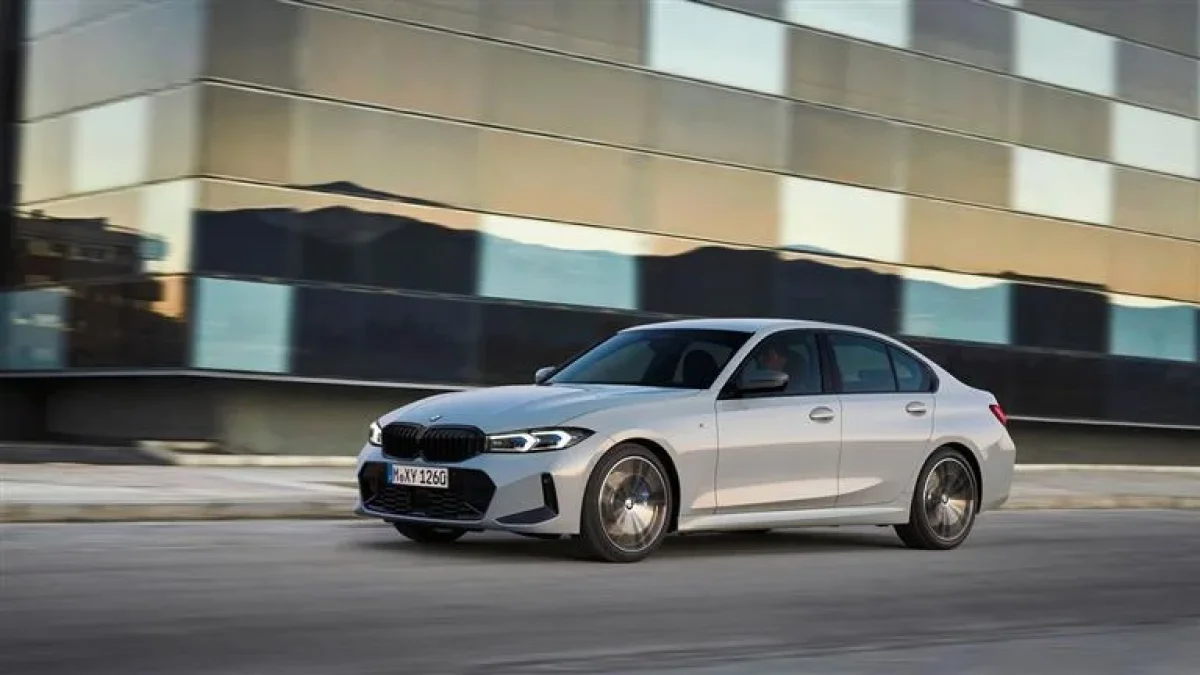
Luxury vs Reliability: A Head-to-Head Comparison Between Used BMW 320i and New Toyota Corolla
As car prices continue to rise in the Egyptian market, a budget of around one and a half million pounds opens the door to two entirely different choices: buying a brand-new Toyota Corolla with an official warranty, or owning a used BMW 320i from the premium segment for roughly the same amount. Despite the similar price point, the difference between the two cars goes far beyond the badge on the hood. It extends to driving philosophy, running costs, luxury levels, and resale value, making the purchase decision more challenging for many buyers.
Engine Performance and Transmission
The 2019 BMW 320i is powered by a 2.0-liter four-cylinder turbocharged engine producing 184 horsepower and 300 Nm of torque, paired with an 8-speed automatic transmission and a rear-wheel-drive system that delivers sporty performance and quick response on the road. In contrast, the 2026 Toyota Corolla features a 1.6-liter four-cylinder VVT-i engine with 120 horsepower, linked to a CVT automatic transmission. The performance gap is clear: the BMW offers a more thrilling driving experience, while the Corolla focuses on fuel efficiency and smoothness.
Interior Features and Luxury Level
The BMW 320i delivers a distinct driving experience thanks to high-quality cabin materials, excellent sound insulation, sport seats, a larger central screen, and a suite of driver-assistance systems that reflect its premium nature. The Toyota Corolla, in its high-spec trim, comes equipped with a sunroof, a wireless charging pad, Bluetooth smartphone connectivity, and an updated center console with a 7-inch touchscreen running the Entune 3.0 infotainment system. Here, the BMW excels in luxury and craftsmanship, while the Corolla offers modern tech features but at a lower premium level.
Running Costs and Maintenance
This is one of the most critical aspects of the comparison. The maintenance costs of a used BMW 320i are significantly higher than those of a new Toyota Corolla. BMW spare parts are more expensive, and the need for specialized technicians increases the cost of routine service. In contrast, the Toyota Corolla enjoys a strong reputation for reliability and low maintenance costs, especially with the official warranty covering the new car for an extended period. The availability of spare parts in the Egyptian market further enhances the Corolla's appeal as a practical choice for buyers looking for a long-lasting vehicle without unexpected expenses.
Resale Value and Long-Term Reliability
Toyota cars generally retain high resale value in the Egyptian market, and the Corolla is no exception, especially as a modern, reliable model. On the other hand, the BMW 320i depreciates faster, and finding a buyer when reselling can be more difficult compared to the Corolla. In terms of long-term reliability, the Corolla is known for its low failure rate and ability to operate efficiently for many years, while the BMW is more prone to electrical and mechanical issues as it ages.
Verdict: Which One Should You Choose?
The choice between a used BMW 320i and a new Toyota Corolla ultimately depends on the buyer's needs and priorities. If you seek a sporty, luxurious driving experience and are willing to accept higher maintenance costs and reliability risks, the BMW delivers an unmatched feel. However, if your focus is on economy, long-term dependability, and lower running costs, the new Toyota Corolla is the more practical and safer choice. In short, it is a battle between luxury and reliability, between prestige and trust—and the final decision rests in the buyer's hands.
Related News
View All NewsNissan Patrol vs Toyota Land Cruiser: The Ultimate SUV Showdown
The Nissan Patrol and Toyota Land Cruiser continue their legendary rivalry in the Egyptian market. The Patrol offers a powerful V8 and luxurious interior, while the Land Cruiser boasts a…
After the Nissan Crisis: How to Inspect Your Car and Avoid Post-Sale Headaches
A major crisis involving Nissan vehicles in Egypt has shaken buyer confidence due to delivery delays and subsequent complaints. This guide outlines essential inspection steps before signing, covering body, engine,…
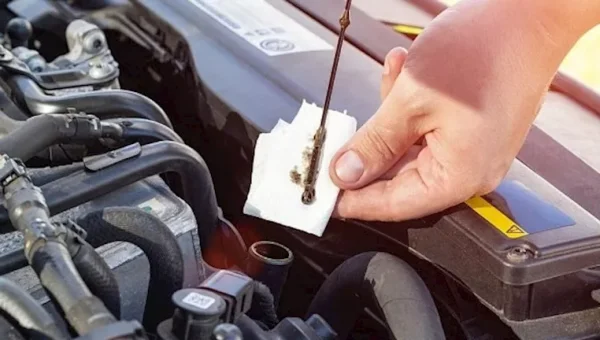
For Beginners: Simple Steps to Correctly Measure Your Car's Engine Oil
Measuring engine oil is a critical maintenance task, yet many drivers get it wrong. Park on a level surface, wait a few minutes after shutting off the engine, then pull…
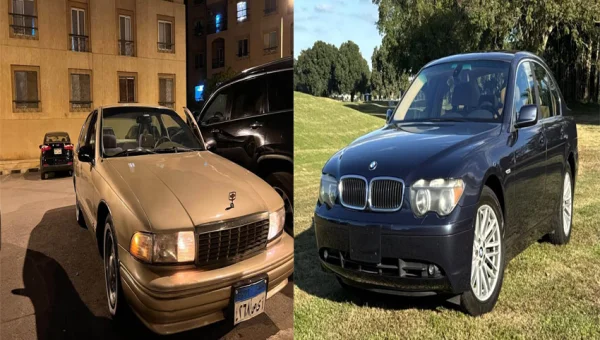
BMW E66 and Caprice 'Soap' — Two Sub-Million EGP Deals in 2026?
In Egypt's used car market, the BMW E66 (2007) and Chevrolet Caprice Classic LTZ (1996), known as the 'Soap,' compete for buyers seeking luxury under a million EGP. The BMW…
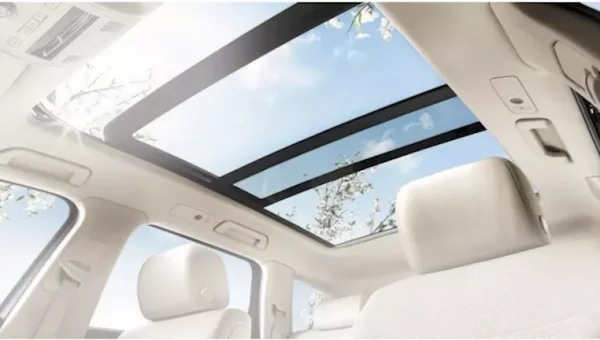
Panoramic Sunroof Problems: What Dealers Won't Tell You Before You Buy
Panoramic sunroofs are increasingly common in new and used cars thanks to their premium look, but they carry significant drawbacks including excessive cabin heat in hot climates and water leaks…