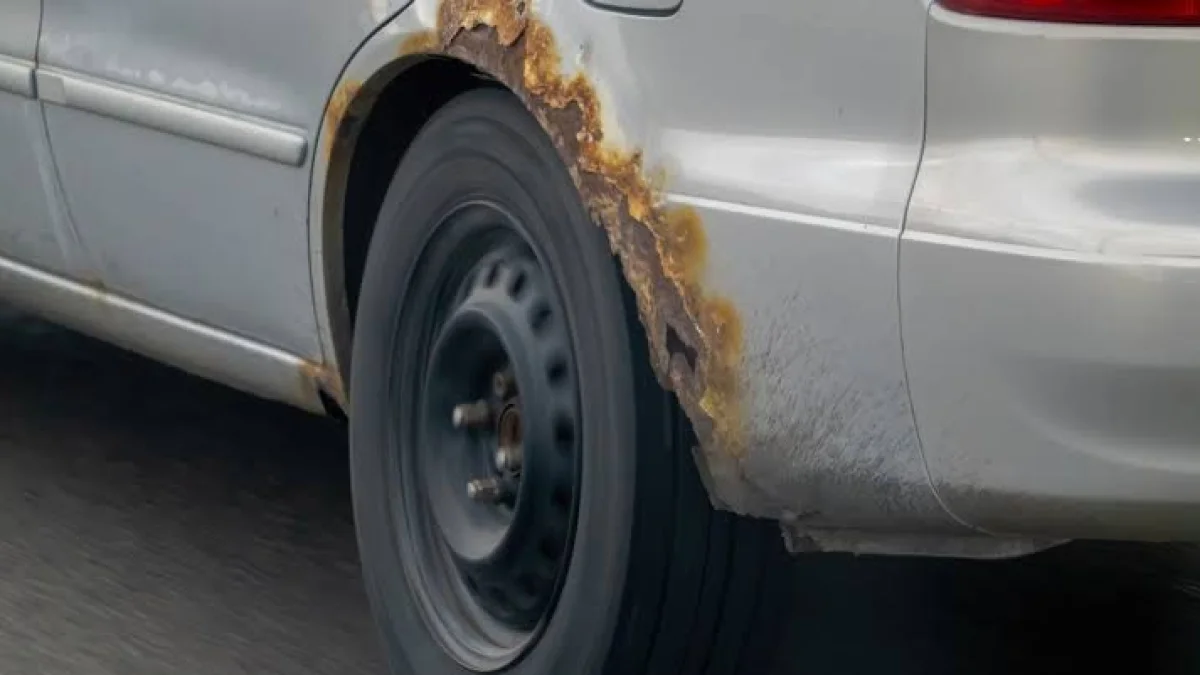
Proper Drying After Washing Can Protect Your Car Body From Rust and Costly Repairs
Washing a car in front of the home has become one of the quickest ways for many owners to keep their vehicles clean, and many people rely on a building caretaker to perform the task regularly. However, the real risk is not the water itself. The way the vehicle is dried after washing can make a significant difference. Failing to dry the car thoroughly may gradually lead to rust formation, shorten the vehicle's service life, and contribute to unnecessary water waste caused by frequent washing.
Incomplete Drying Increases the Risk of Rust
Amr El Sayed, manager of a specialized auto body repair center, explained that washing a vehicle without drying it properly significantly increases the likelihood of rust formation, commonly known as corrosion, which can damage the metal body panels and eventually require expensive repair work. According to him, the issue is caused by lingering moisture rather than the washing process itself.
He noted that many people who wash cars outside residential buildings overlook thorough drying, allowing water to remain trapped in hidden areas such as door edges, beneath window seals, rubber trim, and the metal seams inside the trunk and hood. Because these areas are difficult to inspect, moisture can remain unnoticed for extended periods, creating ideal conditions for corrosion to develop.
Moisture Can Damage the Body From the Inside
El Sayed added that repeated washing combined with poor drying allows moisture to stay inside the vehicle's hidden cavities for long periods. Over time, this gradually wears away the protective layers covering the body, enabling rust to begin forming internally before any visible signs appear on the exterior. As a result, detecting the damage during its early stages becomes much more difficult.
He also stressed that repairing advanced rust damage may cost vehicle owners thousands of pounds and could keep the car at a repair center for several days depending on the extent of the deterioration. For that reason, he recommended ensuring the vehicle is completely dried after every wash, paying particular attention to door edges, areas beneath the windows, and the openings around the trunk and hood instead of wiping only the visible exterior surfaces. He emphasized that reminding whoever washes the vehicle to complete this final step can help preserve the body structure, avoid costly repairs, and maintain the vehicle's resale value, especially since rust remains one of the most significant factors affecting a used car's condition and market price.
Related News
View All NewsNissan Patrol vs Toyota Land Cruiser: The Ultimate SUV Showdown
The Nissan Patrol and Toyota Land Cruiser continue their legendary rivalry in the Egyptian market. The Patrol offers a powerful V8 and luxurious interior, while the Land Cruiser boasts a…
After the Nissan Crisis: How to Inspect Your Car and Avoid Post-Sale Headaches
A major crisis involving Nissan vehicles in Egypt has shaken buyer confidence due to delivery delays and subsequent complaints. This guide outlines essential inspection steps before signing, covering body, engine,…
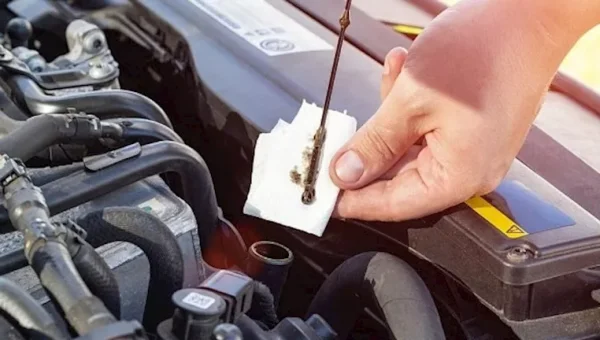
For Beginners: Simple Steps to Correctly Measure Your Car's Engine Oil
Measuring engine oil is a critical maintenance task, yet many drivers get it wrong. Park on a level surface, wait a few minutes after shutting off the engine, then pull…
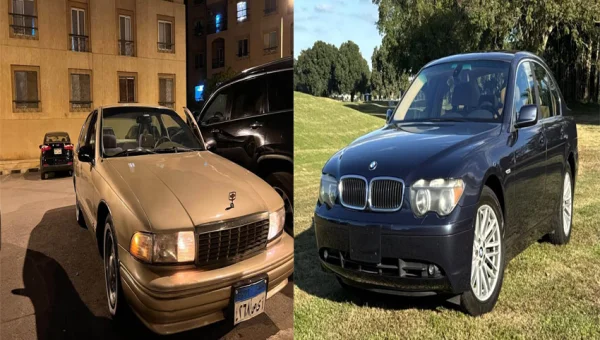
BMW E66 and Caprice 'Soap' — Two Sub-Million EGP Deals in 2026?
In Egypt's used car market, the BMW E66 (2007) and Chevrolet Caprice Classic LTZ (1996), known as the 'Soap,' compete for buyers seeking luxury under a million EGP. The BMW…
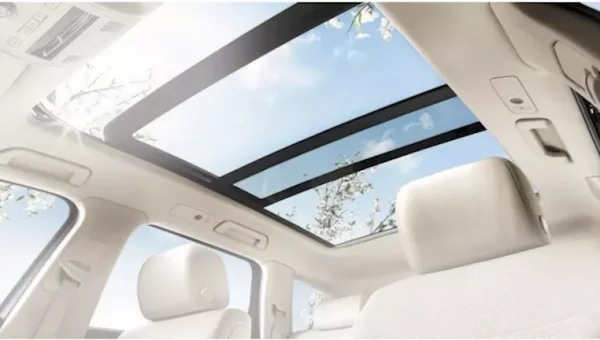
Panoramic Sunroof Problems: What Dealers Won't Tell You Before You Buy
Panoramic sunroofs are increasingly common in new and used cars thanks to their premium look, but they carry significant drawbacks including excessive cabin heat in hot climates and water leaks…