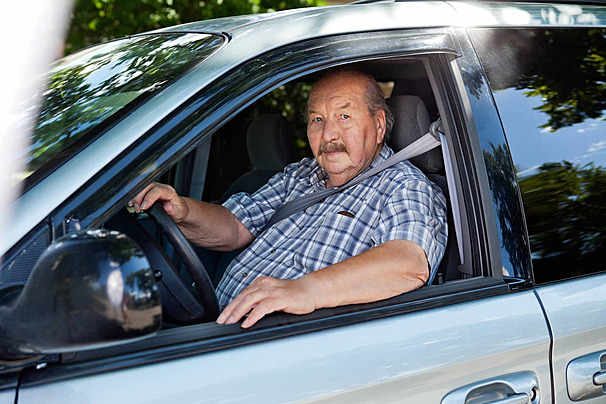
15 Dangerous Habits Threatening Elderly Drivers: From Slow Driving to Ignoring Blind Spots
Walid Abdo, manager of a car maintenance center, revealed 15 habits that elderly drivers must review to ensure safe driving, including driving too slowly without reason, relying on mirrors and ignoring blind spots, misjudging distances, and forgetting turn signals. Natural age-related changes like slower reaction speed and poor night vision increase the danger of these habits. Experts recommend adjusting mirrors, checking blind spots, and using turn signals early to avoid accidents.
Driving isn't exclusive to any age group, but getting older brings real challenges that demand special awareness. Walid Abdo, manager of a car maintenance center, revealed 15 habits that elderly drivers must review immediately to ensure their safety and that of others on the road. Natural changes in reaction speed, vision strength—especially at night—and neck flexibility all make certain bad habits more dangerous over time.
Why Do Risks Increase with Age?
As drivers age, natural changes occur. Reaction speed declines, and the ability to judge distances and the speed of surrounding cars may gradually weaken. These changes may seem minor at first, but they interact with certain bad habits to increase driving risks in sudden situations or crowded roads. The vast experience elderly drivers possess behind the wheel doesn't compensate for these challenges if not handled with awareness.
Top Bad Habits That Must Be Reviewed
1- Driving Too Slowly Without Reason
Driving much slower than the flow of traffic, without a justified reason, can confuse other drivers and increase the chances of dangerous situations. The better approach is to choose a speed appropriate to road limits, traffic conditions, weather, and visibility, rather than excessively slow driving.
2- Relying on Mirrors and Ignoring Blind Spots
With age, neck movement may become harder for some drivers, making blind spot checks more difficult. One shouldn't rely on mirrors alone; they should be properly adjusted, and the side area must be checked before changing lanes, especially on highways.
3- Misjudging Distances
Entering traffic or changing lanes requires accurate judgment of distance and the speed of oncoming cars. If unsure about sufficient space, it's better to wait and not rush, especially since a simple decision in such situations can lead to an accident.
4- Forgetting to Use Turn Signals
Turn signals aren't just a routine procedure; they're an essential means of informing other drivers of the driver's intentions. Therefore, the signal should be activated well before changing lanes or turning, not at the last moment.
Practical Tips for Elderly Drivers
Safe driving isn't only about age; it's about awareness and the ability to adapt. Elderly drivers can continue driving safely by reviewing their habits periodically and paying attention to any changes in their physical abilities. Regular vision checks, neck flexibility exercises. Avoiding night driving if vision is poor are all simple yet effective steps. Most importantly, don't hesitate to ask for help or use alternative transportation when feeling any decline in abilities.
Frequently Asked Questions
3 questions answered
Related News
View All News
10 Hidden Signs of Used Car Problems Before You Buy
In Egypt's used car market, price and mileage are not enough to decide. Experts reveal ten signs that expose hidden faults before you pay, including cold engine inspection, body and…
10 Hidden Signs of Used Car Problems Before You Buy
In Egypt's used car market, price and mileage are not enough to decide. Experts reveal ten signs that expose hidden faults before you pay, including cold engine inspection, body and…
7 Causes of Steering Wheel Vibration at High Speeds and How to Protect Your Car
Steering wheel vibration at high speeds is a common problem that starts mild and worsens over time. Causes include wheel imbalance, damaged tires, bent rims, and worn suspension and steering…
Buick LeSabre 1979 vs Volvo 164E 1973: A Classic Showdown in Egypt
The Buick LeSabre 1979 and Volvo 164E 1973 represent two distinct automotive philosophies: American power and space versus Swedish durability and safety. The Buick produces 170 horsepower from a 3.8-liter…
Car Startup Noises: 7 Warning Signs That Could Save Your Engine
Startup noises range from harmless to seriously alarming. Rapid clicking usually points to a weak battery or corroded terminals, while a single loud clunk suggests a starter motor or relay…