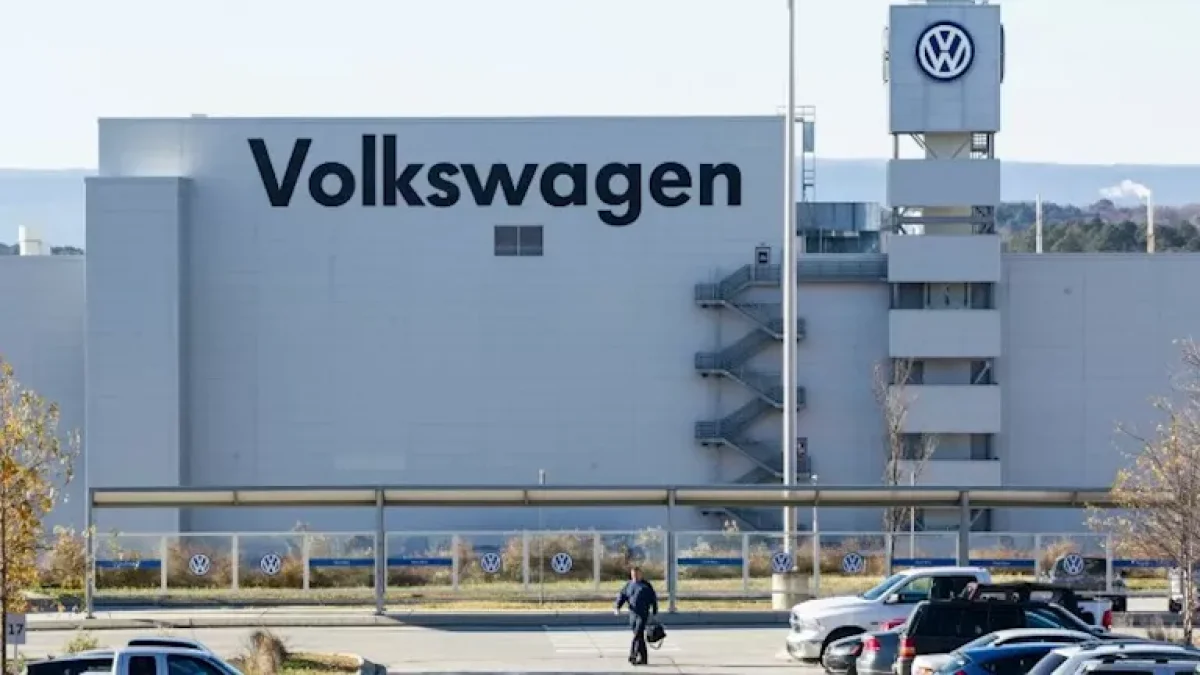
Volkswagen Plans to Shut Down 4 German Plants by 2034
Volkswagen's management board plans to propose ending production at four German factories from 2031 to 2034, according to documents reviewed by WirtschaftsWoche magazine. Emden and Zwickau close first in 2031, followed by Hanover in 2032, with Neckarsulm shutting down last in 2034. The company declined to comment on the leaked supervisory board documents.
A new report reveals that Volkswagen's management board intends to propose ending production at four German facilities, with closures stretching from 2031 through 2034. German business magazine WirtschaftsWoche reviewed internal documents prepared for the company's supervisory board, outlining a phased shutdown across the country.
The Closure Timeline for Volkswagen's German Plants
Emden and Zwickau plants will halt production first in 2031, followed by the Hanover facility a year later. Neckarsulm keeps running until 2034, longer than any other site on the list. Four factories. Billions in potential savings. The plan touches thousands of jobs and marks one of the most dramatic restructuring moves in the company's history, though Volkswagen has yet to confirm anything officially.
A company spokesperson said Volkswagen doesn't comment on the contents of supervisory board documents, declining to elaborate on what these locations might become once manufacturing ends. The leaked paperwork apparently doesn't specify whether the sites would be repurposed, sold, or dismantled entirely — leaving workers and local governments in limbo while the automaker weighs its options.
Why Volkswagen Faces Mounting Pressure in Germany
German car manufacturing carries heavy burdens these days — rising energy costs and expensive labor make domestic production less competitive against factories elsewhere. Chinese automakers are flooding the electric vehicle market with affordable models, squeezing margins for established European players like Volkswagen that once dominated the segment. The shift toward EVs isn't just about technology; it's rewiring consumer demand patterns across Europe's biggest auto market.
Volkswagen's restructuring efforts in Germany have been building for months, with cost-cutting programs aimed at boosting competitiveness amid what analysts describe as structural challenges rather than temporary hiccups. The company has already announced streamlining initiatives, but closing entire plants signals a deeper transformation of its industrial footprint in a country where automotive remains an economic cornerstone. Vehicle prices are expected to face more pressure as automakers across the continent pursue similar efficiency drives, potentially reshaping what German buyers can afford in the coming decade. The decisions made now will determine how VW navigates the transition while keeping its heritage brand intact through one of the most turbulent periods the industry has ever seen.
Frequently Asked Questions
3 questions answered
Related News
View All News
LUXEED Prepares for Global Launch on October 21 in Wuhu, China
LUXEED is preparing to hold its global launch event on October 21 in Wuhu, Anhui Province, China, under the theme 'Intelligence, Enlightened.' The event will feature the world premiere of…

Avatr CONCEPT T09 with 1000+ HP Challenges Maybach and Rolls-Royce at Paris Show
Avatr unveils the CONCEPT T09 at the 2026 Paris Motor Show, a large luxury SUV with over 1000 horsepower and massive dimensions (5285 mm length). It features a hybrid powertrain…

Morocco Produces 700,000 Cars Annually, Surpassing Italy with $16 Billion in Export Revenue
Morocco has solidified its position as an African manufacturing power, producing 700,000 vehicles annually and generating over $16 billion in automotive export revenue, outpacing Italy. Industrial activity spans 150 zones…
Opel CEO: Adam Small Car Out of Plans Until 2030 Due to EU Regulations
Opel CEO Florian Huettl has confirmed the Adam small car is not in the company's product plans until 2030 due to stringent European regulatory requirements. Speaking at the 2026 Paris…
Tesla Roadster Jumps Mid-Air with SpaceX-Inspired Rocket Technology
Tesla has revealed the next-generation Roadster in a Texas demonstration where the car jumped into the air and rotated before landing, using thrusters inspired by SpaceX rockets. The system relies…