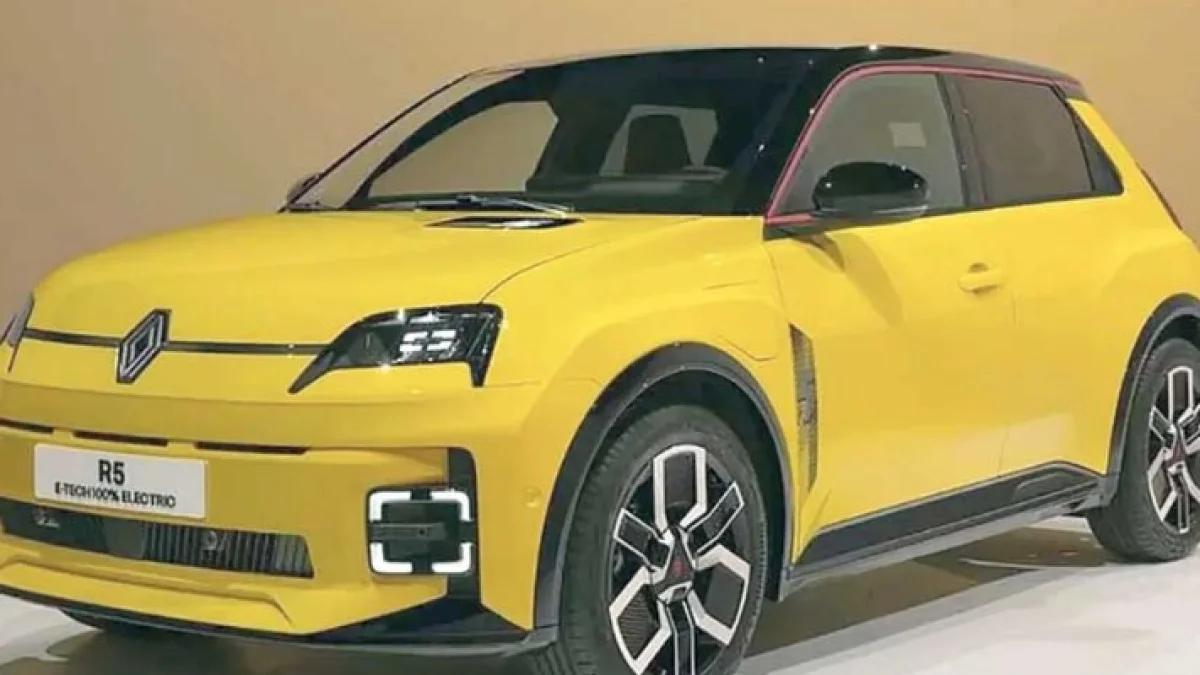
Electric Cars Are Closing in on European Market Leadership in July 2026
The European market is seeing a notable shift toward electric vehicles in July 2026, driven by rising oil prices and expanding government subsidies. New models with competitive pricing are becoming accessible to consumers, strengthening electricity's position as a primary choice. Charging infrastructure is expanding rapidly, and companies are investing heavily in this sector. Forecasts suggest electric vehicles will lead the European market within two years.
The European automotive market is witnessing a fundamental shift in consumer preferences, with electric vehicles charging hard toward the top spot during July 2026. Surging oil and fuel prices, combined with expanding government support programs, have pushed demand for electric models to unprecedented levels. European manufacturers are responding by launching new models at increasingly competitive prices, reshaping the entire industry landscape.
What's Fueling Electric Vehicle Growth in Europe?
The numbers tell a clear story of structural transformation in the European market. High traditional fuel costs make every electric kilometer far cheaper for the average consumer, especially with geopolitical tensions keeping oil prices elevated. Government support programs across several European nations act as an additional catalyst, offering tax breaks and direct financial incentives to encourage the switch to clean mobility, narrowing the price gap between electric and conventional vehicles.
The launch of new models at more competitive prices forms the third pillar of this growth story. European consumers viewed electric cars as an unattainable luxury product for years, but manufacturers have succeeded in cutting production costs while improving battery energy density. This technical progress has made it possible to offer vehicles with an electric range exceeding 400 kilometers in the mid-price segment. That changes the game entirely.
The Impact of the Electric Shift on Europe's Car Landscape
The question is no longer whether electric vehicles will surpass internal combustion engines, but when this will happen. The shift seen in July 2026 isn't merely a temporary sales spike; it signals that charging infrastructure has become far more widespread, alleviating the range anxiety that held many buyers back. Major European cities are seeing rapid expansion of fast-charging networks that can top up a battery to 80% in under 30 minutes, a crucial factor in winning over skeptical customers.
Forecasts indicate this wave will push electric cars into the leadership position within the next two years. Automakers across the continent are pouring billions of euros into developing dedicated electric platforms, while governments move to tighten emission standards progressively. All these factors combine to make the European market a true laboratory for the global industry's future, with emerging markets watching the results closely before charting their own course.
Frequently Asked Questions
3 questions answered
Related News
View All News
Tesla Roadster Jumps Mid-Air with SpaceX-Inspired Rocket Technology
Tesla has revealed the next-generation Roadster in a Texas demonstration where the car jumped into the air and rotated before landing, using thrusters inspired by SpaceX rockets. The system relies…
Opel CEO: 1000 km Electric Car Possible Technically, But Economically Illogical
Opel CEO Florian Huettl stated that a 1,000-kilometer electric car is technically feasible but economically illogical due to cost and weight. Speaking at the 2026 Paris Motor Show, he explained…
BYD Launches 600 km Electric Truck Offensive Against European Giants
BYD has announced its entry into Europe's heavy truck sector with an electric model offering up to 600 kilometers of range and a 20% to 80% charge time of roughly…
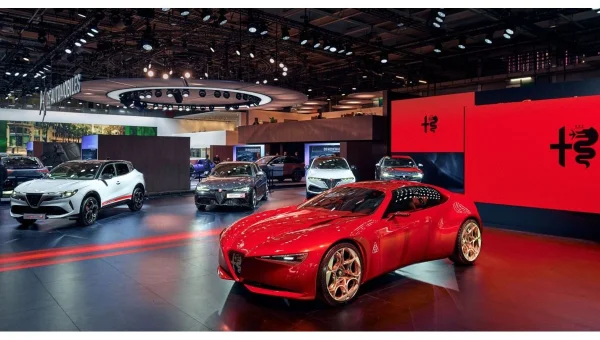
Alfa Romeo Steals the Spotlight at Paris Motor Show 2026 with Cuorerosso Concept
Alfa Romeo has unveiled the Cuorerosso concept car in its world premiere at the Paris International Motor Show 2026. The stand features the Junior, Tonale, Giulia, and Stelvio in the…
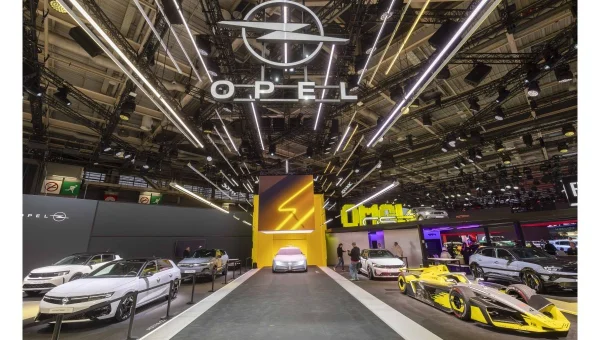
Opel Unveils High-Performance GSE Models at Paris Motor Show 2026
Opel has revealed its complete GSE high-performance lineup at the Paris Motor Show 2026, featuring the world premiere of the GSE 27FE electric race car with over 800 horsepower. The…