US Commerce Secretary Accuses China of Igniting Global EV Price War
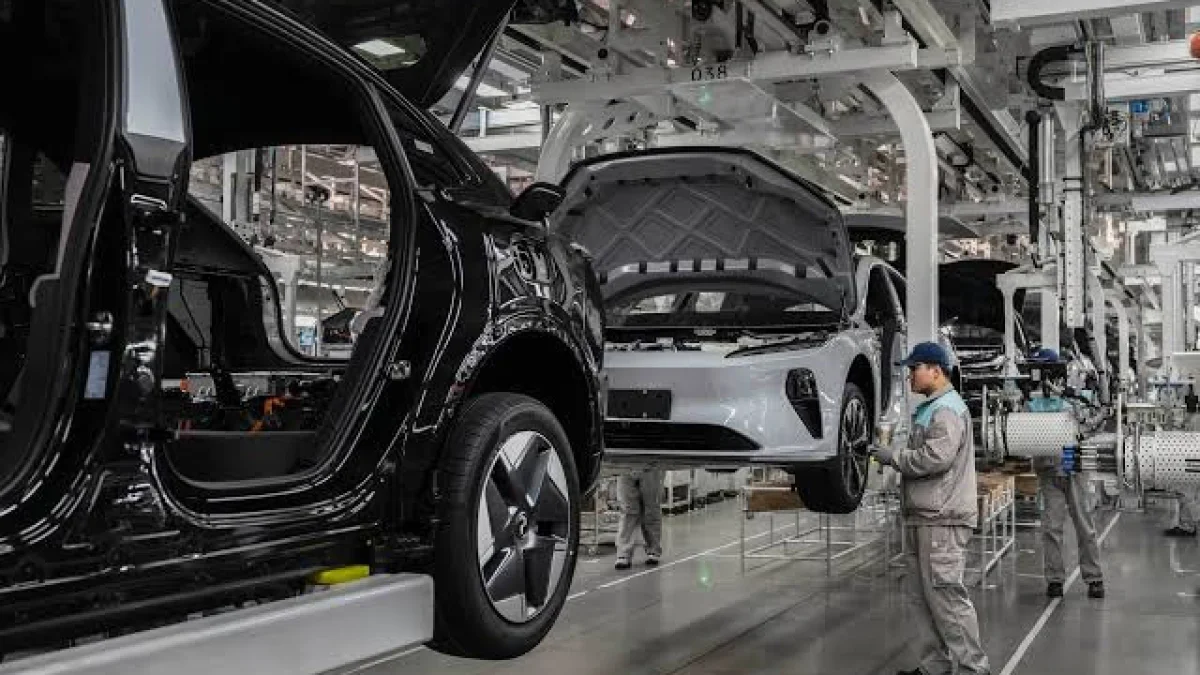
Washington is firing new shots at China's electric vehicle industry. US Commerce Secretary Howard Lutnick revealed that Beijing relies on a massive state-backed production surplus, threatening European automakers and redrawing the global competitive map with prices that are hard to match.
An Economic Model Built on Production Surplus
The Commerce Secretary explained that the Chinese economy operates on a surplus-production model. Local governments across China are racing to establish EV companies with substantial state financial backing. Every province has at least two companies, and all are competing to produce the most successful one.
This approach didn't emerge from nowhere. China lacks sufficient oil and natural gas resources, making EV manufacturing a strategic priority. The result is a massive number of fiercely competing companies, all receiving government subsidies that allow them to significantly cut prices.
Prices Below Actual Cost
Government support allows some companies to sell cars at prices far below their actual production costs. A vehicle costing around $30,000 to produce may be offered in European markets for just $15,000. The goal is clear: capture market share and push competitors aside.
These policies are putting major European automakers under increasing pressure. Volkswagen is among the most affected, struggling to compete with Chinese cars on price despite their attractive features and specifications.
Market-Dumping Strategy
Lutnick stressed that China aims to export its production surplus to global markets through what he described as a "market-dumping" policy. This model, driven by intensive production and state support, has become one of the most significant challenges facing the global automotive industry today.
Related News
View All News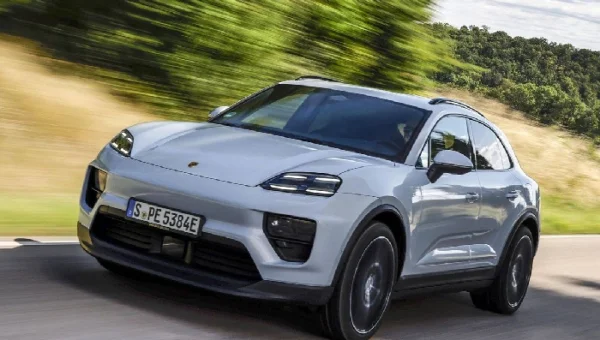
Porsche Brings Petrol Power Back to Macan Class with New SUV in 2028
Porsche is preparing to reintroduce petrol and hybrid engines to the compact SUV segment through a new standalone model planned for around 2028. The move follows the end of combustion…

Tarek Masoud: Africa Has a Historic Opportunity to Build a Global Auto Industry Hub
Tarek Masoud, President of the African Association of Automotive Manufacturers, called on governments and the private sector to accelerate concrete industrial projects rather than just policies. Speaking at the Africa…
General Motors Sales Drop 5.5% in Q3 as EV Demand Cools
General Motors announced a 5.5% drop in Q3 sales to 670,974 vehicles. Electric vehicle sales plummeted after federal incentives ended, with Equinox EV falling 92.4%. Meanwhile, Toyota's electrified vehicle sales…
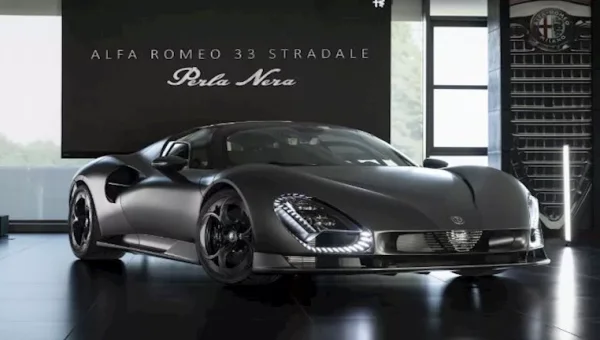
Alfa Romeo Unveils the Only 33 Stradale Perla Nera in the World at Arese Museum
Alfa Romeo has unveiled the only unit in the world of its 33 Stradale Perla Nera, featuring a fully exposed carbon fiber body with a matte finish. The car is…
China Faces Crisis as 4 Million Unsold Cars Pile Up — Experts Warn of Golden Era's End
China's automotive industry is grappling with a mounting crisis as more than 4 million unsold vehicles pile up in the world's largest car market. Production stands at 33 million cars…