China Faces Crisis as 4 Million Unsold Cars Pile Up — Experts Warn of Golden Era's End
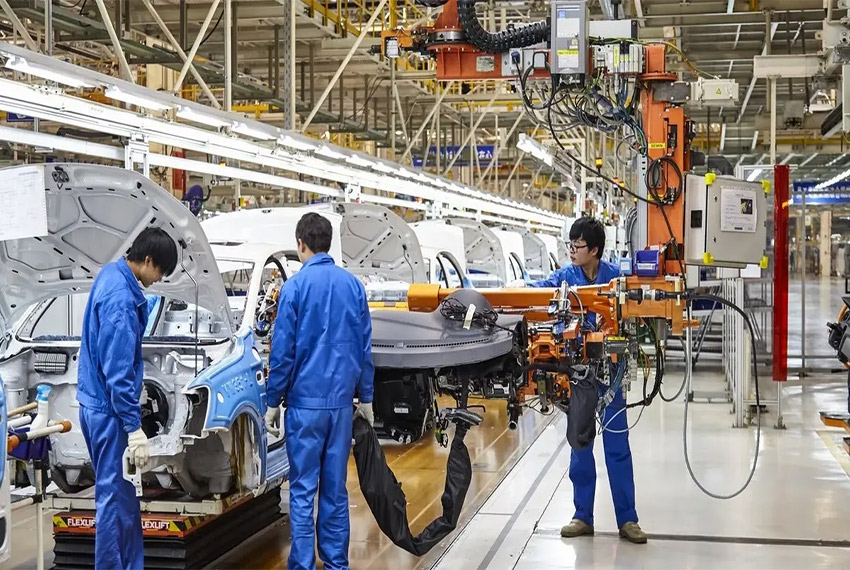
China's automotive industry is grappling with a mounting crisis as more than 4 million unsold vehicles pile up in the world's largest car market. Production stands at 33 million cars annually while domestic demand weakens, forcing manufacturers into deep discounts to protect market share. The head of NIO warned that the golden age of China's auto industry may be nearing its end. The massive inventory threatens to prolong price wars and intensify pressure on manufacturers.
China's auto industry is drowning in unsold inventory. Over 4 million vehicles are sitting idle awaiting buyers in the world's largest car market, according to a report citing Reuters. The figure exposes a widening gap between massive production and shrinking demand.
Overproduction Meets Weakening Demand
China builds roughly 33 million cars annually — a staggering number that underscores its manufacturing might but masks a deepening problem. The domestic market simply can't absorb this volume anymore, especially as demand cools and supply keeps climbing. The result? A stockpile that keeps growing.
More than 370 million vehicles already crowd Chinese roads, compared to 300 million in the United States and a similar figure across Europe. These numbers reveal a market reaching saturation after years of relentless growth. Saturation brings immense pressure on manufacturers.
Price War Intensifies as Warnings Mount
Chinese automakers have resorted to aggressive discounts to defend their market share. Fierce competition — particularly in the electric vehicle segment — has pushed producers to slash profit margins to dangerous levels. But the discounts haven't solved the problem. They've made it worse.
The head of NIO issued a blunt warning: China's golden age for car manufacturing may be nearing its end. His statement reflects growing anxiety among industry leaders about the current trajectory. The market is moving in one direction — toward further slowdown.
Potential Fallout for Global Markets
By early 2026, companies were searching for buyers for over 4 million stored vehicles. If sales continue to slide, that number could climb higher. Pressure on manufacturers will intensify, and the likelihood of prolonged price wars remains strong.
Price cuts could spill into export markets, intensifying competition for brands in Egypt and the Middle East. Chinese cars — which hold a growing share of the Egyptian market — may see shifts in pricing strategies in the coming period.
The current situation puts China's auto industry to a real test. The massive production capacity built over years needs matching demand, and that demand is no longer there at previous levels. A correction is coming. The question is: who will survive?
Frequently Asked Questions
3 questions answered
Related News
View All News
‘Made in Europe’ Rules Threaten UK Car Exports as Over 5,000 Amendments Delay Resolution
The UK automotive industry is facing a new crisis as ‘Made in Europe’ rules could exclude British products from preferential treatment within the EU. The situation is complicated by more…

Honda and Toyota Recall 1.6 Million Cars Over Takata Airbag Risk
Honda and Toyota are recalling approximately 1.6 million vehicles globally due to potentially defective Takata airbag inflators. The campaign covers 810,592 Honda and Acura vehicles in the US and about…
Europe's EV Registrations Jump 60% in October
Battery-electric vehicle registrations in Europe jumped more than 60% in October year-on-year, reaching 295,252 units and a 32.1% market share. Europe has logged 2.33 million EV registrations since the start…
Japanese Legend Car Prices Soar to Unprecedented Levels at Global Auctions
Prices for classic Japanese sports cars have soared to unprecedented levels at global auctions, driven by nostalgia and film fame. Hagerty values a pristine Acura NSX at around $250,000, while…
Oil Tanker Fires in Hormuz Ignite Global Auto Industry Supply Chain Fears
Escalating tensions in the Strait of Hormuz and oil tanker fires threaten the global auto industry with supply chain disruption and higher production, shipping, and insurance costs. Feeder industries such…