
After Putin's Remarks on Chinese Cars Dominance.. Where Are Russia's Most Famous Cars?
Russian President Vladimir Putin predicted that Chinese cars will become the most widespread globally in the coming years, speaking at the Valdai International Discussion Club in October 2026. His remarks highlight the history of Russia's automotive industry, which began in the Soviet era. Notable cars include the Pobeda from 1946, the Volga that replaced it in 1956, the Lada launched in 1970 with Fiat's cooperation, and the Niva from 1977 that became a global icon.
Russian President Vladimir Putin recently spoke about the crisis in the European car industry, predicting that Chinese cars will become more widespread globally in the coming years, as several European factories close. Putin's remarks came during the plenary session of the 23rd annual meeting of the Valdai International Discussion Club on October 1, where he said everyone will soon be driving Chinese cars, noting their combination of low price and quality. These statements open the door to revisiting the history of Russia's automotive industry. That began in the Soviet era before evolving into Russian brands and models known both domestically and abroad.
Pobeda.. The Victory Car
The GAZ Pobeda is one of the most prominent cars to emerge in the Soviet Union after World War II. Production began in 1946, and it was named "Victory," becoming a symbol of the country's post-war reconstruction. It also featured a relatively modern design for its time, and production continued until 1958.
Volga.. The Officials' Car
The GAZ Volga appeared in 1956 to replace the Pobeda and quickly became one of the most famous Soviet cars. Volga was associated with government and service vehicles, was also used by the police, and gained significant social status within the Soviet Union, with the Volga family remaining in production for decades.
Lada.. The People's Car
Lada represents one of the most important stages of Soviet automotive manufacturing, especially after the establishment of the Volga Automobile Plant in the city of Tolyatti in cooperation with Italian company Fiat. In 1970, the first VAZ-2101 cars rolled out, based on the Fiat 124 with modifications to suit operating conditions in the Soviet Union. Lada quickly became one of the most widespread cars in the country before expanding its lineup with numerous models.
Niva.. Russia's Most Famous Car
The Lada Niva is among the most famous Russian cars globally, with production starting in 1977. The Niva gained wide fame for its off-road capabilities and simple, durable design, and it remains popular among adventure enthusiasts today, making it an icon in the history of the Russian automotive industry.
Frequently Asked Questions
3 questions answered
Related News
View All News
Electric Vehicles Sweep Europe in 2026: 1.64 Million Units Sold as Cheaper Models and Pricier Fuel Shift the Market
Electric vehicle sales in the European Union reached 1.64 million units between January and August 2026, a 45% increase year-on-year. EVs captured 22% of the total car market, with available…
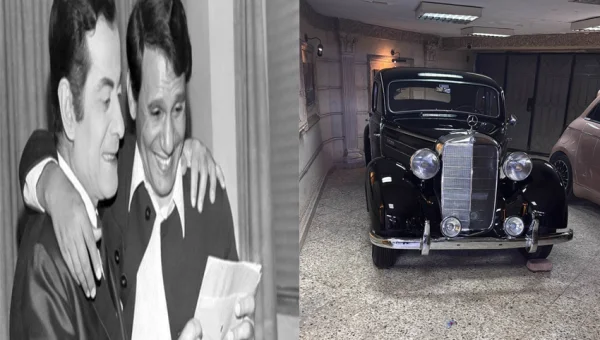
Mercedes 170 S: From Abdel Halim's Era to Million-Dollar Auctions — The Icon That Never Dies
The Mercedes-Benz 170 S from 1953 is a classic car tied to Egypt's golden era, owned by legendary singers Abdel Halim Hafez and Farid El Attrash. It was the first…

Britain Caught Between China and Europe: EV Tariffs Ignite a €24 Billion Battle
The British government is under pressure from the European Union to raise tariffs on Chinese electric cars in exchange for trade benefits and joining the "Buy European" program. The UK…
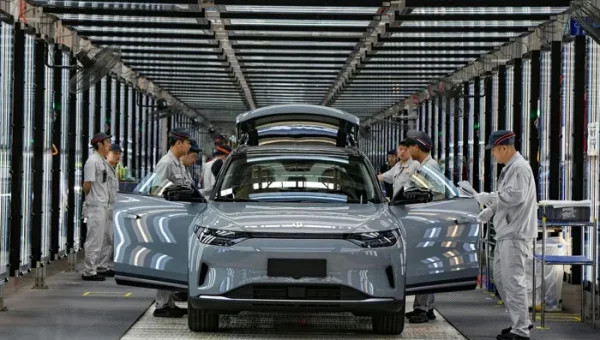
China Dominates Global Auto Market: 15 Million Cars in 6 Months
China produced and sold 15 million vehicles in the first half of 2026, surpassing the combined sales of European and American automakers. Chinese exports reached 5.1 million cars, with forecasts…
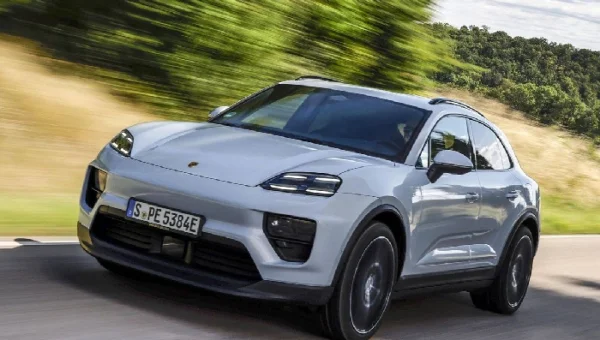
Porsche Brings Petrol Power Back to Macan Class with New SUV in 2028
Porsche is preparing to reintroduce petrol and hybrid engines to the compact SUV segment through a new standalone model planned for around 2028. The move follows the end of combustion…