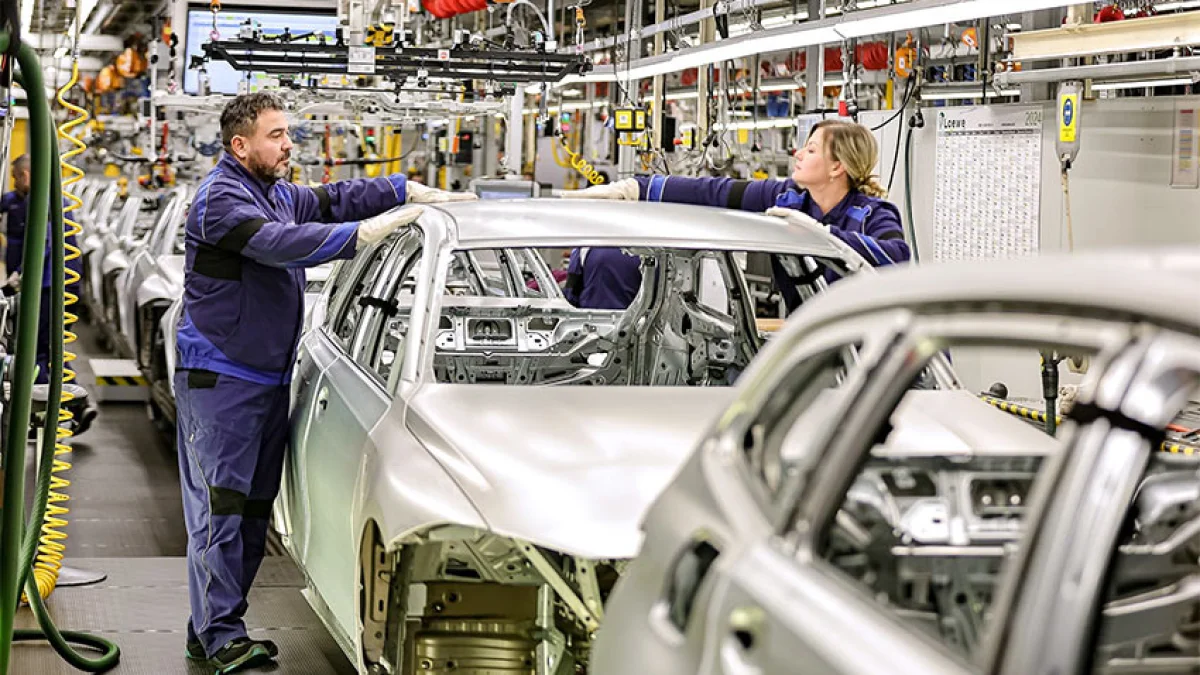
€49.5 Per Work Hour: Mercedes Threatens to Close German Plants
Germany's automotive industry faces a severe crisis as labor costs reach €49.5 per work hour. Mercedes seeks to raise weekly hours from 35 to 40 without wage increases to save €800 million. IG Metall rejects the demands, prompting Mercedes to freeze additional investments and study plant closures.
German automotive manufacturing is staring down an unprecedented crisis as labor costs hit €49.5 per work hour, putting Mercedes directly in the crosshairs of global competition. The pressure is real.
Mercedes Demands 40-Hour Week Without Extra Pay
Mercedes management is pushing to restructure operating expenses and boost production efficiency by raising the weekly work hours from 35 to 40 without any wage increase, aiming to save around €800 million that would give the company more room to compete in the global car market. The demands hit a wall with IG Metall union and worker representatives, stalling negotiations and turning labor costs into a battleground that threatens the future of some production sites inside Germany. Talks are stuck.
Investment Freeze and Plant Closure Study
The dispute spilled into investment decisions after Mercedes announced a freeze on additional investments at its German sites, while studying the possibility of closing some factories and production locations. The move exposes the scale of pressure on Mercedes prices and manufacturing inside Germany amid rising operating costs and fierce global competition. No easy way out.
Chinese Rivals Fuel the Crisis
The crisis raises hard questions about the future of manufacturing in Germany and whether its plants can hold their ground against Chinese automakers offering low-cost vehicles. The global race forces Mercedes to cut expenses and improve operational efficiency, or entire production sites could vanish from the German map. Competition is brutal.
The headline number remains €49.5 per work hour, a figure that puts German industry in a rare defensive position. Mercedes wants €800 million in savings, but workers refuse to pay the price with their hours and wages. The standoff continues.
Frequently Asked Questions
3 questions answered
Related News
View All News
BYD U9 Xtreme Sets Guinness Record at 503.17 km/h — The World's Fastest Production EV
BYD's U9 Xtreme recorded a top speed of 503.17 km/h on Abu Dhabi's Sheikh Khalifa bin Zayed International Road, entering the Guinness World Records as the fastest production electric vehicle.…

Egypt and India Explore Industrial Partnerships in Electric Vehicles, Aim to Boost Trade to $12 Billion
Egyptian Foreign Minister Badr Abdelatty met with Indian Commerce and Industry Minister Piyush Goyal to explore industrial partnerships in electric vehicles and feeder industries. The two sides reviewed Egypt's competitive…
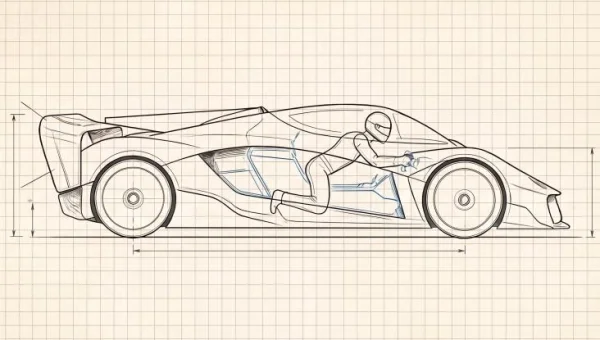
Sanrivatti One Breaks Driving Rules: 800 HP and a Face-Down Driving Position
Dutch startup Sanrivatti has unveiled its first supercar project, the Sanrivatti One, powered by a ten-cylinder engine producing around 800 horsepower. The car features a radical 'Apex Position' that places…
Europe Threatens Morocco's Automotive Crown: Why Renault and Stellantis Fear 'Made in Europe' Rules
Morocco's Industry Minister Ryad Mezzour warned that excluding his country from 'Made in Europe' rules constitutes a hostile act. The dispute revolves around how Brussels defines European products and the…

New Car Prices in the US Break Records as Average Tops $51,000 for the First Time
The average transaction price for a new vehicle in the US reached a record $51,109 in October 2026, up $649 from September and 2.1% year-over-year. Mid-size SUVs and full-size trucks…