Oil Tanker Fires in Hormuz Ignite Global Auto Industry Supply Chain Fears
Escalating tensions in the Strait of Hormuz and oil tanker fires threaten the global auto industry with supply chain disruption and higher production, shipping, and insurance costs. Feeder industries such as tires, glass, steel, and aluminum are among the first affected, alongside EV batteries and electronics. Potential rises in energy and transport costs could feed through to car prices and delivery schedules in end markets.
Global auto manufacturing faces fresh risk. Escalating tensions in the Strait of Hormuz and fires on several oil tankers yesterday have raised the specter of disrupted supply chains and higher shipping and insurance costs, threatening both the automotive sector and feeder industries worldwide. The crisis goes beyond oil.
Why the Strait of Hormuz Matters to Toyota and Volkswagen
The strait's strategic importance means any disruption to navigation translates directly into higher energy prices and maritime transport costs. Factories relying on fuel and gas for operations and manufacturing will feel the hit first, especially those producing the Toyota Corolla and Kia lineup running around the clock. The pressure is coming.
Feeder Industries in the Line of Fire
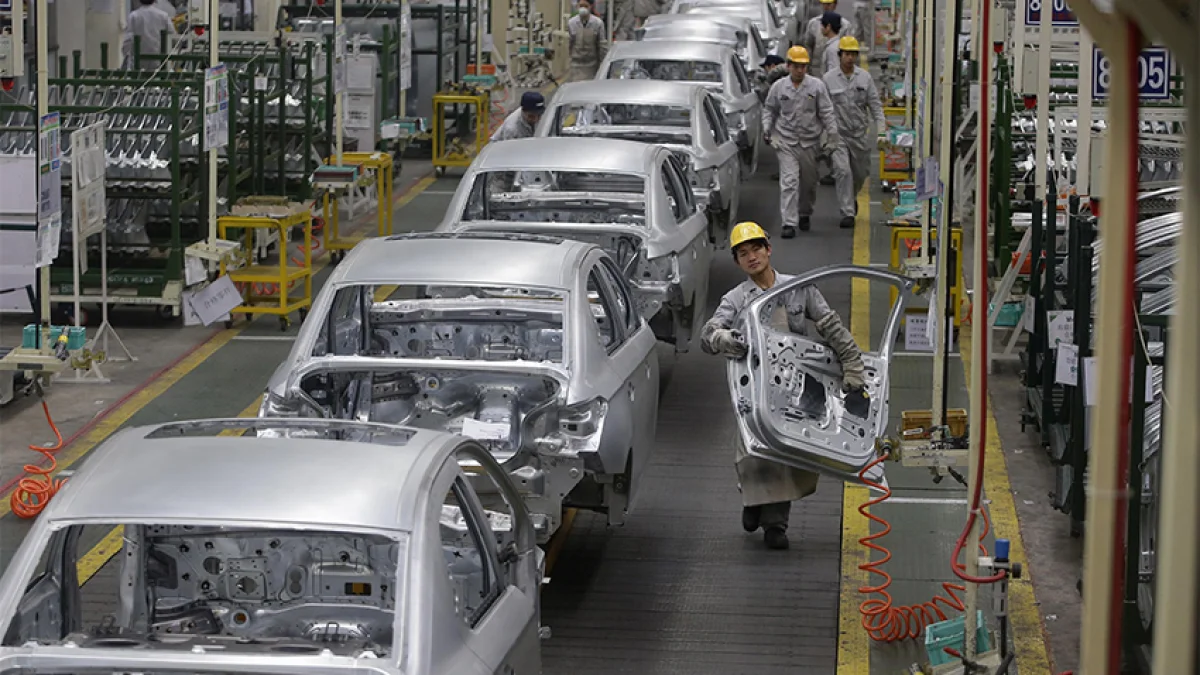
Tire, rubber, plastics, glass, paint. Chemical plants face added pressure because they depend on petroleum and gas derivatives. Rising energy costs at steel, aluminum. Copper plants will in turn push up the cost of vehicle bodies, engines, wiring, and electrical components. A full chain is shifting.
Electric vehicles aren't immune. Batteries from BYD and Nissan rely on complex supply chains for metals and chemicals, and any rise in ore processing, cell manufacturing, and transport costs will feed through to the final sticker price. Metals don't wait.
Electronics and Semiconductors: The Weakest Link
Disrupted flows of chemicals and industrial gases threaten electronics and semiconductor production, adding burdens to smart systems, control units. Screens in modern cars. The Egyptian market isn't far from these ripple effects, especially with Hyundai and Renault depending on imported components. The impact is coming.
Higher production, shipping, and insurance costs mean potential increases in both new and used car prices, plus delivery delays. Egyptian buyers watching Toyota and Hyundai prices may face a very different scenario in the coming months. The numbers will decide.
Frequently Asked Questions
3 questions answered
Related News
View All News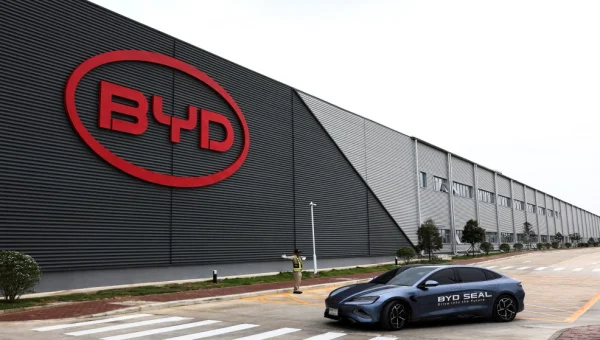
BYD Under Washington Pressure: Pentagon Listing Opens New Front in US-China Auto Rivalry
The US Department of Defense has added China's BYD to its list of companies classified as linked to the Chinese military, opening a new pressure front against the automaker's global…
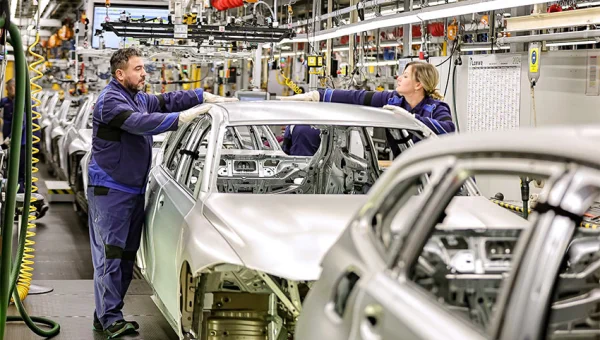
€49.5 Per Work Hour: Mercedes Threatens to Close German Plants
Germany's automotive industry faces a severe crisis as labor costs reach €49.5 per work hour. Mercedes seeks to raise weekly hours from 35 to 40 without wage increases to save…

BYD U9 Xtreme Sets Guinness Record at 503.17 km/h — The World's Fastest Production EV
BYD's U9 Xtreme recorded a top speed of 503.17 km/h on Abu Dhabi's Sheikh Khalifa bin Zayed International Road, entering the Guinness World Records as the fastest production electric vehicle.…

Egypt and India Explore Industrial Partnerships in Electric Vehicles, Aim to Boost Trade to $12 Billion
Egyptian Foreign Minister Badr Abdelatty met with Indian Commerce and Industry Minister Piyush Goyal to explore industrial partnerships in electric vehicles and feeder industries. The two sides reviewed Egypt's competitive…
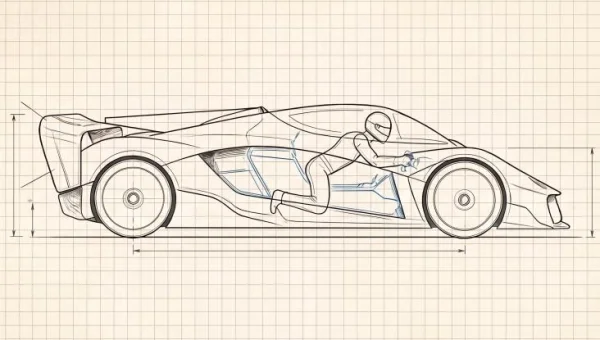
Sanrivatti One Breaks Driving Rules: 800 HP and a Face-Down Driving Position
Dutch startup Sanrivatti has unveiled its first supercar project, the Sanrivatti One, powered by a ten-cylinder engine producing around 800 horsepower. The car features a radical 'Apex Position' that places…