

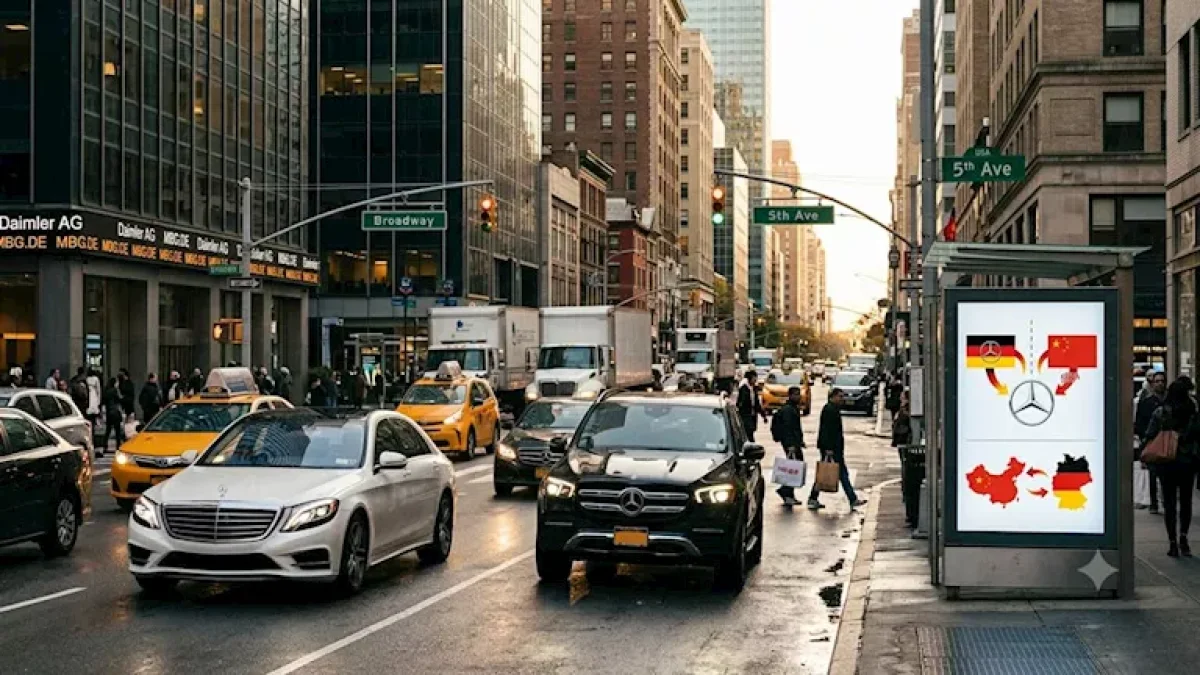
Mercedes Faces US Ban Threat Over Chinese Ownership — Congress Bill Targets Connected Cars
A serious threat is brewing for Mercedes-Benz. The German automaker could be banned from selling its vehicles in the United States if Congress passes a new bill targeting companies with significant Chinese ownership. British media reports have revealed the details of this developing story.
The Legislative Threat
The Connected Vehicle Security Act explicitly prohibits the sale of internet-connected cars from any company where Chinese ownership exceeds 15%. These connected vehicles — capable of collecting vast amounts of data — are the core concern. Washington argues that American user data could fall into foreign hands, posing a national security risk. The bill hasn't passed yet, but the debate is already heated.
Mercedes' Chinese Stake
The numbers are clear. Chinese ownership in Mercedes-Benz stands at around 20%, far exceeding the proposed legal limit. BAIC holds nearly 9.98% of the shares, while Li Shufu, chairman of China's Geely group, owns about 9.7%. Mercedes sits well above the threshold, and its position is precarious.
A Race to Persuade
Mercedes-Benz is moving fast. The company is now lobbying American lawmakers to raise the maximum allowed Chinese ownership from 15% to 25%. Its argument is simple and direct: Chinese shareholders don't manage the company's operations or control its technical or strategic decisions. Financial ownership, Mercedes insists, doesn't equal control.
Why Connected Cars Matter
The modern car is no longer just a means of transport. The US administration sees it as a potential spy machine on wheels. Connected vehicles can collect massive amounts of data — geographic location, driving patterns, user behavior. Washington views any connection to Chinese entities in this space as an unacceptable risk.
The bill isn't yet law. The Senate Commerce Committee approved it, but the road ahead is long. Final approval requires votes from both the Senate and the House of Representatives, followed by the US president's signature. Lawmakers have indicated the text could see amendments before final adoption. Transition periods or exemptions for certain companies remain possible.
Not Just Mercedes
Mercedes-Benz isn't alone in the crosshairs. Other European companies with Chinese investment ties could face the same fate. The coming months may reshape the automotive industry map in the world's largest market.
Related News
View All News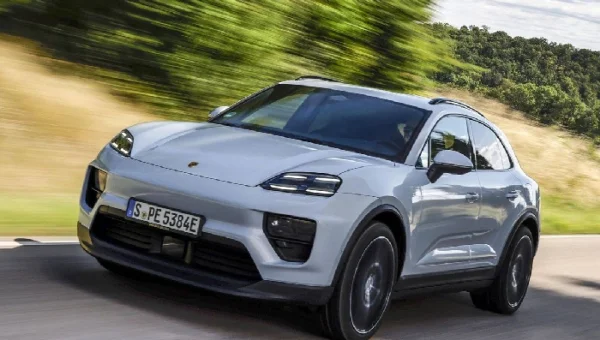
Porsche Brings Petrol Power Back to Macan Class with New SUV in 2028
Porsche is preparing to reintroduce petrol and hybrid engines to the compact SUV segment through a new standalone model planned for around 2028. The move follows the end of combustion…

Tarek Masoud: Africa Has a Historic Opportunity to Build a Global Auto Industry Hub
Tarek Masoud, President of the African Association of Automotive Manufacturers, called on governments and the private sector to accelerate concrete industrial projects rather than just policies. Speaking at the Africa…

General Motors Sales Drop 5.5% in Q3 as EV Demand Cools
General Motors announced a 5.5% drop in Q3 sales to 670,974 vehicles. Electric vehicle sales plummeted after federal incentives ended, with Equinox EV falling 92.4%. Meanwhile, Toyota's electrified vehicle sales…
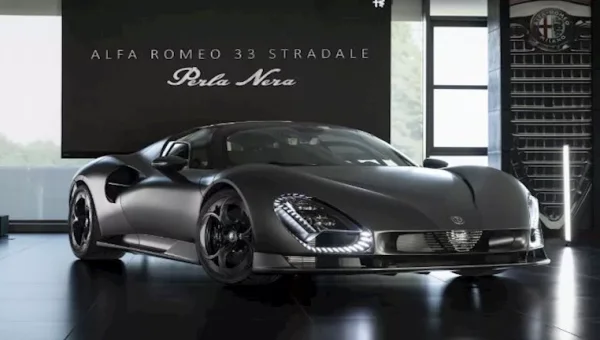
Alfa Romeo Unveils the Only 33 Stradale Perla Nera in the World at Arese Museum
Alfa Romeo has unveiled the only unit in the world of its 33 Stradale Perla Nera, featuring a fully exposed carbon fiber body with a matte finish. The car is…
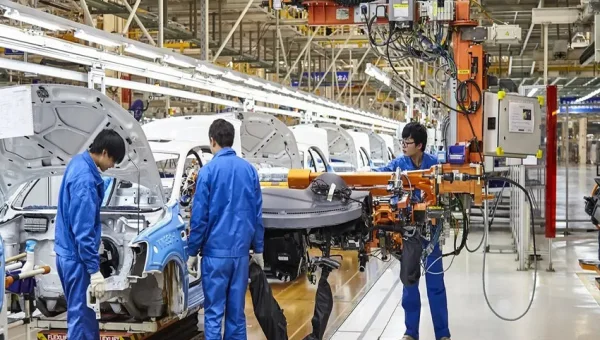
China Faces Crisis as 4 Million Unsold Cars Pile Up — Experts Warn of Golden Era's End
China's automotive industry is grappling with a mounting crisis as more than 4 million unsold vehicles pile up in the world's largest car market. Production stands at 33 million cars…

