

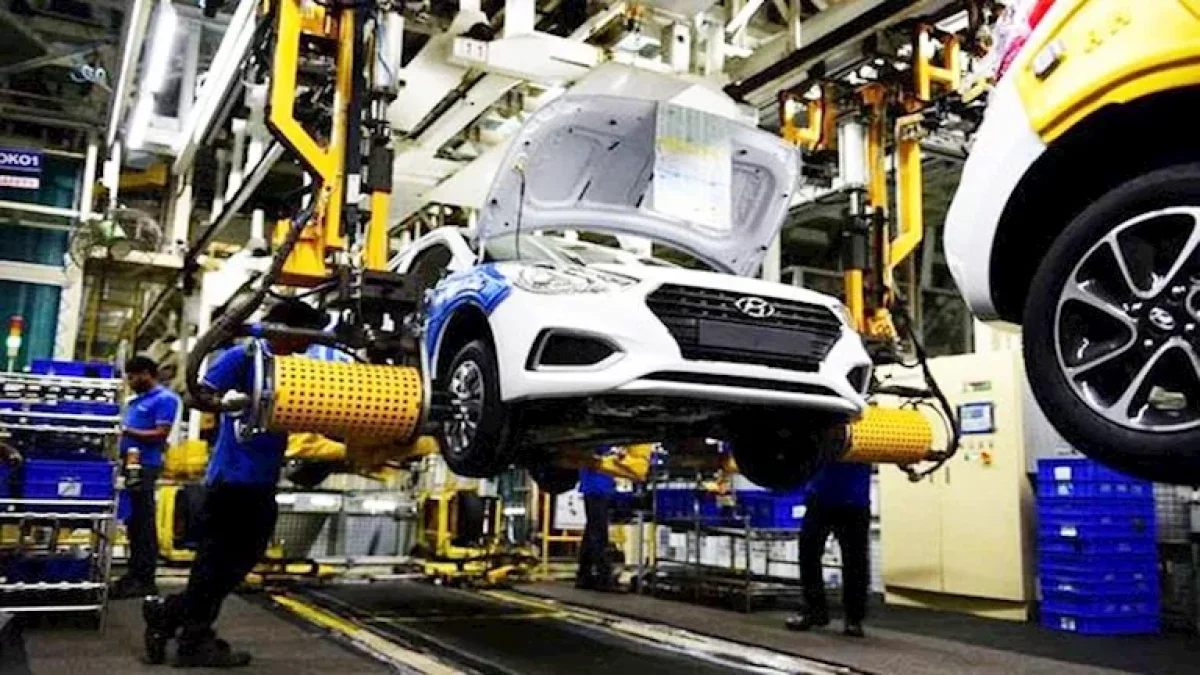
Hyundai Motor India Loses Nearly 24% of Profits Despite Revenue Growth
Hyundai Motor India's net profit fell 24% to 11.96 billion rupees in the quarter ended September 30. Raw material costs pushed total expenses to 193.02 billion rupees, while operating revenue grew to 206.96 billion rupees. The company faces second-half headwinds with analysts expecting slower sales growth.
Hyundai Motor India posted a net profit after tax of 11.96 billion rupees (around $125.65 million) for the second quarter ended September 30 — a 24% drop from the 15.72 billion rupees recorded in the same period last year. The number stings.
Cost Pressure Eats Into Hyundai Margins
Total expenses jumped 24% to 193.02 billion rupees, driven mainly by higher costs of raw materials consumed in production. Steel and copper prices surged in the Indian market amid fallout from the Middle East crisis this year. That hit profit margins head-on. Indian automakers have been battling these pressures for months.
Yet operating revenue moved the other way. Hyundai grew total revenue to 206.96 billion rupees versus 174.61 billion rupees in the year-ago period. Vehicle demand benefited from tax cuts approved last year, which supported sales and boosted buying sentiment. The company's stock rose 1.3% to 1,886.7 rupees by 3 pm local time on Wednesday.
Second-Half Headwinds Coming
What awaits automakers in India during the second half? Analysts expect year-on-year sales growth to slow, with companies struggling to match the rates posted in the same period last year. Tax cuts were the primary demand driver back then — a factor that won't repeat with the same force.
Pressure on Hyundai prices and those of rival brands won't stop at raw materials alone. Elevated production costs pose added challenges for companies trying to hold market share in one of Asia's largest auto markets. The short-term result will show up in profit margins more than sales volumes.
Investment in new cars within the Indian market remains a priority for Korean automakers betting on strong domestic demand to offset global cost pressures. Hyundai specifically faces a tough equation between keeping prices competitive and protecting its profits.
Frequently Asked Questions
3 questions answered
Related News
View All News
Yttrium Crisis Hits Global Supply Chains, Threatens Auto and Aviation Industries as Japan and US Face Rare Earth Test
The yttrium crisis is escalating after China's rare earth export restrictions, threatening Japan's stockpiles within months. Yttrium oxide prices have reached $1,150 per kilogram outside China versus just $9 inside…

BYD Ignites German Price War with 32% Discount, Challenging Volkswagen and Mercedes
BYD offered discounts of 27.5% and 31.8% on its plug-in hybrid models in Germany during August. The company captured 10.7% of the market in July, taking fourth place. Discounts exceeded…
Mercedes, BMW, Volkswagen, and Porsche Sales Collapse 40% in China
German automotive giants saw sales in China plunge between 30% and 40% during parts of this year, outpacing the overall market's 20% contraction. The development cycle gap — 18 months…

China Car Sales Set to Drop to 18.5 Million Units in 2026
Passenger car sales in China are projected to drop to 18.5 million units in 2026, down from 23.7 million in 2025. Forecasts point to a limited 2% recovery in 2027…

Hyundai Hydrogen Sales Surpass 50,000 Units in Korea
Hyundai Motor's cumulative hydrogen fuel cell vehicle sales in South Korea have exceeded 50,262 units as of the end of September. The Nexo SUV, launched in 2018, accounts for the…

