

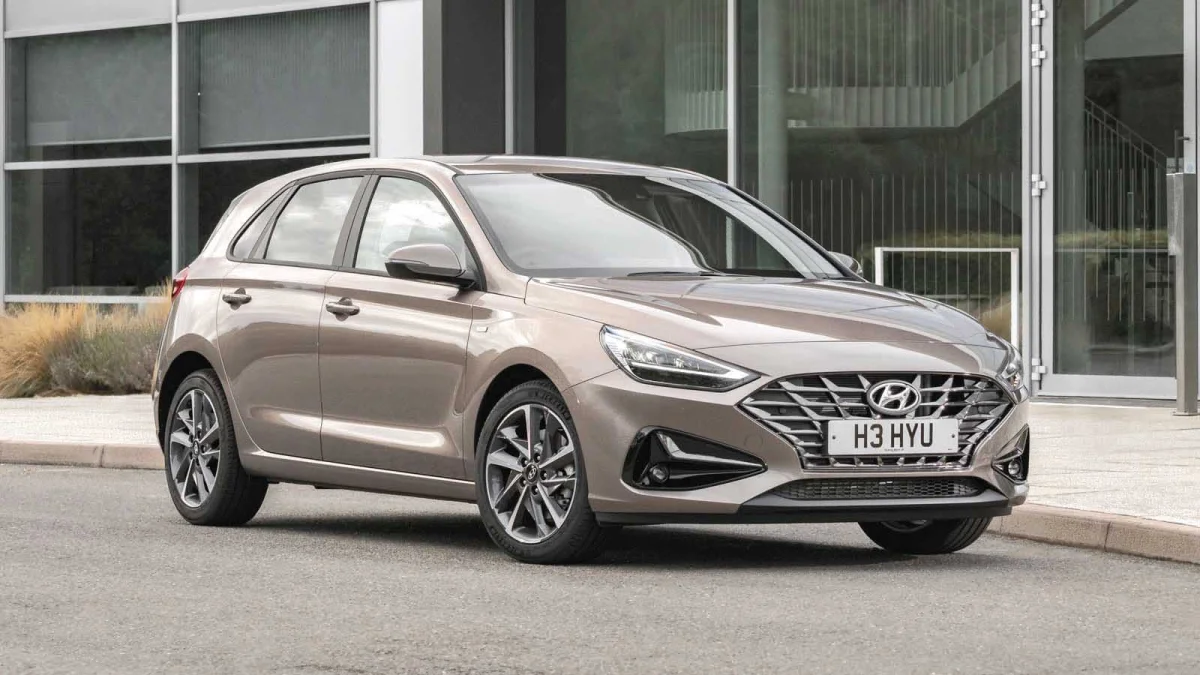
Hyundai Hydrogen Sales Surpass 50,000 Units in Korea
Hyundai Motor's cumulative hydrogen fuel cell vehicle sales in South Korea have exceeded 50,262 units as of the end of September. The Nexo SUV, launched in 2018, accounts for the majority, following the 2013 Tucson ix and the 2020 Xcient truck. The all-new Nexo offers up to 720 km of driving range on a single fill. The figures underscore Hyundai's long-term commitment to hydrogen despite limited global infrastructure.
Hyundai Motor has sold 50,262 hydrogen fuel cell electric vehicles in South Korea cumulatively through the end of September. The milestone was announced Monday, confirming the automaker's long-term bet on hydrogen technology. That's a big number for a niche segment.
The Nexo hydrogen SUV, launched in 2018, accounts for the bulk of those sales. Hyundai entered the hydrogen market back in 2013 with the Tucson ix, then added the Xcient truck in 2020 to widen its footprint in the commercial vehicle space. The strategy has been consistent: build the ecosystem first, then scale.
Nexo's 720 km Range Raises the Bar
Last year, Hyundai launched the all-new Nexo with an improved driving range of up to 720 kilometers on a single hydrogen fill. That figure puts the vehicle among the longest-range hydrogen models on the market today, addressing one of the biggest consumer concerns about fuel cell vehicles. Does 720 km change the game? Not on its own, but it narrows the gap with gasoline cars significantly.
Over roughly eleven years, those 50,262 units have rolled out of Korean dealerships. The number reflects Hyundai's steady commitment to hydrogen infrastructure in its home market, yet it also shows that fuel cell tech remains in a growth phase compared to battery electric vehicles. Korea is effectively Hyundai's largest real-world lab for this technology.
Beyond Korea: Global Hydrogen Ambitions
Outside its home turf, Hyundai is pushing fuel cell technology into Europe and the United States, where hydrogen refueling stations remain sparse. The company argues that hydrogen makes the most sense for heavy-duty and long-distance applications where batteries fall short. Its current lineup now spans family SUVs and light commercial trucks running on hydrogen.
In Egypt, there's no hydrogen refueling infrastructure yet. That keeps this technology out of reach for local buyers in the near term. Still, the global push toward lower emissions could eventually open the door, especially as the government expands its electric vehicle network. For now, Hyundai's Korean milestone stands as proof that hydrogen is more than a side experiment — it's a long game the automaker intends to win.
Frequently Asked Questions
3 questions answered
Related News
View All News
Yttrium Crisis Hits Global Supply Chains, Threatens Auto and Aviation Industries as Japan and US Face Rare Earth Test
The yttrium crisis is escalating after China's rare earth export restrictions, threatening Japan's stockpiles within months. Yttrium oxide prices have reached $1,150 per kilogram outside China versus just $9 inside…
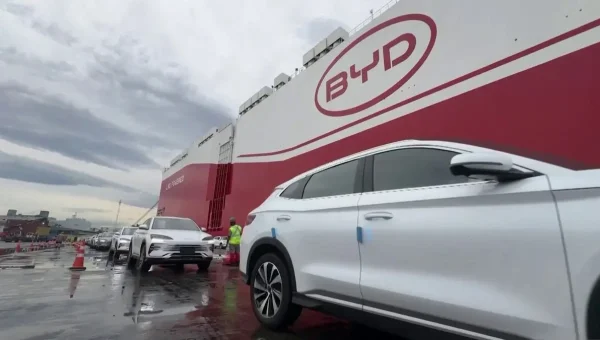
BYD Ignites German Price War with 32% Discount, Challenging Volkswagen and Mercedes
BYD offered discounts of 27.5% and 31.8% on its plug-in hybrid models in Germany during August. The company captured 10.7% of the market in July, taking fourth place. Discounts exceeded…
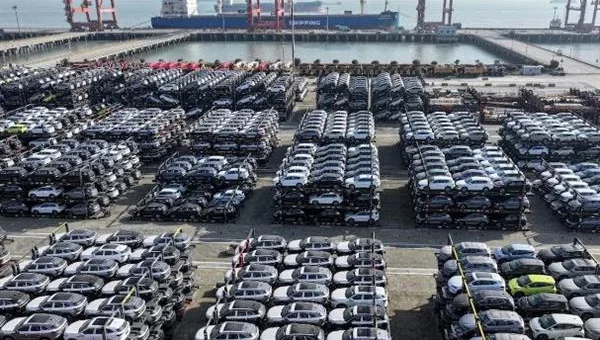
Mercedes, BMW, Volkswagen, and Porsche Sales Collapse 40% in China
German automotive giants saw sales in China plunge between 30% and 40% during parts of this year, outpacing the overall market's 20% contraction. The development cycle gap — 18 months…
China Car Sales Set to Drop to 18.5 Million Units in 2026
Passenger car sales in China are projected to drop to 18.5 million units in 2026, down from 23.7 million in 2025. Forecasts point to a limited 2% recovery in 2027…
German Auto Industry Staggers: Plant Closures and Layoffs as Chinese Competition Bites
Germany's automotive industry is under mounting pressure with plant closures and thousands of layoffs driven by high energy costs and fierce Chinese competition. The Russia-Ukraine war and reduced gas supplies…

