Hyundai to Supply Morocco with 15 Elec City Electric Buses by 2027
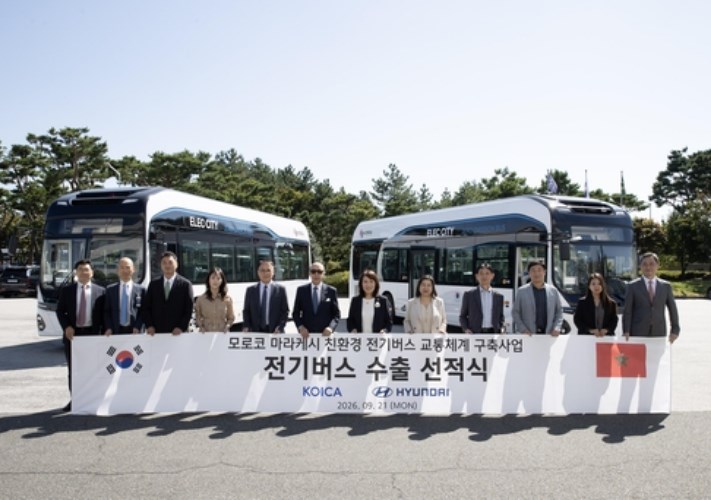
Hyundai Motor announced it will supply Marrakech with 15 Elec City electric buses in cooperation with the Korea International Cooperation Agency (KOICA). The deal includes fast chargers and technical training programs to boost operational capacity. The Elec City is the first domestically manufactured Korean electric bus to be exported to Morocco, with full fleet delivery planned for Q1 2027.
Fifteen electric buses. That's the number Hyundai Motor announced on Tuesday, confirming a deal with the Korea International Cooperation Agency (KOICA) to supply Marrakech with Elec City electric buses as part of a broader push toward clean urban mobility in Morocco. The initiative falls under an official development assistance project run by KOICA in cooperation with Moroccan authorities.
What Exactly Is Hyundai Delivering?
The buses aren't the whole story. KOICA will provide fast-charging stations and supporting operational equipment, alongside hands-on training programs and technical cooperation to strengthen the fleet's operation and maintenance capabilities. The stated goal is straightforward: support Morocco's efforts to cut greenhouse gas emissions and reach carbon neutrality. The project goes beyond handing over vehicles — it builds a full operating ecosystem inside Marrakech's main tourist zones.
First Domestically Built Korean Electric Buses to Reach Morocco
There's a technical milestone here worth noting. The Elec City buses are the first electric buses manufactured domestically in South Korea to be supplied to Morocco, positioning them as a showcase for Korean electric vehicle technology in African markets. Hyundai held a local delivery ceremony at its Jeonju plant in North Jeolla Province to mark the completion of the first two of the 15 buses destined for Morocco.
Timeline for Delivery
Once the remaining buses are produced and shipped, Hyundai plans to hold a formal handover ceremony for all 15 units in Morocco during the first quarter of 2027. Morocco's ambassador to South Korea, Chafik Rachadi, said at the ceremony that the project should contribute to the kingdom's carbon neutrality target, improve mobility for citizens, and mark a new starting point for cooperation between South Korea and Morocco in sustainable urban transport.
Why This Project Matters for the Electric Transport Market
Electric buses in major tourist cities aren't a side detail. Marrakech welcomes millions of visitors annually. Running an electric fleet through key tourist areas translates into measurable emission cuts and less strain on conventional fuel networks. For its part, Hyundai is strengthening its position in the electric bus segment outside Korea — a competitive space growing rapidly as cities worldwide shift toward sustainable transport solutions.
Frequently Asked Questions
3 questions answered
Related News
View All News
‘Made in Europe’ Rules Threaten UK Car Exports as Over 5,000 Amendments Delay Resolution
The UK automotive industry is facing a new crisis as ‘Made in Europe’ rules could exclude British products from preferential treatment within the EU. The situation is complicated by more…
Honda and Toyota Recall 1.6 Million Cars Over Takata Airbag Risk
Honda and Toyota are recalling approximately 1.6 million vehicles globally due to potentially defective Takata airbag inflators. The campaign covers 810,592 Honda and Acura vehicles in the US and about…
Europe's EV Registrations Jump 60% in October
Battery-electric vehicle registrations in Europe jumped more than 60% in October year-on-year, reaching 295,252 units and a 32.1% market share. Europe has logged 2.33 million EV registrations since the start…
Japanese Legend Car Prices Soar to Unprecedented Levels at Global Auctions
Prices for classic Japanese sports cars have soared to unprecedented levels at global auctions, driven by nostalgia and film fame. Hagerty values a pristine Acura NSX at around $250,000, while…
Oil Tanker Fires in Hormuz Ignite Global Auto Industry Supply Chain Fears
Escalating tensions in the Strait of Hormuz and oil tanker fires threaten the global auto industry with supply chain disruption and higher production, shipping, and insurance costs. Feeder industries such…