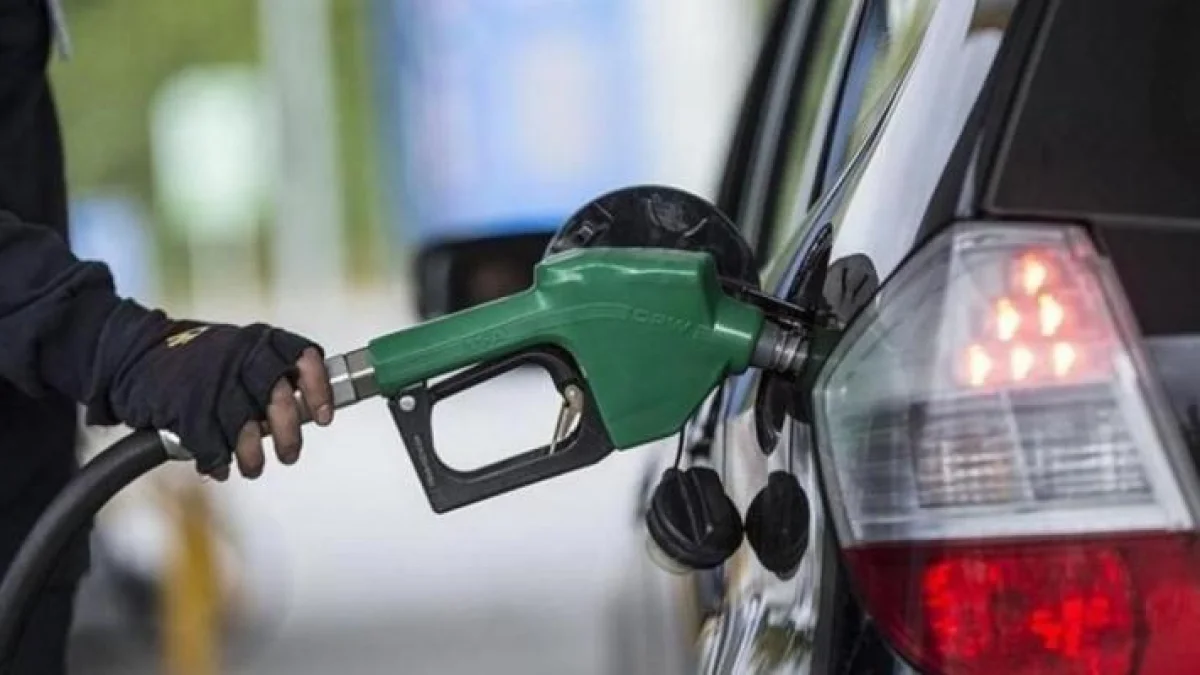
Fuel Prices in Germany Hit Records as Government Refuses Intervention
Fuel prices in Germany continue to break records throughout July, recording consecutive increases for eight straight days, intensifying pressure on drivers in Europe's largest economy. Despite this sharp surge, the German government has categorically announced it does not intend to introduce any new relief measures or subsidies for drivers at this time.
Government Rejects New Support Amid Rising Wave
German government spokesman Steffen Cornelius confirmed in official statements on Monday that all previous relief measures have ended and there are no plans to take any new actions. Cornelius attributed the current fuel price surge to geopolitical tensions, particularly the Iran war and its impact on navigation in the Strait of Hormuz, noting that these fluctuations will persist for some time and that citizens must learn to live with them, while the government continues to monitor the situation closely without intervention.
Latest Prices and Movements
According to data from the German Automobile Club, the average price per liter of "E10" gasoline across the country reached 2.152 euros on Sunday, while diesel averaged 2.177 euros per liter. Compared to prices just two weeks ago, E10 rose by 13.6 cents, and diesel jumped by 23.1 cents, reflecting the rapid pace of fuel price increases.
E10 is now just 4 cents below its highest level in recent years recorded around Easter, and about 5 cents away from its all-time record set in 2022. Diesel, however, remains far from its peak, with the average liter price across Germany reaching 2.447 euros on April 7.
Forecast of New Record Highs
The German Automobile Club suggests that the strong rise in oil prices since the beginning of the month is the main driver behind this escalating wave. The club warned that if this upward trend continues, E10 prices could soon surpass previous record levels, threatening to significantly increase transportation and mobility costs for millions of Germans.
Previous Fuel Discount and Exclusion of Return
The German government had previously applied a fuel price discount from the beginning of May until the end of June 2026, aiming to curb high prices. By the end of last month, this discount, along with a temporary easing of tensions in the Middle East, contributed to a temporary price drop, with diesel falling below 1.80 euros per liter. However, representatives from the government and the ruling coalition parties have already confirmed that there will be no reintroduction of the fuel discount, citing its high cost, which according to Finance Ministry estimates reached 1.7 billion euros.
Related News
View All News
BYD Launches Electric Truck Offensive Against Volvo and Mercedes in Europe
BYD has unveiled a heavy-duty electric truck with a range of 600 kilometers and 20% to 80% charging in 20 minutes, targeting Europe's truck market. Volvo and Mercedes-Benz together controlled…

LUXEED Prepares for Global Launch on October 21 in Wuhu, China
LUXEED is preparing to hold its global launch event on October 21 in Wuhu, Anhui Province, China, under the theme 'Intelligence, Enlightened.' The event will feature the world premiere of…

Avatr CONCEPT T09 with 1000+ HP Challenges Maybach and Rolls-Royce at Paris Show
Avatr unveils the CONCEPT T09 at the 2026 Paris Motor Show, a large luxury SUV with over 1000 horsepower and massive dimensions (5285 mm length). It features a hybrid powertrain…

Morocco Produces 700,000 Cars Annually, Surpassing Italy with $16 Billion in Export Revenue
Morocco has solidified its position as an African manufacturing power, producing 700,000 vehicles annually and generating over $16 billion in automotive export revenue, outpacing Italy. Industrial activity spans 150 zones…

Opel CEO: Adam Small Car Out of Plans Until 2030 Due to EU Regulations
Opel CEO Florian Huettl has confirmed the Adam small car is not in the company's product plans until 2030 due to stringent European regulatory requirements. Speaking at the 2026 Paris…